NFT

NFTs are unique digital identifiers recorded on a blockchain that certify ownership and authenticity of a specific asset. Moving past the "PFP" craze, 2026 NFTs emphasize utility, representing everything from IP rights and digital fashion to RWA titles and event ticketing. This tag explores the technical standards of digital ownership, the growth of NFT marketplaces, and the integration of non-fungible tech into the broader Creator Economy and enterprise solutions.

12891 Articles
Created: 2026/02/02 18:52
Updated: 2026/02/02 18:52
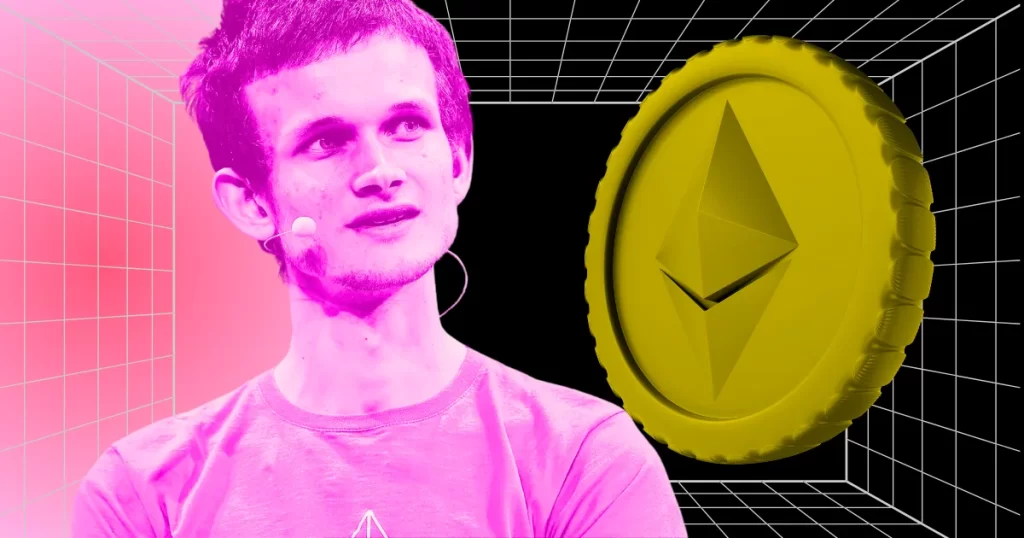
Vitalik Buterin Says Coinbase’s Base Is “Doing Things the Right Way” for L2s

Vitalik Buterin Says Coinbase’s Base Is “Doing Things the Right Way” for L2s

The post Vitalik Buterin Says Coinbase’s Base Is “Doing Things the Right Way” for L2s appeared first on Coinpedia Fintech News Ethereum co-founder Vitalik Buterin has entered the growing debate over Layer-2 scaling solutions, praising Coinbase’s Base network as a prime example of balancing user experience with Ethereum’s decentralized security guarantees. His remarks come as skepticism rises around whether Layer-2 networks can truly ensure user fund safety. Base as a Model Layer-2 Buterin described Base as …

Author: CoinPedia
Bitcoin Faces Bearish Pressure As Exchange Inflows Stay Elevated

Bitcoin Faces Bearish Pressure As Exchange Inflows Stay Elevated

The post Bitcoin Faces Bearish Pressure As Exchange Inflows Stay Elevated appeared on BitcoinEthereumNews.com. Ash is a dedicated crypto researcher and blockchain enthusiast with a passion for diving deep into the evolving world of decentralized technologies. With a background in writing and a natural curiosity for how digital assets are shaping the future, he has immersed himself in various sectors of the cryptocurrency space, including decentralized finance (DeFi), NFTs, and liquidity mining. His journey into crypto started with a desire to fully understand the technology behind it, leading him to explore and engage with these systems firsthand. Ash’s approach to DeFi goes beyond surface-level research as he actively participates in decentralized protocols, testing their functionality to gain a deeper understanding of how they operate. From experimenting with staking mechanisms to exploring liquidity mining strategies, he is hands-on in his exploration, which allows him to provide practical, real-world insights that go far beyond theoretical knowledge. This immersive experience has helped him develop a comprehensive grasp of smart contracts, token governance, and the broader implications of decentralized platforms on the future of finance. In the NFT space, Ash’s interest is driven by the technology’s potential to reshape ownership and creativity in the digital age. He has explored various NFT projects, gaining insights into how these digital assets function within different ecosystems. His focus is on understanding the evolving relationship between creators and communities, as well as the innovative uses of blockchain technology to establish authenticity and provenance in the digital world. Ash’s research in this area often touches on the intersection of culture, technology, and community-driven projects. A key area of his expertise lies in liquidity mining, where he has engaged with various decentralized platforms to understand how liquidity provision contributes to the functionality and security of DeFi ecosystems. Ash’s hands-on involvement has allowed him to analyze the risks, rewards, and broader implications of liquidity pools,…

Author: BitcoinEthereumNews
88% of airdropped tokens last no more than 3 months

88% of airdropped tokens last no more than 3 months

By Sara Gherghelas Compiled and compiled by: BitpushNews While the impact of airdrops on user growth and awareness has transformed the Web3 ecosystem, whether they can create lasting ecosystems or simply spark short-lived speculative activity remains a focus of attention. Airdrops have become one of the most powerful growth tools in Web3, capable of generating massive buzz and onboarding millions of users in just a few days. Over the past two years, projects in areas like decentralized finance (DeFi), non-fungible tokens (NFTs), and blockchain gaming have distributed billions of dollars worth of tokens to reward early adopters and attract new participants. However, the real question is: do these distributions create lasting ecosystems, or are they merely short-lived speculative ventures? While airdrops continue to drive impressive spikes in user growth and transaction volume, their long-term impact on retention, engagement, and token value is far less certain. This report analyzes the outcomes of high-value airdrops in DeFi, NFTs, and gaming, focusing on how they impacted user behavior, token performance, and on-chain activity. Key Takeaways Since 2017, projects have distributed over $20 billion in airdropped tokens, with $4.5 billion in 2023 alone, making airdrops one of Web3’s most powerful, yet most expensive, growth strategies. 88% of airdropped tokens lose value within three months, highlighting the gap between short-term hype and long-term sustainability. Airdrops reliably generate massive spikes in activity: Arbitrum saw 2.5 million daily transactions at launch, and Blur captured over 70% of NFT trading volume overnight. Retention remains a weak link: on average, activity falls back to around 20% to 40% of its pre-airdrop level within a few weeks, with most recipients cashing out. 1. What are airdrops? How do they shape Web3 growth? In the Web3 ecosystem, an airdrop refers to the distribution of free tokens to a group of wallets, typically to reward past activity or incentivize future participation. Unlike ICOs (initial coin offerings), which require users to purchase tokens, airdrops place tokens directly into users' hands. The underlying logic is simple: by giving away ownership, projects can guide their communities, decentralize governance, and create immediate liquidity for their tokens. Airdrops come in different forms: Retroactive Airdrops: Reward users who have interacted with the protocol in the past (e.g. Uniswap in 2020, Arbitrum in 2023). Incentive Airdrops: Encourage ongoing behavior such as trading, staking, or referrals (e.g. Blur’s points system). Community Airdrops: Reward NFT holders, developers, or social community members (such as BONK on Solana). Since 2017, airdrops have evolved from a quirky way to spread news into one of the most effective marketing strategies in Web3. Instead of paying for advertising, projects are distributing ownership. The thinking is: users who feel like stakeholders are more likely to try a product, spread the word, and remain loyal. Key milestones in airdrop history: 2017–2018, the first wave: This first emerged during the ICO era. Many projects used airdrops to cheaply expand Telegram groups and wallet addresses. The impact was mostly speculative, with few users continuing to participate after receiving the airdrops. In 2020, Uniswap set the gold standard with its $UNI airdrop. By distributing 400 UNI (valued at approximately $1,200 at the time, peaking at over $12,000) to every historical user, Uniswap turned early adopters into evangelists. It also established that retroactive airdrops are a fair way to reward "true believers." 2021–2022: The Airdrop Playbook Era: Airdrops became part of the playbook: dYdX, ENS, LooksRare, and others used them to attract traders, domain name service users, or NFT collectors. Some projects succeeded, while others were overwhelmed by "farmers." 2023–2025, the era of super airdrops: Arbitrum ($1.97 billion), Blur ($818 million), and Worldcoin (which continues to airdrop to over 10 million users) demonstrate how large-scale distribution can change the entire ecosystem overnight. While precise tracking is difficult, estimates suggest that: Since 2017, hundreds of airdrops have occurred across DeFi, NFTs, gaming, and infrastructure. The total value distributed via airdrops exceeds $20 billion, with $4.5 billion in 2023 alone (including Arbitrum, Blur, Celestia, etc.). Major airdrops typically target between 100,000 and 1 million addresses, while global campaigns like Worldcoin target tens of millions of users. Research shows that approximately 88% of airdropped tokens lose value within 3 months of launch, highlighting that airdrops, while successful as marketing campaigns, rarely ensure the long-term strength of a token. Why do airdrops work as a marketing tool? Low barrier to entry: Users receive free tokens → try the product. Word-of-mouth effect: Large airdrops make headlines (“free money”) and generate virality. Decentralization: Tokens spread ownership, empower users with governance, and (at least in theory) align them with the future of the project. Competitive pressure: Airdrops can quickly shift market share (e.g. Blur versus OpenSea). However, they also come with challenges: airdrop farming, immediate sell-offs, and retention struggles. However, as of 2025, airdrops remain one of the most effective, albeit imperfect, marketing weapons in the dapp industry. 2. DeFi and Layer-2 airdrops: Is it promoting user growth or feeding the "wool party"? The DeFi sector has long been at the heart of the airdrop phenomenon. From decentralized exchanges to Layer-2 scaling networks, protocols are using token distribution to reward early adopters, decentralize governance, and, most importantly, attract new users. In fact, many of the largest and most discussed airdrops in Web3 history have stemmed from DeFi and network scaling solutions. L2 Network Airdrop The most notable example is Arbitrum's airdrop in March 2023. By distributing 1.16 billion ARB tokens (approximately 11.6% of the total supply) to over 600,000 addresses, Arbitrum created the industry's largest airdrop at the time. At its peak, these tokens were valued at nearly $2 billion. The impact on the chain was immediate: on the day of the redemption, daily transaction volume soared to over 2.5 million, briefly surpassing Ethereum itself. Despite the inevitable cooling of the hype, Arbitrum has retained a higher baseline of activity than before the airdrop. Two months later, the network is still processing approximately one million daily transactions, and unique active wallets (UAWs) have increased by 531%. However, the retention story is more complicated. Our data shows that only approximately 5% of transactions during this period came from wallets that actually received ARB. Many recipients simply sold their tokens and left, while real usage was driven by new or existing DeFi users attracted to Arbitrum's growing ecosystem. Unsurprisingly, the ARB token itself followed a familiar pattern: after launching at around $1.30–$1.40, it fell by over 75% in two years. Optimism offers a helpful comparison. Rather than opting for a single, large-scale event, it has been conducting airdrops in phases since 2022. A second wave of airdrops in 2023 distributed 11 million OP tokens, targeting governance participants such as DAO voters and delegates. While this approach produced smaller spikes in activity than Arbitrum, it more purposefully aligned incentives and strengthened Optimism's governance structure. Our data confirms that Optimism also experienced a sharp jump in UAWs and trading volume during its claiming period, though activity faded more quickly. The OP token has lost 42% of its value since its launch three years ago. DeFi Airdrop DeFi protocols have followed a similar pattern to L2 networks. dYdX's early airdrops to active traders created a surge in trading volume, but once incentives were reduced, activity declined, and its token has since lost approximately 70% of its value. 1inch distributed multiple waves of tokens, driving short-term wallet growth, but governance participation remained low; the token fell 52% shortly after the airdrop and over 90% five years later. ENS's retroactive airdrop in late 2021 was smaller, but its token has performed better, losing only about 40% in four years, while cultivating a relatively loyal governance community among Ethereum nameholders. Across the industry, the data shows a consistent pattern. Airdrops drive immediate user growth, often doubling or tripling daily activity, accompanied by a surge in TVL as users move assets to qualify or claim tokens. However, within a few weeks, activity typically falls back to a baseline level that's only slightly higher than before. Token prices bear this out: most DeFi airdrop tokens lose 60% to 90% of their issuance value within a few months as investors exit their positions. Airdrops are unmatched for accelerating user acquisition, but long-term retention depends on product-market fit. Arbitrum has been able to maintain high usage levels because its network already offers strong DeFi utility and lower costs. Optimism, by designing its airdrops around governance, demonstrates how mechanisms can shape user behavior beyond speculation. However, for protocols lacking a compelling ecosystem or thoughtful design, airdrops are, at best, expensive marketing campaigns that enrich opportunistic takers while failing to ensure lasting adoption. 3. NFT Airdrops: Trading Liquidity vs. Community Loyalty If DeFi and Layer-2 networks use airdrops to expand infrastructure, the NFT space uses them as a weapon to fight for market share. Blur is a prime example of this, as the exchange disrupted OpenSea’s long-held dominance through one of the most aggressive airdrop strategies in Web3 history. Blur ran a “quarterly” rewards program for months before its February 2023 token launch, with traders accumulating points by listing NFTs, providing liquidity, and demonstrating platform loyalty. When the BLUR token finally launched, 51% of its total supply was allocated to the community, and at its peak, the airdrop was worth over $800 million. The results were immediate and dramatic. Blur captured over 70% of Ethereum’s NFT trading volume within days, forcing OpenSea to cut fees and reconsider creator royalties. Our data shows the speed of the liquidity transfer; despite serving fewer active wallets, Blur sometimes saw over five times the volume of OpenSea. However, the nature of this activity tells a cautionary tale. The majority of Blur's volume was driven by a small number of high-frequency traders scalping points for future rewards. Analysis at the time showed that a few hundred wallets accounted for the majority of transactions. While this created unprecedented liquidity, tight spreads, and faster execution for NFTs, it didn't necessarily translate into broader community participation. OpenSea continued to dominate in terms of independent active wallets, favoring casual collectors and creators. The BLUR token itself followed a familiar trajectory. It debuted at around $1.20 but quickly fell as recipients sold off, dropping below $0.10 by 2025. Even consistent quarterly rewards failed to prevent the gradual erosion of value. By the end of 2023, Blur's market share had also begun to decline, stabilizing in the 20% to 40% range after an initial surge. Other NFT airdrops tell a similar story. LooksRare and X2Y2 also engaged in a “vampire attack” model in 2022, distributing tokens to OpenSea traders. Both briefly saw significant trading volume, but much of it was wash trading. Activity quickly plummeted after the rewards dried up. Their tokens, once worth hundreds of millions of dollars, now trade at a fraction of their peak value. More recently, memecoin-style NFT airdrops like Memecoin ($MEME) briefly sparked collector enthusiasm but failed to sustain any lasting ecosystem. The key lesson from NFT airdrops is that while they are highly effective at moving liquidity, they face challenges in creating sticky communities. Traders follow rewards, but collectors and creators seek trust, usability, and cultural relevance—factors that tokens alone cannot achieve. As of 2025, the NFT trading landscape is more competitive than ever, fueled by these airdrops. OpenSea has adopted new professional trading tools, Blur continues to cater to professional traders, and other platforms are experimenting with new models. But the fundamental question remains: Can token incentives in NFT markets truly foster sustainable communities, or simply fuel a temporary liquidity war? 4. Game Airdrops: Limited Impact in a Play-to-Earn World While DeFi and NFT platforms have turned airdrops into multi-billion dollar marketing campaigns, the gaming sector has been more cautious. Blockchain games typically focus on in-game economies and NFTs rather than large-scale token giveaways. As a result, high-value gaming airdrops have been relatively rare over the past two years, and their impact has been more short-lived compared to DeFi or NFT trading markets. Most other blockchain gaming projects have completely avoided major retroactive airdrops. Instead, they rely on launchpads, NFT minting, or in-game earning rewards to distribute tokens. This strategy reflects the lessons of the 2021 Play-to-Earn wave, when the inflationary token economy collapsed under speculative pressure. By 2023–2025, developers appear wary of repeating the same mistake by distributing large amounts of tokens without a sustainable mechanism. Some exceptions occur at the infrastructure level. Immutable, Polygon, and Ronin have experimented with incentives and token rewards for game developers and players, but these structures have been ongoing bounty programs rather than one-time airdrops. Similarly, smaller game studios have distributed NFTs or modest token airdrops to closed beta users, rewarding early participation without disrupting their economies. For games, the real challenge is not onboarding users with tokens, but keeping them entertained long enough to form a lasting ecosystem. Conclusion While 88% of airdropped tokens lost value within months, each airdrop reinforces the same truth: in the Web3 world, attention is the most valuable currency. Previous large-scale token distributions have proven that the true value lies not in the token itself, but in the user behavior it can influence. The challenge facing projects today is no longer about attracting attention, but rather how to convert that traffic into sustainable ecosystems and communities.

Author: PANews
ApeCoin Trades $59M and FLOKI Moves $111M as BullZilla Turns $1k to $66k – The Top Meme Coins to Join This Month

ApeCoin Trades $59M and FLOKI Moves $111M as BullZilla Turns $1k to $66k – The Top Meme Coins to Join This Month

Crypto markets in late 2025 are alive with projects that balance hype, liquidity, and long-term potential. While Bitcoin and Ethereum dominate as cornerstones, meme coins continue to capture imagination and speculation. The most exciting developments this month come from Bull Zilla, ApeCoin, and FLOKI. Each represents a different narrative, engineered ROI, NFT ecosystem power, and community-driven […]

Author: Coinstats
Crucial Drop Signals Market Shift

Crucial Drop Signals Market Shift

The post Crucial Drop Signals Market Shift appeared on BitcoinEthereumNews.com. Are you keeping an eye on the cryptocurrency market? If so, you’ve probably heard about the buzz surrounding the Altcoin Season Index. This key indicator, which helps gauge the market’s sentiment towards altcoins versus Bitcoin, has recently experienced a notable drop. Understanding this movement is crucial for any investor looking to navigate the volatile world of digital assets. Decoding the Altcoin Season Index: What Does 64 Mean? The Altcoin Season Index, provided by CoinMarketCap, is a widely referenced metric that offers insights into market trends. It measures whether we are currently in an ‘altcoin season’ or a ‘Bitcoin season’. The index operates on a simple premise: An altcoin season is considered underway if 75% of the top 100 cryptocurrencies (excluding stablecoins and wrapped tokens) have outperformed Bitcoin over the last 90 days. A reading closer to 100 suggests a strong altcoin season, indicating that a broad range of altcoins are seeing significant gains relative to Bitcoin. Conversely, a lower reading, especially below 50, points towards a ‘Bitcoin season,’ where Bitcoin’s performance is generally superior. Recently, the Altcoin Season Index decreased to 64, a six-point drop from the previous day. While still above the ‘Bitcoin season’ threshold, this decline suggests a weakening momentum for altcoins compared to Bitcoin. It signals that fewer altcoins are currently outperforming Bitcoin, prompting investors to re-evaluate their strategies. Why This Altcoin Season Index Shift is Crucial for Investors A downward movement in the Altcoin Season Index carries significant implications for your investment portfolio. When the index drops, it often means that Bitcoin is beginning to reclaim market dominance or that the capital flowing into altcoins is slowing down. This shift can present both challenges and opportunities: Challenges for Altcoin Holders: If your portfolio is heavily weighted towards altcoins, you might see underperformance compared to Bitcoin. This…

Author: BitcoinEthereumNews
Uptick Network Equips Upward Wallet to Unlock Web3 with ERC-20 Token Creation

Uptick Network Equips Upward Wallet to Unlock Web3 with ERC-20 Token Creation

Uptick Network upgrades Upward Wallet with ERC-20 token creation and gifting tools in order to make Web3 simpler, engaging, and community-driven.

Author: Blockchainreporter
From Store Of Value To DeFi Powerhouse: Solana Unlocks Bitcoin’s True Utility — Here’s How

From Store Of Value To DeFi Powerhouse: Solana Unlocks Bitcoin’s True Utility — Here’s How

The post From Store Of Value To DeFi Powerhouse: Solana Unlocks Bitcoin’s True Utility — Here’s How appeared on BitcoinEthereumNews.com. Bitcoin has been celebrated as digital gold and a secure store of value with limited functionality, but Solana’s high-speed, low-cost blockchain is changing that narrative. By bridging BTC into SOL’s DeFi ecosystem, BTC gains instant settlement, programmable use cases, and access to lending, borrowing, and yield opportunities. The best form of Bitcoin is literally on Solana, citing the network’s ability to transform BTC from a static store of value into a dynamic, productive asset. Solana Sensei, the Founder of Sensei holdings and Namaste group, has highlighted on X that 66% of all wrapped Bitcoin (wBTC) traders are on the Solana network. He supports this claim with the reasons why people are choosing to hold and use their BTC on SOL. Why Solana’s Speed And Low Fees Change The Game Solana is extremely cheap in transactions, a stark contrast to the $5 to $50+ fees often seen on the Bitcoin or Ethereum networks for the same move. With transaction finality in approximately 400 milliseconds, BTC transfers on SOL become nearly instant, compared to the minutes or hours of waiting on other chains. SOL’s capacity to process 65,000 TPS allows it to handle BTC at an internet-scale without network congestion. Furthermore, Bitcoin becomes a programmable asset with deep integration into DeFi protocols like Jupiter, Raydium, Orca, Drift, and Kamino, enabling instant trading, lending, and use as collateral. Also, BTC becomes programmable in SOL DeFi, NFT, and RWAs, without the need for bridges across multiple chains. This integration transforms BTC into a dynamic, productive asset that can be used for lending, staking, and liquidity provision or structural products in ways that are not possible on the native BTC chain. BTC custody solutions, such as tBTC, sBTC, or the Wormhole BTC, combined with SOL’s high validator count and Jito MEV protection, are making it…

Author: BitcoinEthereumNews
Crucial Base Layer 2: Vitalik Buterin Hails Coinbase’s Network as Ethereum-Aligned

Crucial Base Layer 2: Vitalik Buterin Hails Coinbase’s Network as Ethereum-Aligned

BitcoinWorld Crucial Base Layer 2: Vitalik Buterin Hails Coinbase’s Network as Ethereum-Aligned In the fast-evolving world of cryptocurrency, few voices carry as much weight as Ethereum founder Vitalik Buterin. His recent endorsement of Coinbase’s Base Layer 2 network has sparked considerable interest, signaling a significant vote of confidence. Buterin views Base not just as another scaling solution, but as a Layer 2 built “in the right way,” perfectly aligning with Ethereum’s core philosophy. This perspective offers crucial insights into the future of decentralized applications and how they can achieve mainstream adoption while maintaining foundational security. Why is Base Layer 2 ‘Built the Right Way’? Vitalik Buterin’s praise for Base stems from its unique design philosophy. He highlighted that while Base incorporates centralized features to enhance user experience, its fundamental security architecture remains firmly rooted in Ethereum’s robust, decentralized base layer. This distinction is vital for understanding why Base stands out. Buterin emphasized that Base does not directly hold user funds. This non-custodial approach means that, unlike some centralized platforms, Base cannot unilaterally seize assets or block withdrawals. Such a design choice significantly bolsters trust and security, reassuring users that their digital assets remain under their control, even when interacting with a faster, more user-friendly Layer 2 solution. Balancing User Experience with Decentralized Security One of the persistent challenges in blockchain technology has been the trade-off between scalability, user experience, and decentralization. Many solutions often sacrifice one for the others. However, Buterin sees Base Layer 2 as a compelling example of finding a harmonious balance. Enhanced User Experience: Base leverages certain centralized aspects to deliver a smoother, faster, and more intuitive experience for users and developers. This can include faster transaction finality and lower fees, which are critical for mass adoption. Ethereum’s Security Backbone: Crucially, these centralized elements do not compromise the underlying security. Base’s security guarantees are inherited directly from Ethereum. This means that even if parts of Base were to face issues, the integrity of user funds and transactions is ultimately protected by Ethereum’s battle-tested blockchain. Non-Custodial Design: As Buterin pointed out, the inability of Base to seize funds or block withdrawals is a cornerstone of its “right way” design. This principle is fundamental to the ethos of decentralization, ensuring users retain sovereignty over their assets. Understanding Ethereum’s Layer 2 Philosophy Ethereum’s long-term vision for scalability heavily relies on Layer 2 solutions. These networks process transactions off the main Ethereum chain, bundling them together and then submitting a compressed proof or summary back to the mainnet. This approach dramatically increases transaction throughput and reduces costs without burdening the core blockchain. Buterin’s endorsement of Base Layer 2 reinforces the idea that L2s should complement, not compete with, Ethereum. They extend its capabilities, allowing it to handle a global scale of users and applications. Base’s commitment to relying on Ethereum for security and finality perfectly embodies this collaborative philosophy, making it a valuable addition to the ecosystem. The Crucial Role of Non-Custodial Design Why is the non-custodial nature of Base so significant? In the world of finance, custodianship implies control over assets. For a Layer 2 network, being non-custodial means that even if the L2 operator experiences technical difficulties or malicious intent, they cannot prevent users from accessing their funds on the underlying Ethereum network. This is a critical trust factor for any scaling solution. This design choice for Base Layer 2 provides a strong guarantee of user autonomy. It distinguishes it from centralized exchanges or platforms that do hold user funds, making it a more resilient and censorship-resistant option for decentralized applications and users alike. This commitment to user sovereignty is what makes Base a truly Ethereum-aligned scaling solution. What Does Base Layer 2 Mean for Ethereum’s Future? The success and design principles of Base have significant implications for the broader Ethereum ecosystem. As more users and developers flock to Layer 2 solutions, networks like Base demonstrate that it is possible to achieve high performance and user-friendliness without sacrificing the core tenets of decentralization and security that define Ethereum. This positive validation from Vitalik Buterin encourages other Layer 2 developers to adopt similar best practices. It fosters a healthier, more secure, and ultimately more scalable environment for decentralized finance (DeFi), NFTs, and other Web3 applications. The continued growth of robust Layer 2s like Base is essential for Ethereum to realize its full potential as the world’s leading programmable blockchain. In conclusion, Vitalik Buterin’s praise for Coinbase’s Base Layer 2 is a powerful affirmation of its design and alignment with Ethereum’s foundational principles. By prioritizing security through Ethereum’s base layer and adopting a non-custodial approach, Base offers a compelling model for future scaling solutions. It shows that we can achieve a superior user experience while upholding the core values of decentralization and user sovereignty, paving the way for a more accessible and robust Web3 future. Frequently Asked Questions (FAQs) 1. What is Base Layer 2? Base is an Ethereum Layer 2 network developed by Coinbase. It aims to provide a secure, low-cost, and developer-friendly environment for building decentralized applications, leveraging Ethereum’s security while offering enhanced scalability. 2. Why did Vitalik Buterin praise Base? Vitalik Buterin praised Base because its design aligns with Ethereum’s philosophy. He noted its reliance on Ethereum’s decentralized base layer for security and its non-custodial nature, meaning it cannot seize user funds or block withdrawals, despite offering a stronger user experience through some centralized features. 3. How does Base ensure user fund security? Base ensures user fund security by relying on Ethereum’s decentralized network. While Base handles transactions off-chain for speed, the ultimate security and finality of assets are guaranteed by Ethereum. Furthermore, its non-custodial design means Base itself does not hold user funds, preventing asset seizure. 4. What does ‘non-custodial’ mean for a Layer 2 network? For a Layer 2 network like Base, ‘non-custodial’ means that the network operator does not have direct control over users’ digital assets. Users retain full ownership and control of their funds, and the network cannot prevent them from withdrawing their assets back to the main Ethereum chain. 5. How does Base contribute to Ethereum’s scalability? Base contributes to Ethereum’s scalability by processing transactions off the main Ethereum blockchain, thereby reducing congestion and lowering transaction costs on the mainnet. It bundles these off-chain transactions and periodically settles them on Ethereum, allowing the overall ecosystem to handle a much higher volume of activity. Did you find this article insightful? Share your thoughts and help spread the word about the exciting developments in the Ethereum ecosystem! Share this article on your social media to inform your network. To learn more about the latest Ethereum trends, explore our article on key developments shaping Ethereum price action. This post Crucial Base Layer 2: Vitalik Buterin Hails Coinbase’s Network as Ethereum-Aligned first appeared on BitcoinWorld.

Author: Coinstats
Altcoin Season Index: Crucial Drop Signals Market Shift

Altcoin Season Index: Crucial Drop Signals Market Shift

BitcoinWorld Altcoin Season Index: Crucial Drop Signals Market Shift Are you keeping an eye on the cryptocurrency market? If so, you’ve probably heard about the buzz surrounding the Altcoin Season Index. This key indicator, which helps gauge the market’s sentiment towards altcoins versus Bitcoin, has recently experienced a notable drop. Understanding this movement is crucial for any investor looking to navigate the volatile world of digital assets. Decoding the Altcoin Season Index: What Does 64 Mean? The Altcoin Season Index, provided by CoinMarketCap, is a widely referenced metric that offers insights into market trends. It measures whether we are currently in an ‘altcoin season’ or a ‘Bitcoin season’. The index operates on a simple premise: An altcoin season is considered underway if 75% of the top 100 cryptocurrencies (excluding stablecoins and wrapped tokens) have outperformed Bitcoin over the last 90 days. A reading closer to 100 suggests a strong altcoin season, indicating that a broad range of altcoins are seeing significant gains relative to Bitcoin. Conversely, a lower reading, especially below 50, points towards a ‘Bitcoin season,’ where Bitcoin’s performance is generally superior. Recently, the Altcoin Season Index decreased to 64, a six-point drop from the previous day. While still above the ‘Bitcoin season’ threshold, this decline suggests a weakening momentum for altcoins compared to Bitcoin. It signals that fewer altcoins are currently outperforming Bitcoin, prompting investors to re-evaluate their strategies. Why This Altcoin Season Index Shift is Crucial for Investors A downward movement in the Altcoin Season Index carries significant implications for your investment portfolio. When the index drops, it often means that Bitcoin is beginning to reclaim market dominance or that the capital flowing into altcoins is slowing down. This shift can present both challenges and opportunities: Challenges for Altcoin Holders: If your portfolio is heavily weighted towards altcoins, you might see underperformance compared to Bitcoin. This could lead to a re-evaluation of your holdings. Opportunities for Bitcoin Holders: A stronger Bitcoin season often translates to significant gains for BTC, potentially solidifying its position as the market leader. Market Rebalancing: Investors might consider rebalancing their portfolios, perhaps by taking profits from altcoins that have performed well or by increasing their Bitcoin exposure. Understanding these shifts is key to making informed decisions. Historically, periods of a declining Altcoin Season Index have often preceded periods of Bitcoin outperformance, acting as a crucial indicator for savvy traders. Navigating the Market: Strategies During an Altcoin Season Index Decline Given the recent drop in the Altcoin Season Index, how should investors approach the market? It’s important not to panic, but rather to assess the situation strategically. Here are some actionable insights: Review Your Portfolio: Take a look at your current asset allocation. Are you comfortable with your altcoin exposure given the current trend? Research Strong Projects: Even during a ‘Bitcoin season,’ certain altcoins with strong fundamentals, innovative technology, or significant partnerships can still perform well. Deep research is always beneficial. Consider Bitcoin Exposure: If the trend continues, increasing your Bitcoin holdings could be a prudent move to capitalize on its potential strength. Practice Risk Management: Set stop-loss orders or take partial profits to protect your capital. Market conditions can change rapidly. Stay Informed: Keep an eye on other market indicators, news, and expert analyses to get a comprehensive view of the market. The market is dynamic, and the Altcoin Season Index is just one piece of the puzzle. Combining this information with other analysis tools can help you build a more resilient investment strategy. The Road Ahead: What Influences the Altcoin Season Index? The movement of the Altcoin Season Index is not isolated; it is influenced by a multitude of factors within the broader crypto ecosystem and global economy. Key elements that can sway the index include: Bitcoin’s Performance: As the dominant cryptocurrency, Bitcoin’s price action often dictates the overall market sentiment. Strong Bitcoin rallies can pull capital away from altcoins. Macroeconomic Trends: Global economic conditions, inflation rates, interest rate decisions, and geopolitical events can all impact investor appetite for riskier assets like altcoins. New Narratives and Innovations: Breakthroughs in specific sectors like DeFi, NFTs, or GameFi can temporarily ignite altcoin interest, but broader market trends often prevail. Institutional Adoption: Increased institutional investment often targets Bitcoin first, potentially strengthening its dominance. While the recent drop suggests a shift, the crypto market is known for its rapid reversals. The Altcoin Season Index could recover if new catalysts emerge to fuel altcoin growth. However, for now, the signal points towards a period where Bitcoin might take the lead. The recent drop in the Altcoin Season Index to 64 is a significant development that demands attention from cryptocurrency investors. It signals a potential shift in market dynamics, moving away from broad altcoin outperformance towards a stronger Bitcoin presence. While this doesn’t mean the end for altcoins, it does highlight the importance of adaptability and informed decision-making. By understanding what the index signifies and adjusting your strategy accordingly, you can better navigate the evolving crypto landscape and position your portfolio for success. Frequently Asked Questions (FAQs) Q1: What exactly is the Altcoin Season Index? A1: The Altcoin Season Index is a metric that indicates whether a majority of altcoins are outperforming Bitcoin over a 90-day period. A reading above 75 suggests an ‘altcoin season,’ while a lower reading implies a ‘Bitcoin season.’ Q2: What does a reading of 64 signify for the Altcoin Season Index? A2: A reading of 64, especially after a drop, indicates that fewer than 75% of the top altcoins are outperforming Bitcoin. While not yet a full ‘Bitcoin season,’ it suggests weakening altcoin momentum relative to Bitcoin. Q3: Should I sell all my altcoins if the Altcoin Season Index drops? A3: Not necessarily. A drop in the Altcoin Season Index is a market indicator, not a definitive sell signal. It encourages investors to review their portfolios, research strong projects, and consider risk management strategies rather than making hasty decisions. Q4: How often does the Altcoin Season Index change? A4: The Altcoin Season Index is updated daily, reflecting the continuous performance comparison between altcoins and Bitcoin over the rolling 90-day period. Q5: What is considered a ‘Bitcoin season’? A5: A ‘Bitcoin season’ typically occurs when Bitcoin significantly outperforms most altcoins. While there isn’t a universally agreed-upon index number, a reading well below 50 on the Altcoin Season Index often points to such a period. Q6: Are there any benefits to a Bitcoin season for altcoin investors? A6: Yes, a Bitcoin season can present opportunities. It might allow investors to accumulate Bitcoin, which could then fuel a subsequent altcoin rally. It also allows for a re-evaluation of altcoin holdings, focusing on projects with stronger long-term potential. Did you find this analysis helpful? Share this article with your fellow crypto enthusiasts on social media to help them understand the implications of the Altcoin Season Index drop! To learn more about the latest crypto market trends, explore our article on key developments shaping Bitcoin price action. This post Altcoin Season Index: Crucial Drop Signals Market Shift first appeared on BitcoinWorld.

Author: Coinstats
Crypto Market Heats Up: Analysts Tip One Hidden Coin to Outperform Ethereum With 800% Gains

Crypto Market Heats Up: Analysts Tip One Hidden Coin to Outperform Ethereum With 800% Gains

The post Crypto Market Heats Up: Analysts Tip One Hidden Coin to Outperform Ethereum With 800% Gains appeared on BitcoinEthereumNews.com. A crucial phase for the crypto market as institutional money and retail players exhibit strengthening momentum. Ethereum is still dominating discussions, especially with its importance to DeFi and NFTs, but analysts are starting to suggest the most explosive gains in 2025 are likely not from ETH.  One ‘hidden coin’ getting a lot of attention for its security, scarcity and cultural relevance is MAGACOIN FINANCE.  According to top predictions, this altcoin is set for 800% gains in the near future. Ethereum’s Market Context Ethereum has long been regarded as the standard for smart contract platforms. Thousands of decentralized applications run on it, with billions of dollars’ worth of total value locked, and it is the platform of choice for developers building on Web3. The sector’s undisputed leader, but faced with scaling hurdles, regulatory questions, and Layer-2 competition, growth rates are slowing down the ecosystem. As Ethereum is part of almost every crypto portfolio, it is normally not capable of achieving 10x or higher returns, given its market cap size. Investors looking for exponential growth are now focusing on low-cap tokens as they can grow faster from a low base. Here’s where MAGACOIN FINANCE comes into play as a favorite amongst analysts. Analyst Make Case for Fast Rising Altcoin MAGACOIN FINANCE has quickly established itself as a hidden gem by granting the kind of fundamentals the investors now require after years of speculative projects.  Its unique ecosystem and double audited smart contracts means investors can trust that the token is genuine and has long-term viability.  Furthermore MAGACOIN FINANCE is unique in its ownership structure. MAGACOIN FINANCE is not controlled by a VC, unlike other projects that are VC-dominated.  This puts the community at the heart of the development process, leading to a more organic growth path.  According to analysts, the model reflects…

Author: BitcoinEthereumNews