DePIN

DePIN utilizes blockchain and token incentives to build and maintain physical infrastructure, such as wireless networks, cloud storage, and energy grids.By decentralizing the ownership of hardware, projects like Helium and Hivemapper disrupt traditional centralized monopolies.In 2026, DePIN is a core pillar of the Web3 + AI economy, providing the decentralized compute and data collection necessary for autonomous agents. This tag tracks the growth of hardware-based rewards, crowdsourced infrastructure, and the democratization of global utility networks.

1500 Articles
Created: 2026/02/02 18:52
Updated: 2026/02/02 18:52
5 Best Performing Cryptos to Keep an Eye on This September

5 Best Performing Cryptos to Keep an Eye on This September

September is the busiest month in the crypto space, and a new project gets a lot of attention. The BlackBerry-themed artificial intelligence-based living smart technology project called Ozak AI, which is powered by AI, features a Decentralized Physical Infrastructure Network (DePIN) and is currently in a high-performing presale. It has reached stage four, and its [...] The post 5 Best Performing Cryptos to Keep an Eye on This September appeared first on Blockonomi.

Author: Blockonomi
Stage 5 Investors Still Early: Buying Ozak AI at $0.01 Before It Jumps to $0.012 Could Be the Smartest 2025 Move

Stage 5 Investors Still Early: Buying Ozak AI at $0.01 Before It Jumps to $0.012 Could Be the Smartest 2025 Move

Ozak AI ($OZ) is gaining significant attention in the crypto sector with its innovative AI and DePIN (Decentralized Physical Infrastructure Networks) solutions. Currently, the presale hovers in Stage 5, with a unique opportunity for early investors. This will provide high returns, and this is a critical time for the prospective investor. Presale Details and Investment [...] The post Stage 5 Investors Still Early: Buying Ozak AI at $0.01 Before It Jumps to $0.012 Could Be the Smartest 2025 Move appeared first on Blockonomi.

Author: Blockonomi
U.S. Senate Draft Bill Moves to Exempt Staking, Airdrops, and DePIN From SEC Rules

U.S. Senate Draft Bill Moves to Exempt Staking, Airdrops, and DePIN From SEC Rules

The post U.S. Senate Draft Bill Moves to Exempt Staking, Airdrops, and DePIN From SEC Rules appeared on BitcoinEthereumNews.com. Regulations The U.S. Senate Banking Committee is circulating an updated draft of its long-awaited market structure bill, introducing major changes to how digital assets are treated under securities law. The revisions, highlighted by journalist Eleanor Terrett, are being viewed as a meaningful step toward clarifying the legal status of crypto activity in the United States. One of the most notable updates comes in Section 101, which specifies that staking, airdrops, and pre-legal tokens will not be classified as securities, unless fraud is involved. Industry advocates say this language could provide long-sought clarity for participants who feared that normal crypto activities could be swept into securities regulation. Exemptions for DePIN Projects The bill also singles out decentralized physical infrastructure networks (DePIN) in Section 504, granting them explicit exemption from securities law. DePIN initiatives, which incentivize participants to build out real-world infrastructure like wireless networks and cloud storage, have grown rapidly and often struggled with regulatory uncertainty. In a nod to decentralization, Sections 501, 505, and 506 preserve protections for DeFi developers, self-custody of digital assets, and open-source innovation. Lawmakers appear keen to ensure that regulation does not suffocate the core features that distinguish blockchain ecosystems from traditional financial intermediaries. SEC-CFTC Coordination Finally, the bill creates a formal coordination framework between the SEC and the CFTC in Sections 701 and 702, a measure designed to reduce the jurisdictional clashes that have plagued crypto regulation in recent years. If passed in its current form, the legislation could significantly reshape how crypto projects operate in the U.S., removing some of the most controversial areas from the reach of securities enforcement while still leaving room for fraud cases. Analysts say the carve-outs for staking and DePIN are especially noteworthy, as they address areas where regulatory clarity has been most urgently demanded. The information provided in…

Author: BitcoinEthereumNews
Senator Cynthia Lummis Pushes New Crypto Bill to Clarify SEC and CFTC Roles

Senator Cynthia Lummis Pushes New Crypto Bill to Clarify SEC and CFTC Roles

The post Senator Cynthia Lummis Pushes New Crypto Bill to Clarify SEC and CFTC Roles appeared first on Coinpedia Fintech News U.S. Senators introduced an updated draft of the market structure bill on Friday, aiming to bring more clarity to digital assets and cryptocurrencies. One of the most notable changes is that stocks and securities will not be treated as commodities if they are tokenized. The bill also excludes certain crypto activities, such as DePIN, staking, …

Author: CoinPedia
Senate Committee Revises Crypto Bill with Development Protections

Senate Committee Revises Crypto Bill with Development Protections

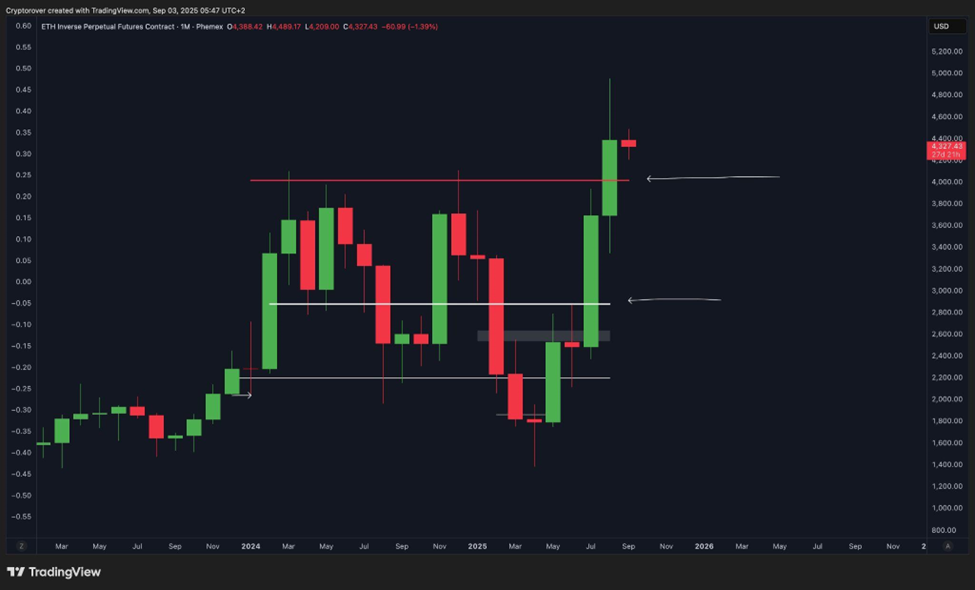
The post Senate Committee Revises Crypto Bill with Development Protections appeared on BitcoinEthereumNews.com. Key Points: Senate Banking Committee revises crypto bill with development protections. Excludes airdrops and DePIN from securities laws. ETH and decentralized networks benefit from new regulatory clarity. The U.S. Senate Banking Committee has revealed a revised crypto market structure bill, reported by Eleanor Terrett, reflecting input from stakeholders and lobbyists, enhancing regulatory clarity on digital assets. The drafted bill offers extensive legal protections, including SEC-CFTC collaboration, potentially influencing institutional involvement and market dynamics, with a focus on safeguarding developers and certain digital assets. Senate Bill Boosts Developer Protection and Clarity The new draft, spearheaded by Senators, such as Tim Scott and Cynthia Lummis, highlights developer protection and clearer regulatory frameworks. By excluding ancillary assets from securities and improving clarity, the bill reflects extensive stakeholder input and collaboration with lobbying groups. Key adjustments include excluding staking, airdrops, and decentralized physical infrastructures from securities laws. This is achieved while retaining self-custody protections and introducing robust exemptions. The SEC and CFTC are mandated to form a joint advisory committee, further streamlining digital asset governance. The crypto community has reacted positively, with noted advocacy voices highlighting the improved legal landscape for developers. Amanda Tuminelli, from the DeFi Education Fund, praised this draft for unmatched developer protections. This change aligns with broader institutional acceptance, boosting optimism for continued development within compliant bounds. “The new market structure draft from Senate Banking has the best developer protections language we have seen to date. Still digging into the rest of the bill, but this is worth celebrating immediately.” Ethereum Gains Amid Regulatory Advances Did you know? The Senate’s bill on digital assets is the most comprehensive protection measure passed since the CLARITY Act, aiming to reconcile innovation with regulatory needs in the U.S. market. According to CoinMarketCap, Ethereum (ETH) is currently valued at $4,318.14, with a market capitalization…

Author: BitcoinEthereumNews
Senate Banking Committee draft bill would exclude staking, airdrops, and DePIN networks from securities laws

Senate Banking Committee draft bill would exclude staking, airdrops, and DePIN networks from securities laws

PANews reported on September 6 that crypto journalist Eleanor Terrett tweeted that the U.S. Senate Banking Committee’s latest draft of the market structure bill has incorporated feedback from stakeholders and lobbying groups. The following are some highlights of the draft: 1. Ancillary Assets (Section 101): This provision is intended to provide clearer legal interpretation, exclude “ancillary assets” from the scope of securities, stipulate that pledges and airdrops are not securities, and provide that SEC enforcement actions and private lawsuits cannot target existing tokens issued before the date of enactment of the bill, provided that these tokens do not constitute fraud. 2. DePIN (Section 504): Adds a new exemption to exempt decentralized physical infrastructure networks from securities laws. 3. Protecting software developers: The new draft retains the self-custody protection clause (Section 506), the DeFi exemption clause (Section 501), and the blockchain regulatory certainty bill (Section 505). 4. SEC-CFTC Coordination: The SEC and CFTC have established processes to jointly form a joint advisory committee to make decisions in the digital asset area (Section 701) and resolve any disputes (Section 702).

Author: PANews
Crucial US Crypto Bill Draft Offers Clarity: Staking & Airdrops Excluded from Securities

Crucial US Crypto Bill Draft Offers Clarity: Staking & Airdrops Excluded from Securities

BitcoinWorld Crucial US Crypto Bill Draft Offers Clarity: Staking & Airdrops Excluded from Securities Exciting news is brewing in the world of digital assets! A revised draft of a pivotal US crypto bill, known as the Digital Asset Market Structure Act (CLARITY), has recently emerged from the U.S. Senate Banking Committee. This development, highlighted by Crypto in America host Eleanor Terrett, signals a significant step towards clearer regulatory waters for the burgeoning cryptocurrency industry. Many in the crypto community are keenly watching these legislative movements, hoping for a framework that fosters innovation while ensuring consumer protection. What Does This Crucial US Crypto Bill Draft Propose? The latest iteration of the CLARITY bill introduces several groundbreaking provisions that could reshape how digital assets are classified and regulated in the United States. Perhaps the most anticipated aspect is its explicit stance on certain crypto activities. Here are the key takeaways from the new draft: Exclusion of Staking from Securities: Crucially, the draft bill proposes that staking, a popular method for earning rewards by holding cryptocurrencies, would not be categorized as a security. This provides much-needed relief and clarity for participants and developers in proof-of-stake networks. Airdrops Are Not Securities: Similarly, the distribution of free tokens, known as airdrops, would also be exempt from securities definitions. This clarification is vital for many decentralized projects that use airdrops for community building and initial distribution. DePIN Exemptions: Decentralized Physical Infrastructure Networks (DePIN), which leverage blockchain to build and operate real-world infrastructure (like decentralized wireless networks or energy grids), would also be exempt from traditional securities laws. This could unlock immense potential for innovation in these hybrid digital-physical sectors. These exclusions are monumental, offering a pathway for crypto projects to operate with greater certainty, potentially reducing the regulatory burden that has often stifled growth. Why is This US Crypto Bill So Significant for the Industry? The implications of this draft US crypto bill extend far beyond just definitions. For years, the lack of a clear regulatory framework in the U.S. has been a major point of contention. Companies and developers have often operated in a gray area, leading to uncertainty and, at times, enforcement actions from regulatory bodies like the Securities and Exchange Commission (SEC). This proposed legislation aims to bring much-needed clarity, offering several benefits: Fostering Innovation: By clarifying that certain core activities like staking and airdrops are not securities, the bill encourages further development and participation in the decentralized finance (DeFi) and broader crypto ecosystems. Reducing Regulatory Arbitrage: A clear framework could help prevent companies from seeking friendlier jurisdictions overseas, potentially bringing more innovation and investment back to the U.S. Investor Confidence: While the bill focuses on definitions, a clear regulatory environment can indirectly boost investor confidence by reducing the perceived risks associated with the industry. Moreover, the draft outlines a procedure for the SEC and the Commodity Futures Trading Commission (CFTC) to form a joint advisory committee. This committee would be tasked with making decisions on crypto-related issues and resolving inter-agency disputes, a crucial step towards cohesive federal oversight. What Protections Does This US Crypto Bill Retain? It’s important to note that this revised draft doesn’t start from scratch. It thoughtfully retains several key provisions from previous versions, ensuring a continuity of protective measures for users and the decentralized nature of crypto. These include: Protections for Self-Custody: The bill continues to safeguard the right of individuals to hold their digital assets directly, outside of third-party custodians. This is a fundamental principle for many in the crypto community, emphasizing individual sovereignty over digital wealth. Exemptions for Decentralized Finance (DeFi): The framework also retains exemptions for certain decentralized finance protocols, recognizing their unique structure and operational model. This is critical for the continued growth and innovation within the DeFi space, which relies on automated, permissionless systems. This balanced approach suggests a thoughtful consideration of the industry’s nuances, aiming to regulate without stifling its core principles. However, it is crucial to remember that this is still a draft, and the legislative journey is often complex and lengthy. Staying informed about the ongoing discussions and potential amendments will be key for anyone involved in the digital asset space. A Promising Step for Digital Assets The emergence of this revised US crypto bill draft marks a potentially transformative moment for the digital asset landscape in the United States. By proposing clear definitions for staking, airdrops, and DePIN, and by fostering inter-agency cooperation, the bill aims to usher in an era of greater regulatory certainty. While the path to becoming law is still ahead, this draft offers a compelling vision for how the U.S. could embrace and regulate cryptocurrencies, paving the way for sustained innovation and growth within the industry. It’s a development that every crypto enthusiast and industry professional should watch closely. Frequently Asked Questions About the US Crypto Bill Q1: What is the Digital Asset Market Structure Act (CLARITY)? A1: The CLARITY Act is a proposed US crypto bill by the U.S. Senate Banking Committee designed to establish a clear regulatory framework for digital assets, defining how they should be classified and overseen. Q2: Why is the exclusion of staking and airdrops from securities definitions important? A2: This exclusion provides much-needed legal clarity for two common crypto activities. It reduces regulatory uncertainty for developers and users, potentially encouraging innovation and participation in decentralized networks without fear of being classified as unregistered securities offerings. Q3: What are Decentralized Physical Infrastructure Networks (DePIN)? A3: DePINs are projects that use blockchain technology to incentivize the building and operation of real-world physical infrastructure, such as wireless networks, energy grids, or data storage, often through token rewards. The bill’s exemption could significantly boost their development. Q4: How will the joint advisory committee between the SEC and CFTC function? A4: The draft bill proposes the formation of a joint advisory committee comprising representatives from both the SEC and CFTC. Its purpose is to collaborate on crypto-related issues, make joint decisions, and resolve jurisdictional disputes, aiming for a more unified regulatory approach. Q5: What existing protections does the new draft bill retain? A5: The revised draft maintains important provisions from earlier versions, including protections for individuals practicing self-custody of their digital assets and exemptions for certain decentralized finance (DeFi) protocols, acknowledging their unique operational models. Enjoyed this insightful update on the evolving crypto regulatory landscape? Share this article with your network and spark a conversation about the future of digital assets! Your engagement helps us bring more crucial news and analysis to the community. To learn more about the latest crypto market trends, explore our article on key developments shaping digital asset institutional adoption. This post Crucial US Crypto Bill Draft Offers Clarity: Staking & Airdrops Excluded from Securities first appeared on BitcoinWorld and is written by Editorial Team

Author: Coinstats
How The US Senate’s New Market Legislation Could Boost Crypto

How The US Senate’s New Market Legislation Could Boost Crypto

The post How The US Senate’s New Market Legislation Could Boost Crypto appeared on BitcoinEthereumNews.com. The Senate Banking Committee just released a draft of its impending market structure legislation. This 182-page document includes many important changes from the last known version. A few particular areas of interest include airdrops and staking, DePIN, and coordination between relevant agencies. Moreover, it expands the usage of regulatory exemptions, which the CFTC has recently been employing. Sponsored Sponsored New Market Structure Legislation Crypto regulation has been a hot topic in the last few months, and the CLARITY Act has been a particularly influential bill. It’s remained in a certain limbo after passing a House vote in July, but the Senate Banking Committee has been revising it. A draft version of this crypto market structure legislation is currently circulating. 🚨NEW: The Senate Banking Committee’s latest market structure draft reflects stakeholder and lobbyist feedback. Here are some standouts from the text: 1. Ancillary Assets (Section 101): This section aims to provide more legal clarity, exclude assets that are clearly… pic.twitter.com/ubK0f1UEF8 — Eleanor Terrett (@EleanorTerrett) September 5, 2025 Sponsored Sponsored Although the full text hasn’t been publicly released, journalists have been scouring the 182-page document. The bill offers substantial changes to the crypto market structure, covering areas of particular interest to the community. For example, the bill explicitly tackles the question of whether or not staking rewards are securities, which has substantial market implications. The Committee is continuing a trend of excluding assets from the securities designation, mentioning airdrops as another exemption. The Laissez-Faire Attitude Expands The market structure bill also includes explicit protections for software developers, which were not in the CLARITY Act. This may be a reaction to the controversial Roman Storm trial, which saw SEC Commissioners and DOJ spokesmen alike criticize the aggressive prosecution. Additionally, the bill seeks to formalize coordination between the SEC and CFTC, which has already…

Author: BitcoinEthereumNews
Revised Crypto Bill Sets Rules for SEC-CFTC Cooperation

Revised Crypto Bill Sets Rules for SEC-CFTC Cooperation

TLDR The Senate Banking Committee released an updated draft of the Crypto Market Structure Bill. The bill clearly exempts staking, airdrops, and DePIN from being classified as securities. It blocks the SEC from taking action against existing non-fraudulent tokens. The bill introduces legal protections for software developers building decentralized platforms. It incorporates the Blockchain Regulatory [...] The post Revised Crypto Bill Sets Rules for SEC-CFTC Cooperation appeared first on Blockonomi.

Author: Blockonomi
Ozak AI Surpasses $2.64 Million Raised—Why First-Time Investors Are Flocking to This High-Growth AI Token for Life-Changing Returns

Ozak AI Surpasses $2.64 Million Raised—Why First-Time Investors Are Flocking to This High-Growth AI Token for Life-Changing Returns

The post Ozak AI Surpasses $2.64 Million Raised—Why First-Time Investors Are Flocking to This High-Growth AI Token for Life-Changing Returns appeared on BitcoinEthereumNews.com. The Ozak AI pre-sale has attracted market attention, raising more than 2.64 million dollars as it continues through its stages. Ozak AI is now in Stage 5 and has a token worth a price of 0.01, which was 0.001 in Stage 1 and has now grown 40 times in a few months. Over 844 million tokens have been sold already and the initiative is on track to launch to its $1 target, with suggestions that early investors could earn 20,000% returns. Having a total fixed supply and having a large part of it distributed among those who act as presale supporters, Ozak AI has proven to be one of the most discussed projects of 2025, integrating AI into the innovation and DePIN (Decentralized Physical Infrastructure Network) to make its contribution unforgettable in the market. OZK artificial intelligence presale surpasses the mark of 2.64M with the increase in the investor interest The hype over Ozak AI still persists and the organization has already collected more than $2.64 million and sold more than 844 million tokens. This remarkable number speaks of the increasing confidence not only of veteran users but also of novices who perceive the project as more than a crypto pre-sale novelty. At an early price of $0.01 and currently $0.01, the presale reflects not only investor enthusiasm but also healthy fundamentals. This enables Ozak AI, unlike most others, to incorporate AI-powered prediction agents, the Ozak Stream Network (OSN), and data vault technology to build a decentralized model of real-world utility. As usage grows, investors are becoming increasingly convinced that the tokenomics of Ozak AI and its blistering presale development have placed it in the breakthrough category of crypto assets. Here is why first-time investors are viewing Ozak AI as the new potential wealth-building opportunity Ozak AI has been attracting…

Author: BitcoinEthereumNews