BitcoinWorld Bitcoin Slump Sparks Crisis: South Korean Exchange Volumes Plummet, Threatening Q4 Earnings Has the recent Bitcoin price downturn sent shockwaves BitcoinWorld Bitcoin Slump Sparks Crisis: South Korean Exchange Volumes Plummet, Threatening Q4 Earnings Has the recent Bitcoin price downturn sent shockwaves

Bitcoin Slump Sparks Crisis: South Korean Exchange Volumes Plummet, Threatening Q4 Earnings
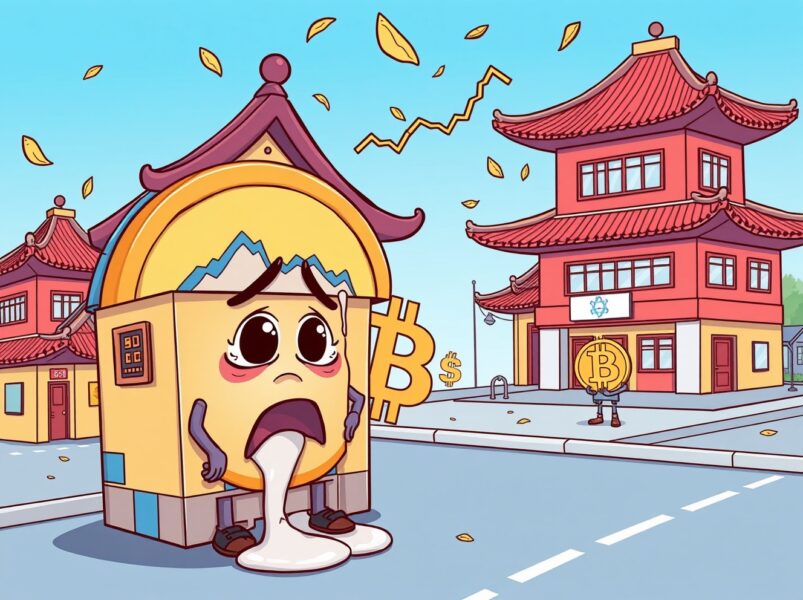
A cartoon South Korean crypto exchange worried as Bitcoin value and South Korean exchange volumes decline.

BitcoinWorld

Bitcoin Slump Sparks Crisis: South Korean Exchange Volumes Plummet, Threatening Q4 Earnings

Has the recent Bitcoin price downturn sent shockwaves through a key global market? New data reveals a dramatic contraction in South Korean exchange volumes, raising serious concerns about the financial health of these platforms as the year ends. The direct link between crypto prices, trading activity, and exchange revenue is now on full display, creating a potential earnings crisis.

How Bad Is the Drop in South Korean Exchange Volumes?

According to a report by IT Chosun, the situation is stark. The average daily trading volume on major South Korean cryptocurrency exchanges has fallen sharply. In August, this figure stood at a robust $4.41 billion. By November, however, it had collapsed to just $2.91 billion. This represents a drop of over 30% in just three months, directly mirroring Bitcoin’s own price struggles during the same period.

This isn’t just a minor dip. It’s a significant cooling of one of the world’s most active and retail-driven crypto markets. The contraction in South Korean exchange volumes highlights how sensitive these platforms are to broader market sentiment. When investors turn cautious, trading activity is often the first casualty.

Why Are Q4 Earnings Now at Serious Risk?

The connection is alarmingly simple. For most cryptocurrency exchanges, especially in South Korea, trading fees are the lifeblood of their business model. Market analysts point out that over 98% of revenue for these major exchanges comes directly from these fees. Therefore, when South Korean exchange volumes fall, revenue follows almost immediately.

  • Double Whammy Effect: Exchanges face a dual challenge. First, lower trading volume means fewer fee-generating transactions. Second, the declining price of Bitcoin and other assets means the fees collected (often a percentage of trade value) are worth less in absolute terms.
  • No Quick Fix: Unlike companies that can sell products or services independently of market cycles, exchanges are intrinsically tied to trader activity. A sustained bear market can quickly erode their quarterly financial performance.

Consequently, experts are predicting a clear slowdown in fourth-quarter earnings reports. The data from November suggests the trend was firmly in place as the quarter closed, setting the stage for potentially disappointing financial disclosures.

What Does This Mean for the Broader Crypto Ecosystem?

The health of major exchanges acts as a barometer for the entire cryptocurrency ecosystem. A decline in South Korean exchange volumes signals reduced retail participation and liquidity in a crucial market. This can have a ripple effect:

  • Reduced Market Depth: Lower trading volumes can lead to higher volatility, as large orders have a greater price impact.
  • Pressure on Exchange Services: Exchanges facing revenue pressure may slow down new feature rollouts, hiring, or marketing efforts.
  • Investor Sentiment Gauge: It serves as a clear indicator that the retail “fear of missing out” (FOMO) has been replaced by caution, impacting momentum.

However, it’s crucial to remember that markets are cyclical. Past periods of low volume have often been followed by renewed surges in activity. The key question is how long this contraction will last and how exchanges will manage their operations through this lean period.

Conclusion: A Sobering Reminder of Market Interdependence

The sharp drop in South Korean exchange volumes provides a sobering, real-time case study in crypto market economics. It underscores the fundamental vulnerability of exchanges whose revenue is almost exclusively tied to transactional activity. For investors, it’s a reminder that exchange stocks or tokens carry inherent cyclical risk. For the market, it highlights the need for robust business models that can weather periods of low volatility and price decline. As the industry matures, navigating these downturns will be a critical test of resilience for platforms worldwide.

Frequently Asked Questions (FAQs)

Q1: Why are South Korean exchanges so dependent on trading fees?
A1: The South Korean crypto market is heavily retail-focused, with exchanges primarily acting as trading platforms. Other revenue streams like staking, lending, or institutional services are less dominant compared to trading, making fee income paramount.

Q2: Could this volume drop affect Bitcoin’s global price?
A2: While South Korea is a significant market, Bitcoin’s global price is influenced by many larger factors, including US institutional flows and macroeconomic conditions. However, a major drop in liquidity from any large market can contribute to increased volatility.

Q3: Are all crypto exchanges affected the same way by price slumps?
A3: No. Exchanges with diversified revenue (e.g., from custody, venture investing, or subscription services) are generally more resilient. The report highlights a particular risk for exchanges with over 98% reliance on trading fees.

Q4: What can exchanges do to protect themselves in such situations?
A4: Exchanges can diversify their product offerings, build reserves during bull markets, control operational costs, and develop services that are useful in both bull and bear markets, like secure custody or educational content.

Q5: Is this volume drop unique to South Korea?
A5: While the data here is specific to South Korea, trading volume contractions often occur globally during crypto market downturns. The high percentage of fee-based revenue makes the South Korean case a particularly clear example of the financial impact.

Q6: Should investors be worried about the safety of their funds on exchanges now?
A6: Financial performance and security are different. Investors should always practice good security hygiene, like using hardware wallets for large, long-term holdings. An exchange’s lower earnings don’t necessarily compromise its security infrastructure, but it emphasizes the importance of choosing well-established, compliant platforms.

Found this analysis of the pressure on South Korean exchange volumes insightful? Help other crypto enthusiasts understand market dynamics by sharing this article on your social media channels.

To learn more about the latest crypto market trends, explore our article on key developments shaping Bitcoin and its influence on global exchange ecosystems.

This post Bitcoin Slump Sparks Crisis: South Korean Exchange Volumes Plummet, Threatening Q4 Earnings first appeared on BitcoinWorld.

Piyasa Fırsatı
Chainlink Logosu
Chainlink Fiyatı(LINK)
$12.71
$12.71$12.71
-2.53%
USD
Chainlink (LINK) Canlı Fiyat Grafiği
Sorumluluk Reddi: Bu sitede yeniden yayınlanan makaleler, halka açık platformlardan alınmıştır ve yalnızca bilgilendirme amaçlıdır. MEXC'nin görüşlerini yansıtmayabilir. Tüm hakları telif sahiplerine aittir. Herhangi bir içeriğin üçüncü taraf haklarını ihlal ettiğini düşünüyorsanız, kaldırılması için lütfen service@support.mexc.com ile iletişime geçin. MEXC, içeriğin doğruluğu, eksiksizliği veya güncelliği konusunda hiçbir garanti vermez ve sağlanan bilgilere dayalı olarak alınan herhangi bir eylemden sorumlu değildir. İçerik, finansal, yasal veya diğer profesyonel tavsiye niteliğinde değildir ve MEXC tarafından bir tavsiye veya onay olarak değerlendirilmemelidir.

Ayrıca Şunları da Beğenebilirsiniz

Crucial Insights: Two Fed Interest Rate Cuts on the Horizon?
Crucial Insights: Two Fed Interest Rate Cuts on the Horizon?

BitcoinWorld Crucial Insights: Two Fed Interest Rate Cuts on the Horizon? The financial world is buzzing with discussions around the future of monetary policy, and a recent statement from a key Federal Reserve official has added fuel to the fire. Investors, businesses, and consumers alike are keenly watching for signals regarding potential Fed interest rate cuts and their broader economic implications. What’s Driving Talk of Fed Interest Rate Cuts? Neel Kashkari, the president of the Minneapolis Federal Reserve Bank, recently made headlines by stating his belief that two additional Fed interest rate cuts would be appropriate this year. This isn’t the first time Kashkari has shared this perspective; he expressed a similar view back in August. His comments offer a glimpse into the ongoing internal debates and varying outlooks among policymakers regarding the optimal path for the nation’s economy. Understanding the context behind such statements is crucial. The Federal Reserve uses interest rates as a primary tool to manage inflation and support employment. When inflation is high, the Fed typically raises rates to cool down economic activity. Conversely, when economic growth slows or inflation targets are met, the Fed might consider cutting rates to stimulate spending and investment. How Do Fed Interest Rate Cuts Impact You? The prospect of Fed interest rate cuts carries significant weight for everyone. For instance, lower interest rates generally translate to: Cheaper Borrowing: Mortgages, car loans, and credit card interest rates can decrease, making it more affordable for consumers to borrow money. This can encourage home buying and larger purchases. Business Investment: Companies find it less expensive to borrow for expansion, new projects, and hiring, potentially boosting economic growth and job creation. Stock Market Performance: Lower rates can make bonds less attractive, pushing investors towards stocks, which might see increased valuations. This can also signal a more optimistic economic outlook. Savings Account Returns: On the flip side, interest rates on savings accounts and Certificates of Deposit (CDs) might also fall, offering lower returns for savers. These ripple effects touch various sectors, from housing to retail, and even extend into the cryptocurrency markets, where investor sentiment is often influenced by broader economic conditions and liquidity. Navigating the Economic Landscape: Why Are Policymakers Divided on Fed Interest Rate Cuts? While some policymakers, like Kashkari, see the appropriateness of multiple Fed interest rate cuts, others may hold different views. The Federal Reserve’s decisions are complex, balancing the need to control inflation with the goal of maintaining maximum employment. Key factors influencing these decisions include: Inflation Data: The pace at which inflation is returning to the Fed’s 2% target is a primary concern. Sustained progress is needed. Employment Figures: A strong job market might give the Fed more leeway to keep rates higher for longer, whereas signs of weakness could prompt cuts. Global Economic Conditions: International economic trends and geopolitical events can also influence the Fed’s domestic policy decisions. Market Expectations: The Fed also considers how financial markets are pricing in future rate movements, aiming to avoid undue volatility. The path forward is rarely straightforward, and the Fed’s approach is often described as data-dependent, meaning decisions can shift as new economic information becomes available. The Outlook for Future Fed Interest Rate Cuts Kashkari’s consistent view on two Fed interest rate cuts this year provides an important perspective, but it’s essential to remember that he is one voice among many on the Federal Open Market Committee (FOMC). The committee as a whole determines monetary policy through a consensus-driven process. As the year progresses, market participants will be closely monitoring upcoming inflation reports, employment data, and official Fed statements for further clarity. The timing and magnitude of any potential rate adjustments will significantly shape the economic environment, influencing everything from investment strategies to everyday household budgets. In summary: Neel Kashkari’s consistent advocacy for two Fed interest rate cuts this year highlights a potential shift in monetary policy. These cuts, if they materialize, could offer relief to borrowers, stimulate economic activity, and impact various markets. However, the ultimate decision rests with the broader Federal Reserve committee, which weighs a multitude of economic indicators before acting. Frequently Asked Questions (FAQs) Q1: What does it mean when the Fed cuts interest rates? When the Federal Reserve cuts interest rates, it generally means they are reducing the cost for banks to borrow money. This, in turn, often leads to lower interest rates for consumers and businesses on loans like mortgages, car loans, and credit cards, aiming to stimulate economic activity. Q2: Why would the Fed consider two Fed interest rate cuts this year? The Fed might consider two interest rate cuts if they believe inflation is consistently moving towards their 2% target, or if there are signs of slowing economic growth that could benefit from stimulation. Policymakers like Kashkari may feel the current rates are too restrictive given the economic outlook. Q3: How quickly do Fed interest rate cuts affect the economy? The effects of Fed interest rate cuts can be seen relatively quickly in financial markets, but they typically take several months to fully filter through to the broader economy, impacting consumer spending, business investment, and inflation. Q4: Will Fed interest rate cuts impact my cryptocurrency investments? While not a direct impact, Fed interest rate cuts can indirectly affect cryptocurrency markets. Lower traditional interest rates might make riskier assets like cryptocurrencies more attractive to investors seeking higher returns. Additionally, a more liquid and stimulated economy can sometimes boost overall market sentiment, benefiting crypto assets. Q5: Who is Neel Kashkari? Neel Kashkari is the president of the Federal Reserve Bank of Minneapolis. He is one of the twelve regional Federal Reserve Bank presidents who contribute to the Federal Open Market Committee (FOMC) discussions, which set the nation’s monetary policy. Did you find this article insightful? Share your thoughts and help others understand the potential impact of future Fed decisions! You can share this article on your favorite social media platforms. To learn more about the latest crypto market trends, explore our article on key developments shaping Bitcoin price action. This post Crucial Insights: Two Fed Interest Rate Cuts on the Horizon? first appeared on BitcoinWorld.
Paylaş
Coinstats2025/09/19 19:35
US Senators Introduce SAFE Crypto Act to Target Rising Crypto Scams

US Senators Introduce SAFE Crypto Act to Target Rising Crypto Scams

The post US Senators Introduce SAFE Crypto Act to Target Rising Crypto Scams appeared first on Coinpedia Fintech News Crypto scams are getting faster, smarter and
Paylaş
CoinPedia2025/12/17 18:33
Crypto.com Data Leak Revealed: Hidden Attack Exposed by Bloomberg

Crypto.com Data Leak Revealed: Hidden Attack Exposed by Bloomberg

Bloomberg exposes Crypto.com’s 2023 user data leak. The perpetrators used phishing to access employee accounts, compromising privacy. A data breach that occurred in 2023 at Crypto.com compromised the personal information of its users, according to a disclosure by Bloomberg.  The hacking was planned by a well-known hacker organization known as Scattered Spider.  This team was […] The post Crypto.com Data Leak Revealed: Hidden Attack Exposed by Bloomberg appeared first on Live Bitcoin News.
Paylaş
LiveBitcoinNews2025/09/23 03:00