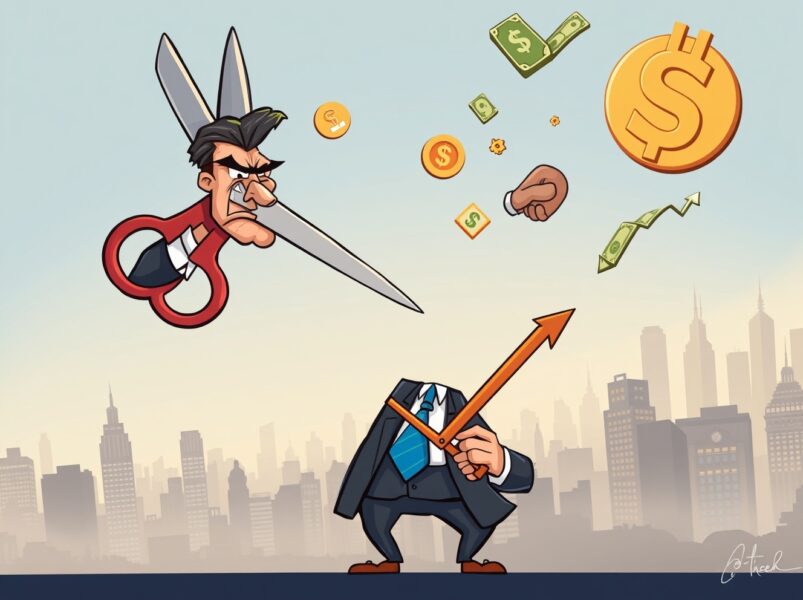
Pakistan is moving to harness crypto as a tool for capital formation, while India remains firmly cautious – highlighting a widening policy divide in South Asia’Pakistan is moving to harness crypto as a tool for capital formation, while India remains firmly cautious – highlighting a widening policy divide in South Asia’

Differing Crypto Dynamics & Bets in South Asia

2025/12/16 23:26
Differing Crypto Dynamics & Bets in South Asia

It is not just politics that India and Pakistan differ on; even in the crypto space, the views of both countries are diverging significantly.

In a clear case of crypto adoption, Pakistan recently signed a deal with Binance to promote digital asset growth and regulatory development in the country.

On the other hand, in India, crypto is not legal tender, with the Reserve Bank of India remaining steadfast that cryptos do not have an intrinsic value and threaten financial stability.

While India has hailed the underlying technology - blockchain, several times as the next important tech innovation, the country has discouraged crypto investment.

Pakistan's Embrace

Until last year, US President Trump was not in favour of cryptos.

But since his U-turn and pledge to make the US the crypto hub of the world, Pakistan has upped its bets on the sector.

Earlier this year, Pakistan established a crypto council and appointed Binance's CZ as the advisor.

Last week, the business issued an important announcement on a regulatory breakthrough in Pakistan, following strategic talks between Binance's upper management and Pakistani government authorities.

The announcement said, working closely with key lawmakers, Binance Co-CEO Richard Teng is demonstrating the company's commitment to creating a safe and regulated space for digital assets in the country.

Binance said it has made a noteworthy advancement in securing comprehensive licensing and establishing a local presence in Pakistan by acquiring an AML registration in accordance with PVARA’s framework.

The company said it has the potential to provide cross-border services that comply with AML regulations through this structured method, which is in harmony with Pakistan's regulatory framework.

This will also enable Binance to get ready for complete certification as a Virtual Asset Service Provider.

Why Tokenization?

Pakistan's deal with the crypto firm is to allow the country to explore tokenizing its state assets up to $2 billion to raise funds.

One of the top reasons is that external funding is drying up for the cash-strapped country.

The country has not been able to divest its state assets previously, as large investors seem to be worried about operations and profits in Pakistan.

A notable exodus of prominent multinational corporations from Pakistan has been underway, with companies such as Microsoft, Shell, Pfizer, TotalEnergies, P&G, Uber, and Yamaha leading the way.

This trend is fueled by considerable economic instability, policy unpredictability, currency devaluation, regulatory challenges, and elevated operational expenses.

These factors collectively indicate a profound crisis in investor confidence, rendering the business environment in the country increasingly unsustainable.

The recent departures, although partly linked to global corporate restructuring, have sparked considerable apprehension regarding the overall business environment in the country.

Pakistan's efforts to divest its national airline, Pakistan International Airlines (PIA), have consistently fallen short due to inadequate bids (such as a solitary $36M proposal well below the $300M+ goal), apprehensions from potential investors regarding substantial debt, opposition from unions and political factions, and conflicts over governmental oversight.

This comes despite pressure from the IMF to privatise this unprofitable entity.

A new bidding process is scheduled for early 2026 with adjusted terms - including the offer of a 75% stake, aimed at enticing buyers following previous setbacks, yet the likelihood of success remains ambiguous.

So, the country has partnered with Binance to tokenize its assets, which Pakistan sees as a way forward by attracting smaller domestic and international investors.

India's Stance Still Unclear

India allows crypto to be held, traded and invested in, but it is banned as legal tender.

The government is still hesitant about digital assets even as the country tops the charts in crypto adoption.

According to Chainanalysis, India and the United States lead in global crypto adoption.

But last week, RBI Deputy Governor T. Rabi Sankar said that widely recognized crypto assets fail to meet essential monetary functions, and as a result, they cannot be considered currency in any significant legal or economic context.

The deputy governor said that cryptocurrency is just a code and not a currency.

Sankar also cautioned that stablecoins present considerable macro-financial challenges, such as currency substitution and a dilution of monetary policy effectiveness.

He contended that they are missing critical characteristics of contemporary currency, including fiat recognition and singularity, and could potentially jeopardise India's financial framework.

Sankar said, "Beyond the facilitation of illicit payments and circumvention of capital measures, stablecoins raise significant concerns for monetary stability, fiscal policy, banking intermediation, and systemic resilience."

"Stablecoins do not serve any purpose that fiat money cannot," he added.

When it comes to regulating cryptocurrency, India has gone in a different direction than other big regional and global economies like the EU and Japan. Some worry that systemic risks could increase if these digital assets are integrated into the conventional financial structure.

Following the passing of a regulatory framework for dollar-pegged cryptocurrency tokens in the US, stablecoins have surged in global recognition, enhancing their appeal and elevating the total market capitalization of these tokens beyond $300 billion.

However, the RBI deputy said that stablecoins have yet to demonstrate the advantages that their supporters assert and are currently less favorable than traditional currency, he noted, emphasizing that India will maintain a careful stance towards these innovations.

More importantly, the country also poses significant operational hurdles for crypto exchanges.

This is characterised by a 30% flat tax on crypto gains, a ban on offsetting losses, and a one percent transaction fee that has dampened trading volumes.

The Indian government is yet to review and bring a crypto bill, which has been pending for the last few years.

Coinbase recently announced that after a two-year absence due to regulatory disagreements over payment infrastructure, the crypto exchange has returned to the Indian market and is once again onboarding users.

During India Blockchain Week, Asia-Pacific head John O'Loghlen explained that the exchange is currently accepting new registrations, as well as supporting crypto-to-crypto trading. He also revealed plans to reinstate converting rupees into crypto services next year, depending on regulatory approval.

Whether Coinbase's second innings turn favourable remains to be seen.

The Indian government's uncertainty remains despite crypto adoption widening beyond metros into tier-2 and tier-3 cities this year.

Crypto activity is increasingly influenced by younger demographics, showcasing a significant increase in female involvement, which underscores a varied and geographically spread landscape.

Still, authorities have turned a blind eye, with the RBI focussing on a digital rupee instead.


Elsewhere

SBI Holdings and Startale to Launch Regulated Yen Stablecoin
Japanese financial giant and blockchain firm target Q2 2026 launch for global settlement currency
Anchorage Digital Acquires Securitize’s Wealth Management Unit
Federal crypto bank buys RIA platform that grew 4,500% in past year
Bitcoin Falls to $86K as Senate Delays Crypto Market Structure Bill
Legislative postponement triggers risk-off positioning as total market cap slips below $3 trillion
Olea raises $30m Series A Led By BBVA, SC Ventures to Expand Trade Finance Platform
Funding will support AI-driven analytics and blockchain-enabled trade finance as Olea scales across major global corridors

Podcast

Decentralization and Privacy: Insights from TEN Protocol's Cais Manai

In this episode of Blockcast, host Takatoshi Shibayama sits down with Cais Manai, co-founder of TEN Protocol, to delve into the intricacies of blockchain privacy and decentralization. Cais shares his journey from discovering Bitcoin in 2012 to co-founding TEN Protocol, a project focused on integrating privacy into Ethereum's Layer 2 solutions.

Tune in at blockcast.blockhead.co or on Spotify, Apple, Amazon Music, or any major podcast platform.


Differing Crypto Dynamics & Bets in South Asia

Blockhead is a media partner for Consensus Hong Kong 2026. Readers can save 20% on tickets using exclusive code BLOCKDESK at this link.

Sorumluluk Reddi: Bu sitede yeniden yayınlanan makaleler, halka açık platformlardan alınmıştır ve yalnızca bilgilendirme amaçlıdır. MEXC'nin görüşlerini yansıtmayabilir. Tüm hakları telif sahiplerine aittir. Herhangi bir içeriğin üçüncü taraf haklarını ihlal ettiğini düşünüyorsanız, kaldırılması için lütfen service@support.mexc.com ile iletişime geçin. MEXC, içeriğin doğruluğu, eksiksizliği veya güncelliği konusunda hiçbir garanti vermez ve sağlanan bilgilere dayalı olarak alınan herhangi bir eylemden sorumlu değildir. İçerik, finansal, yasal veya diğer profesyonel tavsiye niteliğinde değildir ve MEXC tarafından bir tavsiye veya onay olarak değerlendirilmemelidir.

Ayrıca Şunları da Beğenebilirsiniz

Crucial Insights: Two Fed Interest Rate Cuts on the Horizon?
Crucial Insights: Two Fed Interest Rate Cuts on the Horizon?

BitcoinWorld Crucial Insights: Two Fed Interest Rate Cuts on the Horizon? The financial world is buzzing with discussions around the future of monetary policy, and a recent statement from a key Federal Reserve official has added fuel to the fire. Investors, businesses, and consumers alike are keenly watching for signals regarding potential Fed interest rate cuts and their broader economic implications. What’s Driving Talk of Fed Interest Rate Cuts? Neel Kashkari, the president of the Minneapolis Federal Reserve Bank, recently made headlines by stating his belief that two additional Fed interest rate cuts would be appropriate this year. This isn’t the first time Kashkari has shared this perspective; he expressed a similar view back in August. His comments offer a glimpse into the ongoing internal debates and varying outlooks among policymakers regarding the optimal path for the nation’s economy. Understanding the context behind such statements is crucial. The Federal Reserve uses interest rates as a primary tool to manage inflation and support employment. When inflation is high, the Fed typically raises rates to cool down economic activity. Conversely, when economic growth slows or inflation targets are met, the Fed might consider cutting rates to stimulate spending and investment. How Do Fed Interest Rate Cuts Impact You? The prospect of Fed interest rate cuts carries significant weight for everyone. For instance, lower interest rates generally translate to: Cheaper Borrowing: Mortgages, car loans, and credit card interest rates can decrease, making it more affordable for consumers to borrow money. This can encourage home buying and larger purchases. Business Investment: Companies find it less expensive to borrow for expansion, new projects, and hiring, potentially boosting economic growth and job creation. Stock Market Performance: Lower rates can make bonds less attractive, pushing investors towards stocks, which might see increased valuations. This can also signal a more optimistic economic outlook. Savings Account Returns: On the flip side, interest rates on savings accounts and Certificates of Deposit (CDs) might also fall, offering lower returns for savers. These ripple effects touch various sectors, from housing to retail, and even extend into the cryptocurrency markets, where investor sentiment is often influenced by broader economic conditions and liquidity. Navigating the Economic Landscape: Why Are Policymakers Divided on Fed Interest Rate Cuts? While some policymakers, like Kashkari, see the appropriateness of multiple Fed interest rate cuts, others may hold different views. The Federal Reserve’s decisions are complex, balancing the need to control inflation with the goal of maintaining maximum employment. Key factors influencing these decisions include: Inflation Data: The pace at which inflation is returning to the Fed’s 2% target is a primary concern. Sustained progress is needed. Employment Figures: A strong job market might give the Fed more leeway to keep rates higher for longer, whereas signs of weakness could prompt cuts. Global Economic Conditions: International economic trends and geopolitical events can also influence the Fed’s domestic policy decisions. Market Expectations: The Fed also considers how financial markets are pricing in future rate movements, aiming to avoid undue volatility. The path forward is rarely straightforward, and the Fed’s approach is often described as data-dependent, meaning decisions can shift as new economic information becomes available. The Outlook for Future Fed Interest Rate Cuts Kashkari’s consistent view on two Fed interest rate cuts this year provides an important perspective, but it’s essential to remember that he is one voice among many on the Federal Open Market Committee (FOMC). The committee as a whole determines monetary policy through a consensus-driven process. As the year progresses, market participants will be closely monitoring upcoming inflation reports, employment data, and official Fed statements for further clarity. The timing and magnitude of any potential rate adjustments will significantly shape the economic environment, influencing everything from investment strategies to everyday household budgets. In summary: Neel Kashkari’s consistent advocacy for two Fed interest rate cuts this year highlights a potential shift in monetary policy. These cuts, if they materialize, could offer relief to borrowers, stimulate economic activity, and impact various markets. However, the ultimate decision rests with the broader Federal Reserve committee, which weighs a multitude of economic indicators before acting. Frequently Asked Questions (FAQs) Q1: What does it mean when the Fed cuts interest rates? When the Federal Reserve cuts interest rates, it generally means they are reducing the cost for banks to borrow money. This, in turn, often leads to lower interest rates for consumers and businesses on loans like mortgages, car loans, and credit cards, aiming to stimulate economic activity. Q2: Why would the Fed consider two Fed interest rate cuts this year? The Fed might consider two interest rate cuts if they believe inflation is consistently moving towards their 2% target, or if there are signs of slowing economic growth that could benefit from stimulation. Policymakers like Kashkari may feel the current rates are too restrictive given the economic outlook. Q3: How quickly do Fed interest rate cuts affect the economy? The effects of Fed interest rate cuts can be seen relatively quickly in financial markets, but they typically take several months to fully filter through to the broader economy, impacting consumer spending, business investment, and inflation. Q4: Will Fed interest rate cuts impact my cryptocurrency investments? While not a direct impact, Fed interest rate cuts can indirectly affect cryptocurrency markets. Lower traditional interest rates might make riskier assets like cryptocurrencies more attractive to investors seeking higher returns. Additionally, a more liquid and stimulated economy can sometimes boost overall market sentiment, benefiting crypto assets. Q5: Who is Neel Kashkari? Neel Kashkari is the president of the Federal Reserve Bank of Minneapolis. He is one of the twelve regional Federal Reserve Bank presidents who contribute to the Federal Open Market Committee (FOMC) discussions, which set the nation’s monetary policy. Did you find this article insightful? Share your thoughts and help others understand the potential impact of future Fed decisions! You can share this article on your favorite social media platforms. To learn more about the latest crypto market trends, explore our article on key developments shaping Bitcoin price action. This post Crucial Insights: Two Fed Interest Rate Cuts on the Horizon? first appeared on BitcoinWorld.
Paylaş
Coinstats2025/09/19 19:35
US Senators Introduce SAFE Crypto Act to Target Rising Crypto Scams

US Senators Introduce SAFE Crypto Act to Target Rising Crypto Scams

The post US Senators Introduce SAFE Crypto Act to Target Rising Crypto Scams appeared first on Coinpedia Fintech News Crypto scams are getting faster, smarter and
Paylaş
CoinPedia2025/12/17 18:33
Crypto.com Data Leak Revealed: Hidden Attack Exposed by Bloomberg

Crypto.com Data Leak Revealed: Hidden Attack Exposed by Bloomberg

Bloomberg exposes Crypto.com’s 2023 user data leak. The perpetrators used phishing to access employee accounts, compromising privacy. A data breach that occurred in 2023 at Crypto.com compromised the personal information of its users, according to a disclosure by Bloomberg.  The hacking was planned by a well-known hacker organization known as Scattered Spider.  This team was […] The post Crypto.com Data Leak Revealed: Hidden Attack Exposed by Bloomberg appeared first on Live Bitcoin News.
Paylaş
LiveBitcoinNews2025/09/23 03:00