

Disney’s OpenAI Deal: The One-Year Exclusivity Window That Will Transform Generative AI
BitcoinWorld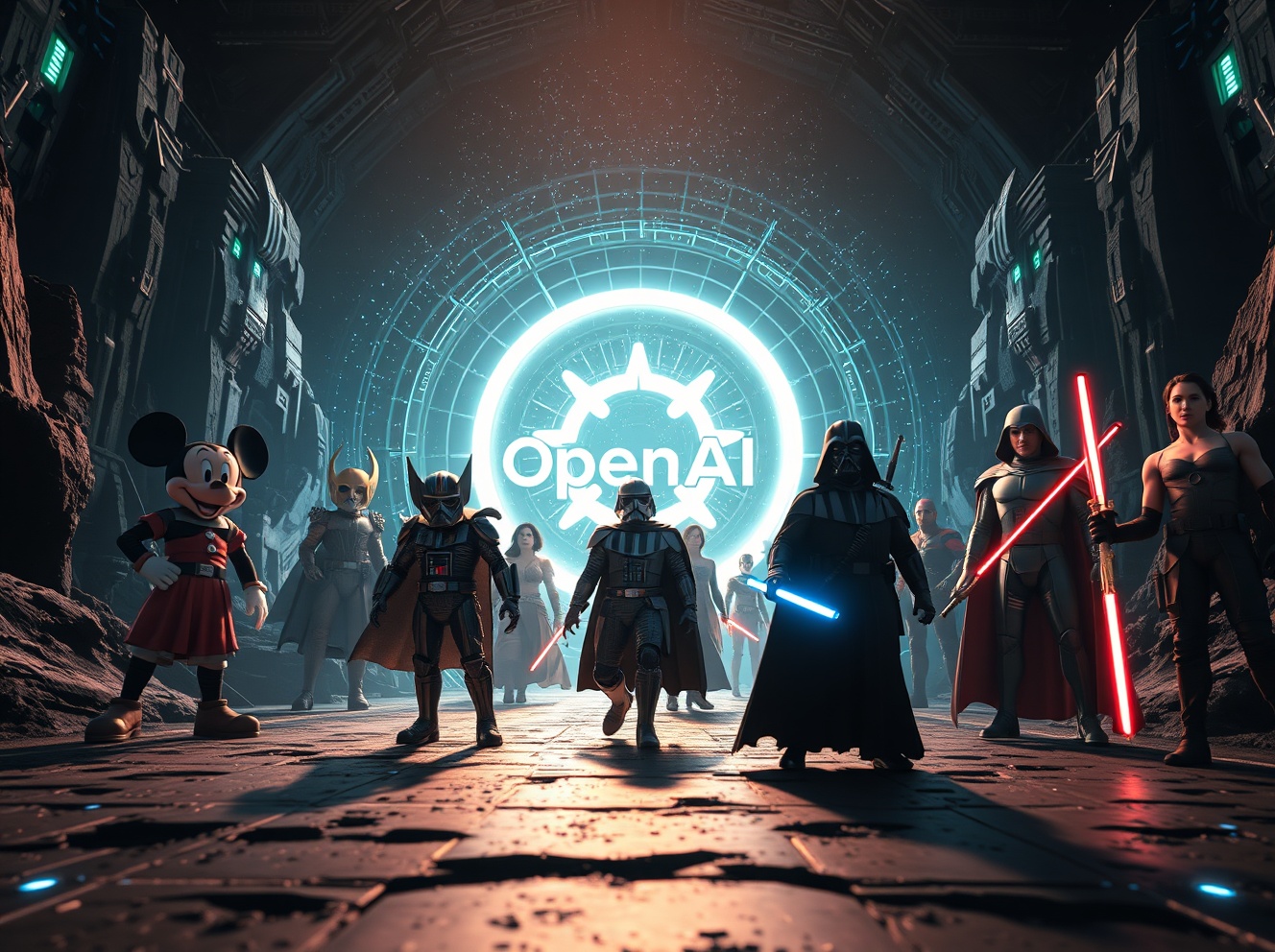
Disney’s OpenAI Deal: The One-Year Exclusivity Window That Will Transform Generative AI
In a move that signals a seismic shift in how entertainment giants approach artificial intelligence, Disney has revealed that its landmark partnership with OpenAI includes just one year of exclusivity. This strategic decision opens the door for what CEO Bob Iger calls “open season” on AI partnerships after 2026, creating ripple effects across both the media and technology sectors. For cryptocurrency enthusiasts watching the intersection of digital assets and emerging tech, this development represents a crucial test case for how intellectual property will be valued and traded in the AI era.
What Does the Disney OpenAI Deal Actually Include?
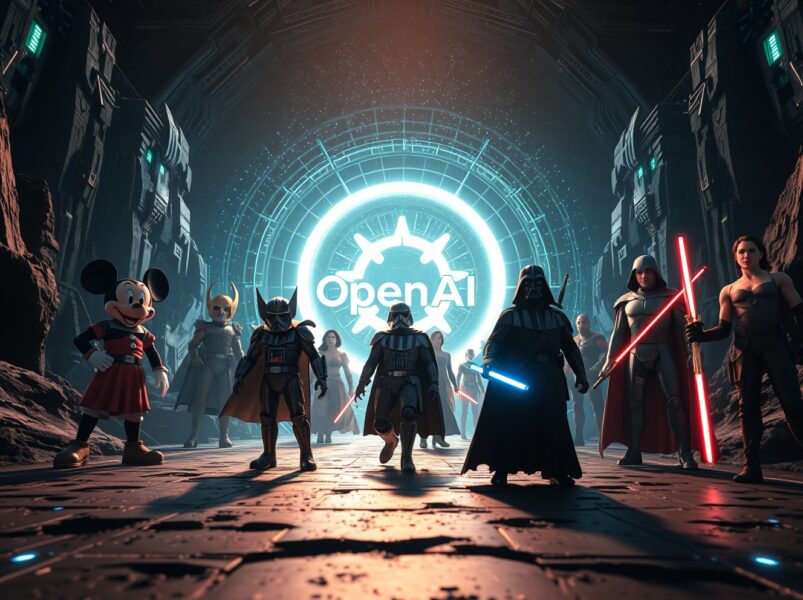
The three-year licensing agreement between Disney and OpenAI centers around Sora, OpenAI’s revolutionary video generation platform. During the first year, OpenAI enjoys exclusive access to more than 200 iconic characters from Disney’s vast portfolio, including Marvel superheroes, Pixar animations, and Star Wars legends. This exclusive window gives OpenAI a significant competitive advantage in the generative AI video space while providing Disney with a controlled environment to test how its intellectual property performs in AI-generated content.
| Component | Details | Timeline |
|---|---|---|
| Exclusivity Period | OpenAI has sole legal access to Disney IP for AI generation | 1 year (2025-2026) |
| Total Partnership | Licensing agreement for character usage | 3 years (2025-2028) |
| Character Access | 200+ characters from Disney, Marvel, Pixar, Star Wars | Immediate upon signing |
| Platform | Sora video generator exclusively | First year only |
Why Is Disney Testing Generative AI Waters Cautiously?
Disney’s approach reveals a sophisticated strategy for navigating the disruptive potential of artificial intelligence. Rather than fully embracing or rejecting the technology, the company is implementing what amounts to a controlled experiment. The one-year exclusivity period serves multiple purposes:
- Risk Management: Disney can assess how AI-generated content affects brand perception without widespread exposure
- Market Testing: The company gains valuable data on user engagement with AI-created character content
- Partnership Evaluation: Disney can judge OpenAI’s execution before committing to broader AI relationships
- Revenue Modeling: The deal establishes baseline licensing values for future AI partnerships
Iger’s statement to CNBC captures this pragmatic approach: “No human generation has ever stood in the way of technological advance, and we don’t intend to try. We’ve always felt that if it’s going to happen, including disruption of our current business models, then we should get on board.”
How Will This AI Partnership Impact Content Creation?
The integration of Disney’s intellectual property into Sora’s video generator represents a watershed moment for creative industries. For the first time, users will have legal access to generate content featuring some of the world’s most valuable characters through artificial intelligence. This development raises crucial questions about:
- Creative Control: How will Disney maintain quality standards with user-generated AI content?
- Monetization: What revenue models will emerge from AI-generated character content?
- Copyright Protection: How will Disney prevent unauthorized use beyond the Sora platform?
- Market Expansion: Will AI-generated content create new audiences for Disney properties?
What Does the Google Cease-and-Desist Reveal About Disney’s Strategy?
In a revealing parallel action, Disney sent a cease-and-desist letter to Google on the same day it announced the OpenAI partnership. This dual approach demonstrates Disney’s comprehensive intellectual property strategy:
- Partnership Path: Working collaboratively with OpenAI through formal licensing agreements
- Enforcement Path: Taking legal action against perceived copyright infringement by Google
- Market Positioning: Establishing clear boundaries for how AI companies can access Disney content
- Value Protection: Ensuring that Disney’s intellectual property maintains its premium status
Google’s response—neither confirming nor denying the allegations but promising to “engage” with Disney—suggests the complex negotiations likely to unfold as traditional media companies navigate the AI landscape.
What Happens After the One-Year Exclusivity Ends?
The post-2026 landscape presents fascinating possibilities for the generative AI market. Once Disney’s exclusivity period with OpenAI concludes, the company becomes free to pursue similar deals with other AI platforms. This could trigger:
- Competitive Bidding: Multiple AI companies vying for Disney character access
- Market Fragmentation: Different characters available on different AI platforms
- Price Discovery: Establishing market rates for AI access to premium intellectual property
- Innovation Acceleration: AI companies developing better tools to justify partnership costs
Why Should Cryptocurrency Observers Care About This Deal?
For those monitoring digital assets and blockchain technology, Disney’s AI partnership offers critical insights into how intellectual property rights might evolve in decentralized environments. The deal establishes precedents for:
- Digital Ownership: How traditional IP translates to AI-generated content
- Licensing Models: Potential blockchain-based solutions for AI content rights management
- Value Transfer: Mechanisms for compensating IP owners in AI-generated ecosystems
- Market Dynamics: How scarcity and access affect digital asset valuation
The intersection of AI-generated content and intellectual property rights could eventually leverage blockchain technology for verification, ownership tracking, and royalty distribution—making Disney’s current experiments directly relevant to future crypto applications.
Conclusion: The Beginning of a New Era for Media and AI
Disney’s carefully structured partnership with OpenAI represents more than just another corporate deal—it’s a blueprint for how established media giants will navigate the AI revolution. The one-year exclusivity window provides Disney with crucial learning time while giving OpenAI a formidable competitive advantage in the short term. As Iger’s “open season” comment suggests, the real transformation begins in 2026, when Disney’s iconic characters could become available across multiple AI platforms, fundamentally changing how audiences interact with beloved franchises.
This strategic move demonstrates that traditional entertainment companies can engage with disruptive technology without surrendering control. By establishing clear boundaries, testing cautiously, and maintaining enforcement options, Disney is writing the playbook for intellectual property management in the age of artificial intelligence.
To learn more about the latest AI market trends, explore our article on key developments shaping AI features and institutional adoption.
Frequently Asked Questions
What is the duration of Disney’s exclusive deal with OpenAI?
The exclusivity period lasts for one year, after which Disney can partner with other AI companies, though the overall licensing agreement spans three years.
Which AI platform currently has legal access to Disney characters?
OpenAI‘s Sora video generator is the only AI platform with legal permission to use Disney’s intellectual property for content generation during the exclusivity period.
How many characters are included in the Disney OpenAI deal?
The partnership includes access to more than 200 characters from Disney’s portfolio, including properties from Marvel, Pixar, and Star Wars.
What was Disney’s simultaneous action regarding Google?
On the same day as the OpenAI announcement, Disney sent a cease-and-desist letter to Google, alleging copyright infringement related to its intellectual property.
Who announced the details of the Disney OpenAI partnership?
Disney CEO Bob Iger revealed the exclusivity details during an interview with CNBC, emphasizing the company’s strategic approach to technological disruption.
This post Disney’s OpenAI Deal: The One-Year Exclusivity Window That Will Transform Generative AI first appeared on BitcoinWorld.
Ayrıca Şunları da Beğenebilirsiniz
ADA Price Prediction: Here’s The Best Place To Make 50x Gains
What Is The Current Fair Value Of Ethereum? It’S Been Calculated, Here’S The Required Level
