USD1 Stablecoin Revolutionizes Payroll with Strategic Zebec Super App Integration
BitcoinWorld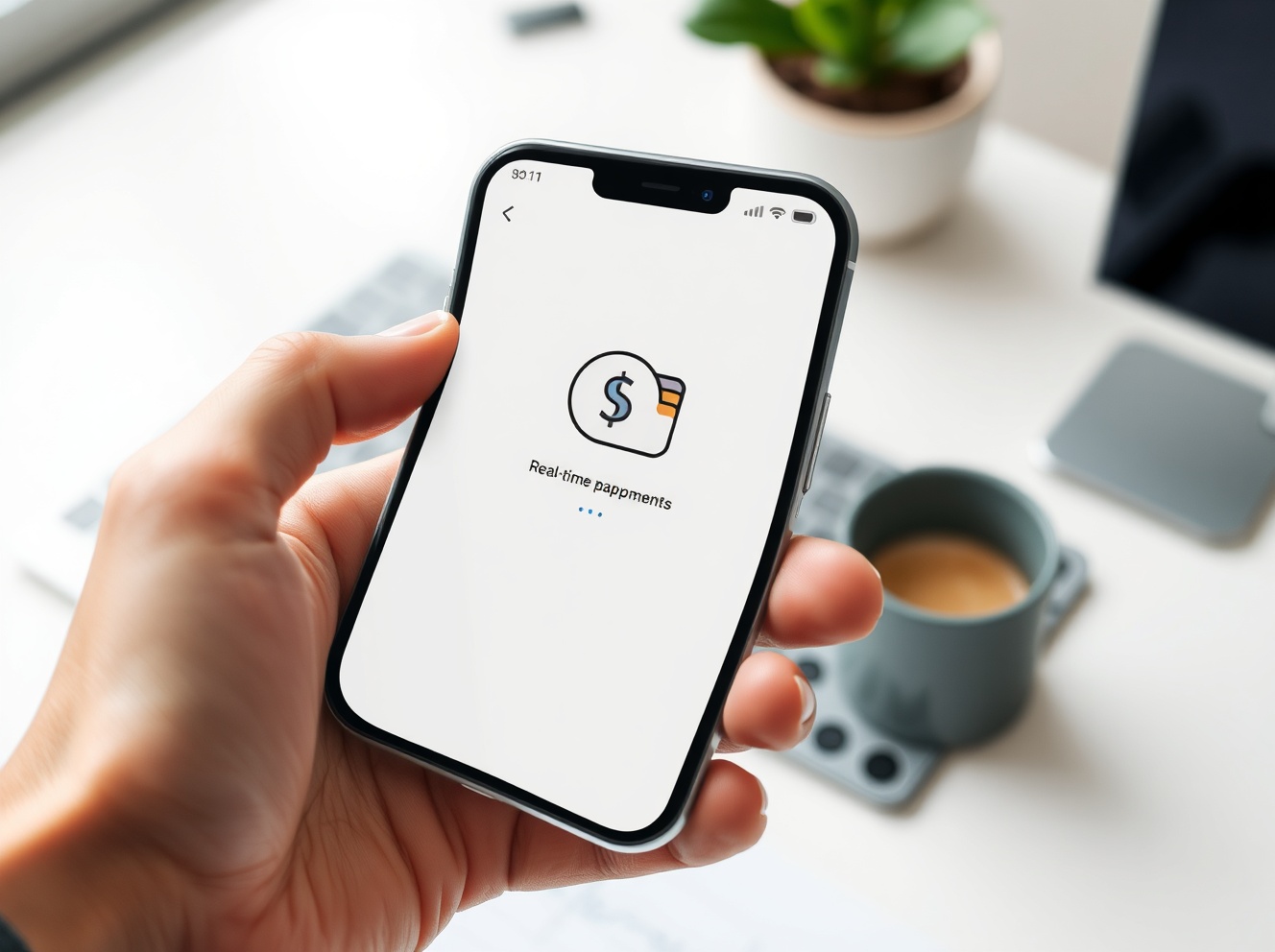
USD1 Stablecoin Revolutionizes Payroll with Strategic Zebec Super App Integration
In a significant development for blockchain-based finance, the USD1 stablecoin issued by World Liberty Financial (WLF) has officially integrated with the Zebec (ZBCN) Super App. This partnership, announced in early 2025, fundamentally transforms how businesses manage payroll and treasury operations on the Solana network. Consequently, companies can now leverage this integration for real-time, per-second salary disbursements and efficient mass fund transfers.
USD1 Stablecoin and Zebec Forge a Transformative Partnership
The integration connects a regulated digital dollar with a leading real-time settlement protocol. World Liberty Financial, the issuer of USD1, maintains full reserves for its stablecoin, ensuring its peg to the US dollar. Meanwhile, the Zebec Network provides an infrastructure for continuous and programmable money streams. Therefore, this collaboration merges regulatory compliance with technological innovation. Businesses gain access to a powerful suite of financial tools directly within the Zebec Super App’s interface. This move signals a maturation phase for enterprise blockchain adoption, focusing on tangible utility over speculation. The Solana network’s high throughput and low transaction costs serve as the foundational layer for these services.
Core Functionality: Real-Time Payments and Treasury Management
The partnership unlocks several immediate use cases for corporate finance departments. Primarily, it enables real-time salary payments. Employees can receive earnings by the second, a stark contrast to traditional bi-weekly payroll cycles. Additionally, the system supports mass payouts, allowing companies to distribute funds to hundreds of recipients simultaneously with minimal fees. Another critical feature is token vesting management. Startups and Web3 projects can automate equity or token distribution schedules directly on-chain. This automation reduces administrative overhead and enhances transparency for all stakeholders.
- Per-Second Payroll: Transforms cash flow for employees, enabling access to earned wages instantly.
- Bulk Transfers: Facilitates efficient vendor payments, rebates, or large-scale airdrops.
- Programmable Treasury: Allows finance teams to set rules for automated fund allocation and disbursement.
The Solana Advantage for Enterprise Finance
The choice of the Solana blockchain is not incidental. Its architecture provides the necessary speed and scalability for these financial applications. For instance, Solana consistently processes thousands of transactions per second with sub-second finality. This performance is crucial for real-time payroll, where delays are unacceptable. Furthermore, transaction fees remain a fraction of a cent, making micro-transactions and frequent payroll updates economically viable. This cost structure presents a compelling argument for businesses seeking to reduce payment processing expenses. Several other financial institutions have also begun piloting similar solutions on high-performance networks, indicating a broader industry trend.
Background and Market Context of the Integration
This integration occurs within a rapidly evolving stablecoin and real-world asset (RWA) landscape. Regulatory clarity in key jurisdictions during 2024 and 2025 has encouraged more traditional financial entities to engage with blockchain technology. World Liberty Financial, as a regulated entity, represents this bridge between conventional finance and digital assets. The Zebec Protocol, meanwhile, has established itself as a pioneer in continuous settlement streams since its inception. Their Super App aggregates these services into a single access point. The demand for such solutions has grown alongside the gig economy and remote work, where flexible and immediate payment options are increasingly valued.
| Feature | Description | Primary Benefit |
|---|---|---|
| Real-Time Salary | Payments settled per-second as work is completed. | Improves employee liquidity and financial wellness. |
| Mass Transfer Engine | Send thousands of payments in a single, low-cost transaction. | Reduces operational cost and time for treasury operations. |
r>
| On-Chain Vesting | Automated, transparent schedules for token or equity distribution. | Enhances trust and reduces administrative burden. |
| Solana Network | Built on a high-speed, low-cost Layer 1 blockchain. | Ensures scalability and affordability for businesses of all sizes. |
Potential Impact on Business and Financial Ecosystems
The practical implications of this integration are far-reaching. For businesses, it offers a direct path to modernize legacy payroll systems. This modernization can lead to significant cost savings and operational efficiencies. Moreover, it provides employees with greater control over their earned income, potentially reducing reliance on high-cost payday loans. From a broader perspective, it demonstrates a viable use case for stablecoins beyond trading and speculation. It anchors digital currency value in everyday human resource operations. Financial analysts observe that such integrations accelerate the convergence of decentralized finance (DeFi) principles with traditional corporate finance. This convergence could redefine standards for payment speed and transparency across industries.
Expert Analysis on Compliance and Adoption
Industry observers highlight the importance of WLF’s regulatory standing. Using a fully reserved and compliant stablecoin mitigates significant risk for adopting enterprises. It addresses common concerns regarding asset backing and regulatory scrutiny. Furthermore, the transparent nature of blockchain transactions provides an immutable audit trail. This feature is particularly valuable for publicly traded companies or those in heavily regulated sectors. Experts from financial technology research firms suggest that hybrid models, combining regulated issuers with decentralized protocols, will likely dominate enterprise adoption in the near term. The success of this specific integration could serve as a blueprint for similar partnerships throughout 2025.
Conclusion
The integration of the USD1 stablecoin with the Zebec Super App marks a pivotal step in practical blockchain adoption. It moves the narrative from theoretical potential to solving concrete business challenges in payroll and treasury management. By leveraging the speed of the Solana network and the compliance of a regulated stablecoin, this partnership provides a robust, efficient, and transparent financial infrastructure. Ultimately, its success will be measured by its adoption by businesses seeking a tangible advantage in financial operations and its positive impact on employee financial health. The USD1 and Zebec collaboration stands as a significant case study in the maturation of the digital asset ecosystem.
FAQs
Q1: What is the USD1 stablecoin?
The USD1 is a digital currency issued by World Liberty Financial (WLF). It is pegged 1:1 to the US dollar and is fully backed by reserves held by the issuer, designed for stability and use in financial applications.
Q2: How does the Zebec Super App work with real-time payments?
The Zebec Super App utilizes a protocol for continuous settlement streams. This technology allows money to be programmed to move in real-time, enabling features like per-second salary payments instead of bulk transfers at set intervals.
Q3: Why is the Solana network used for this integration?
Solana provides the high transaction throughput and very low fees necessary to make frequent, small-value payments like per-second payroll economically and technically feasible, which is challenging on networks with slower speeds or higher costs.
Q4: What are the main benefits for businesses using this service?
Businesses can reduce payroll processing costs, automate complex vesting schedules, improve treasury management efficiency, and offer a valuable real-time payment benefit to attract and retain employees.
Q5: Is the USD1 stablecoin safe and regulated?
World Liberty Financial, as the issuer of USD1, operates under relevant financial regulations and maintains full reserves for the stablecoin. This structure aims to provide safety and compliance for enterprise users, distinguishing it from algorithmic or under-collateralized stablecoins.
This post USD1 Stablecoin Revolutionizes Payroll with Strategic Zebec Super App Integration first appeared on BitcoinWorld.


You May Also Like

This U.S. politician’s suspicious stock trade just returned over 200% in weeks

DigiByte Price Prediction 2026, 2027 and 2030: Is DGB Ready to See a Pump?