

India–GCC FTA: What It Means for CX and EX Leaders in 2026
India–GCC FTA 2026: What It Means for CX and EX Leaders Navigating Global Trade Complexity
Ever watched a shipment stall at customs while your contact center faces a flood of “Where is my order?” calls?
Now imagine that friction multiplied across oil, engineering goods, gold, and digital services. That is the real-world backdrop to the newly signed Joint Statement launching negotiations for the India–GCC Free Trade Agreement.
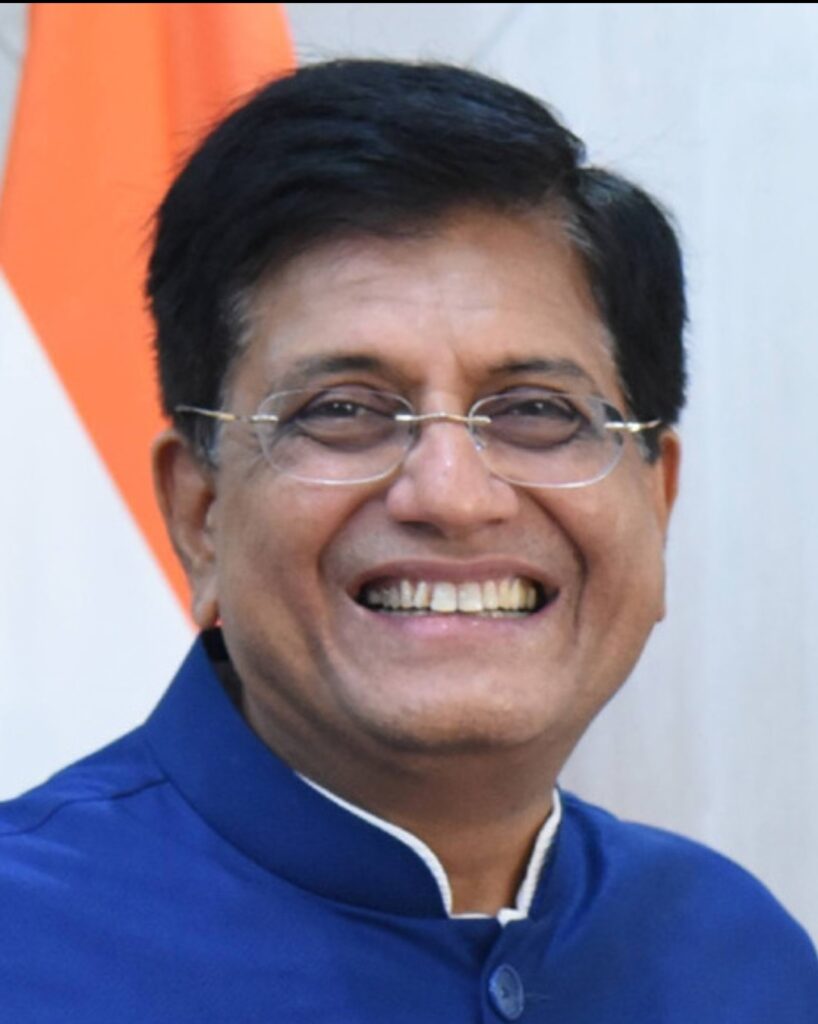
On 24 February 2026, Piyush Goyal, India’s Union Minister of Commerce and Industry, and Jasem Mohamed Albudaiwi, Secretary General of the Gulf Cooperation Council, formally launched negotiations in New Delhi. The announcement signals more than a trade milestone. It signals operational change.
For CX and EX leaders, this is not policy noise. It is strategy.
GCC is India’s largest trading partner bloc. Bilateral trade reached USD 178.56 billion in FY 2024-25. That accounts for 15.42% of India’s global trade. Trade has grown at an average 15.3% annually over five years.
Exports include engineering goods, rice, textiles, machinery, and gems. Imports include crude oil, LNG, petrochemicals, and gold. The GCC market spans 61.5 million people and a GDP of USD 2.3 trillion. Cumulative GCC FDI into India exceeds USD 31 billion.
This scale will reshape journeys.
What Is the India–GCC FTA and Why Should CX Leaders Care?
Short answer: The India–GCC FTA aims to reduce trade barriers and create predictable business conditions, directly impacting supply chains, pricing, service delivery, and customer expectations.
Minister Goyal called the agreement a “significant milestone” amid global uncertainties. Albudaiwi emphasized predictability and certainty for businesses.
Predictability is a CX metric.
When tariffs shift, lead times shrink, or compliance rules simplify, customer promises become easier to keep. When negotiations stall or misalign, friction grows.
At CXQuest.com, we often explore how macro shifts cascade into micro experiences. This FTA is a textbook example.
How Will the FTA Impact Customer Journeys Across Borders?
Short answer: The FTA can reduce journey friction by streamlining trade processes, stabilizing costs, and enabling better cross-border service design.
Consider three journey layers:
- Pre-purchase transparency
Tariff reductions influence pricing clarity. Transparent landed costs reduce abandoned carts. - Fulfillment reliability
Harmonized rules can reduce customs delays. That lowers WISMO queries. - Post-purchase trust
Clear dispute frameworks increase confidence in cross-border buying.
CX leaders must map these shifts across touchpoints. Use journey orchestration tools to simulate new trade scenarios.
Where Do Siloed Teams Create Risk in Trade-Driven CX?
Short answer: When trade, supply chain, finance, and CX teams operate in silos, policy changes fail to translate into customer-ready improvements.
Common fragmentation patterns include:
- Trade teams track tariff schedules. CX teams do not.
- Procurement renegotiates contracts. Marketing keeps old pricing.
- Compliance updates documentation. Agents lack scripts.
The result? Experience debt.
As negotiations progress, leaders must build a cross-functional FTA taskforce. Include trade compliance, logistics, digital commerce, and frontline CX.
What Strategic Framework Can CX Leaders Use?
Let us introduce the TRADE-CX Alignment Framework.
1. T – Translate Policy into Promises
Convert trade updates into customer-facing commitments.
Example: “Delivery time reduced by 3 days for GCC orders.”
2. R – Redesign Journeys
Update journey maps for cross-border flows.
Simulate tariff-free scenarios.
3. A – Align Data
Integrate trade data with CRM and ERP.
Ensure agents see shipment status and duty changes.
4. D – Develop Skills
Train teams on geopolitical literacy.
Empower agents with context, not scripts.
5. E – Elevate Trust
Communicate proactively with customers in GCC markets.
This framework reduces internal lag between policy and experience.
What Does This Mean for EX Leaders?
Short answer: Policy shifts create cognitive overload for employees unless leaders provide clarity, tools, and training.
Nearly 10 million Indians live in GCC countries. This diaspora acts as a living bridge. Many employees operate across time zones and cultures.
EX leaders must:
- Provide real-time policy briefings.
- Localize training for GCC norms.
- Equip hybrid teams with collaboration tools.
Experience is emotional. Trade is emotional too.
Key Insights for CX and EX Leaders
- Predictability is experience capital. Stability reduces customer anxiety.
- Trade growth amplifies volume stress. Prepare capacity early.
- Diaspora dynamics matter. Cultural fluency improves service quality.
- Data integration beats policy awareness alone.
Common Pitfalls to Avoid
- Treating FTA news as purely economic.
- Ignoring agent enablement.
- Overpromising before negotiations conclude.
- Failing to align IT systems with trade changes.
How Can Technology Close AI Gaps?
Short answer: AI can model tariff scenarios, predict volume spikes, and personalize cross-border communication.
Use AI for:
- Demand forecasting across GCC markets.
- Real-time customs delay alerts.
- Multilingual chat support.
- Sentiment tracking for export sectors.
But avoid blind automation. Governance matters. Human oversight builds trust.
Case Snapshot: Engineering Goods Exporter
An Indian engineering exporter anticipates reduced tariffs under the FTA.
Instead of waiting, leadership runs three pilots:
- Dynamic pricing simulations.
- Faster documentation workflows.
- GCC-focused support pods.
Early preparation shortens response time once agreements finalize.
That is proactive CX strategy.
FAQ: India–GCC FTA and CX Strategy
How does the India–GCC FTA affect customer experience operations?
It influences pricing, delivery times, service predictability, and trust in cross-border transactions.
What industries will feel CX impact first?
Engineering goods, textiles, gems, energy-linked sectors, and digital trade services.
Should CX teams act before the FTA is finalized?
Yes. Scenario planning builds readiness and reduces lag.
How can EX leaders reduce employee confusion during trade transitions?
Offer clear briefings, structured playbooks, and role-specific guidance.
What metrics should CX leaders track during FTA negotiations?
Track WISMO queries, delivery SLA variance, cross-border NPS, and pricing-related complaints.
Tightened for Google Discover / PAA Dominance
- Front-load definitions.
- Use question-based headers.
- Keep answers under 60 words before deep dives.
- Highlight numbers early.
- Emphasize action steps.
India–GCC FTA: Actionable Takeaways for CX Pros
- Form a cross-functional FTA response team this quarter.
- Map cross-border journeys for GCC customers.
- Run tariff-reduction scenario simulations.
- Integrate trade data into CRM dashboards.
- Train agents on GCC market nuances.
- Build AI-driven demand forecasting models.
- Align pricing, marketing, and compliance messaging.
- Communicate transparently with GCC customers about changes.
The India–GCC FTA negotiations represent more than diplomacy. They represent experience transformation.
Trade agreements shape trust. Trust shapes loyalty.
And loyalty defines the future of global CX.
The post India–GCC FTA: What It Means for CX and EX Leaders in 2026 appeared first on CX Quest.
You May Also Like

Trump’s SOTU Tariff Claim: The Surprising Catalyst Behind America’s Economic Resurgence

Nubank plans stablecoin integration for credit card transactions
Nubank Vice-Chairman Roberto Campos Neto said the bank will test stablecoin credit card payments, as adoption of stablecoins accelerates across Latin America. Nubank, Latin America’s largest digital bank, is reportedly planning to integrate dollar-pegged stablecoins and credit cards for payments.The move was disclosed by the bank’s vice-chairman and former governor of Brazil’s central bank, Roberto Campos Neto. Speaking at the Meridian 2025 event on Wednesday, he highlighted the importance of blockchain technology in connecting digital assets with the traditional banking system. According to local media reports, Campos Neto said Nubank intends to begin testing stablecoin payments with its credit cards as part of a broader effort to link digital assets with banking services.Read more
