TLDR: USD1 achieved over $5 billion market capitalization within initial phase, ranking among top stablecoins globally. Platform recorded $300 million total valueTLDR: USD1 achieved over $5 billion market capitalization within initial phase, ranking among top stablecoins globally. Platform recorded $300 million total value

USD1 Stablecoin Surges to $5 Billion Market Cap as Wall Street CEOs Schedule Florida Summit

2026/02/16 12:25
3 min read

TLDR:

  • USD1 achieved over $5 billion market capitalization within initial phase, ranking among top stablecoins globally.
  • Platform recorded $300 million total value locked with yields reaching 13% on USDC and 7% on USD1 holdings.
  • Major financial CEOs from Goldman Sachs, Coinbase, Franklin Templeton attend February 18 Mar-a-Lago meeting.
  • Developer plans target $9 trillion daily FX market, positioning USD1 as potential settlement infrastructure.

USD1 has reached a market capitalization exceeding $5 billion within its initial phase, positioning itself among the largest stablecoins in the global market.

The token, associated with World Liberty Financial, has attracted attention from traditional finance leaders ahead of a scheduled February 18 gathering at Mar-a-Lago.

Capital flows into the platform have accelerated despite broader market volatility, with early metrics showing substantial total value locked and competitive yield rates.

Platform Metrics Show Early Traction

The stablecoin recorded approximately $300 million in total value locked during its first month of operation. Users can access yield rates reaching around 13 percent on USDC deposits through the platform.

USD1 itself offers roughly 7 percent returns to holders, creating multiple entry points for yield-seeking investors.

A crypto analyst posting under the handle @Eljaboom noted the scale of the project on social media. “Everyone is watching BTC · $68,174.43. Meanwhile, a new dollar rail is quietly forming in Florida,” the analyst wrote. The commentary emphasized that USD1 had moved beyond early-stage development into operational scale.

The platform’s rapid accumulation of locked value demonstrates market appetite for alternative stablecoin infrastructure. Traditional stablecoin markets have been dominated by established players for years.

However, new entrants with institutional backing are now challenging existing market structures through competitive yield offerings and expanded functionality.

World Liberty Financial architect Zak Folkman has discussed plans extending into foreign exchange markets. The global FX market processes approximately $9 trillion in daily transactions, representing a substantial opportunity for blockchain-based settlement infrastructure. If USD1 transitions from a yield-generating token to a settlement layer, its utility could expand considerably.

Institutional Participation and Infrastructure Development

The February 18 event at Mar-a-Lago includes participation from several prominent financial executives. Coinbase CEO Brian Armstrong, Goldman Sachs CEO David Solomon, Franklin Templeton CEO Jenny Johnson, and Cantor Fitzgerald CEO Michael Selig are confirmed attendees.

This lineup reflects institutional curiosity about digital asset infrastructure rather than typical cryptocurrency community engagement.

The platform has outlined several development priorities on its public roadmap. A debit card product aims to bridge digital and traditional payment systems.

Mobile onboarding tools will expand accessibility beyond desktop users. Real-world asset integration could connect traditional financial instruments with blockchain rails.

The analyst’s post emphasized infrastructure over short-term price movements. “The token price is noise. The infrastructure is the story,” according to the social media commentary.

This perspective suggests that platform utility and adoption metrics matter more than speculative trading activity.

Capital allocation patterns indicate growing confidence in alternative stablecoin systems. Whether driven by yield opportunities or institutional partnerships, the flow of funds into newer platforms challenges the assumption that established stablecoins maintain permanent market dominance.

The development of payment rails and settlement infrastructure continues regardless of broader cryptocurrency market conditions.

The post USD1 Stablecoin Surges to $5 Billion Market Cap as Wall Street CEOs Schedule Florida Summit appeared first on Blockonomi.

Market Opportunity
USD1 Logo
USD1 Price(USD1)
$0.9996
$0.9996$0.9996
-0.03%
USD
USD1 (USD1) Live Price Chart
Disclaimer: The articles reposted on this site are sourced from public platforms and are provided for informational purposes only. They do not necessarily reflect the views of MEXC. All rights remain with the original authors. If you believe any content infringes on third-party rights, please contact service@support.mexc.com for removal. MEXC makes no guarantees regarding the accuracy, completeness, or timeliness of the content and is not responsible for any actions taken based on the information provided. The content does not constitute financial, legal, or other professional advice, nor should it be considered a recommendation or endorsement by MEXC.

You May Also Like

Ex-Alipay UK Chief Eva Zhang to Lead Blockscout Into AI-Driven Growth

Ex-Alipay UK Chief Eva Zhang to Lead Blockscout Into AI-Driven Growth

Blockscout, the leading open-source block explorer for EVM chains, has appointed Eva Zhang, former CEO of Alipay UK, as its new chief executive officer.
Share
Blockchainreporter2025/09/18 19:00
Gold price in Malaysia: Rates on February 16
Gold price in Malaysia: Rates on February 16

The post Gold price in Malaysia: Rates on February 16 appeared on BitcoinEthereumNews.com. Gold prices fell in Malaysia on Monday, according to data compiled by
Share
BitcoinEthereumNews2026/02/16 13:21
U.S. Treasury Seeks Public Input on Game-Changing Stablecoin Regulations

U.S. Treasury Seeks Public Input on Game-Changing Stablecoin Regulations

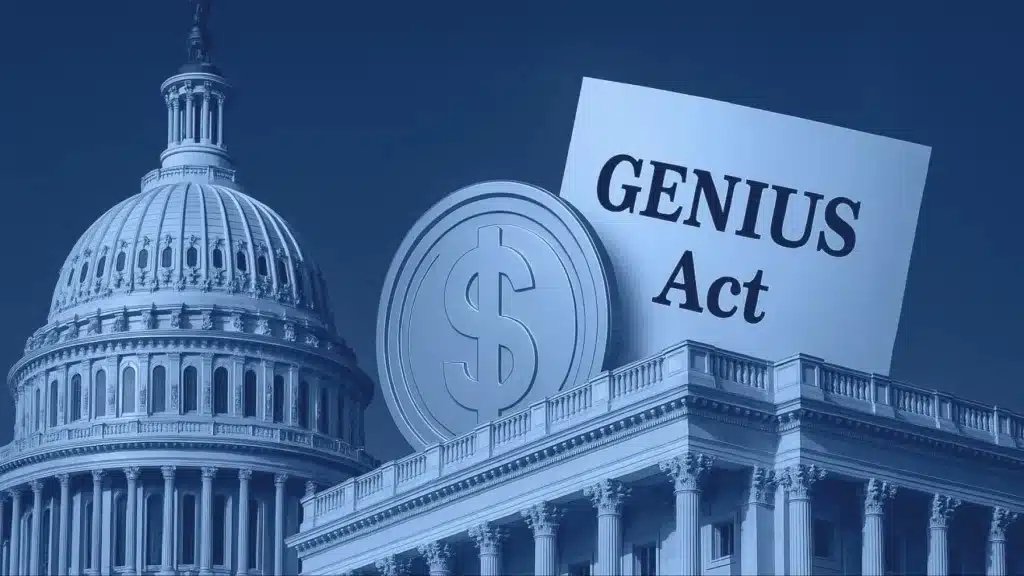
U.S. Treasury invites feedback on groundbreaking stablecoin regulations under GENIUS. Key questions around stablecoin tax treatment and foreign issuer rules. Treasury explores marketing restrictions, oversight balance, and AML enforcement options. The U.S. Treasury Department is now inviting public feedback on the implementation of the groundbreaking GENIUS Act, the first piece of crypto-specific legislation passed in the U.S. this summer. The new law is a milestone in terms of regulation of stablecoins, as the Treasury is aiming to balance the need to innovate and the aim of protecting consumers and monetary stability. According to Treasury officials, the GENIUS Act is designed to stimulate the growth of payment stablecoins while addressing potential risks related to illicit financial activities and maintaining overall economic stability. The department especially shows interest in the acquisition of data that could assist in refining the regulatory guidelines as it proceeds with the writing of its formal proposal. The commenting is active through the October 20 deadline, which gives both opponents and players in the industry time to express their views. One of the most pressing questions under consideration is how the IRS will handle the federal income tax treatment of stablecoins. The GENIUS Act does not directly cover this, and there is room to interpret and make decisions by regulation in the future. Also unclear is when and how foreign issuers can be allowed to offer stablecoins in the U.S., and it does not look like there is a timeline involved in making any changes. Also Read: Ripple Partners with DZ BANK to Launch Institutional Digital Asset Custody Solution Key Areas Under Scrutiny as Treasury Prepares Stablecoin Regulations Several key issues are currently up for discussion as part of the Treasury’s review of the GENIUS Act’s implementation. These include whether stablecoins should have certain marketing limitations, whether it should be at the state or federal level, and how the current anti-money laundering (AML) and sanctions policies will relate to digital assets. Moreover, the Treasury is analyzing how the current regulations, such as the Bank Secrecy Act (BSA), are capable of mitigating the risks of digital assets. This is after it was earlier sought to seek the views of people on the detection of illicit use in the digital asset markets. As the Treasury moves toward finalizing the regulations, it is clear that the department aims to craft a robust and flexible framework that can adapt to the evolving landscape of digital currencies. The outcome will have lasting implications for the future of stablecoin regulation in the U.S., shaping the path forward for both domestic and international players in the crypto space. Also Read: Shiba Inu Faces Major Selling Pressure as 157 Billion SHIB Floods Exchanges! The post U.S. Treasury Seeks Public Input on Game-Changing Stablecoin Regulations appeared first on 36Crypto.
Share
Coinstats2025/09/20 17:22