The European MiCA Act is about to be implemented. What impact will it have on the market?

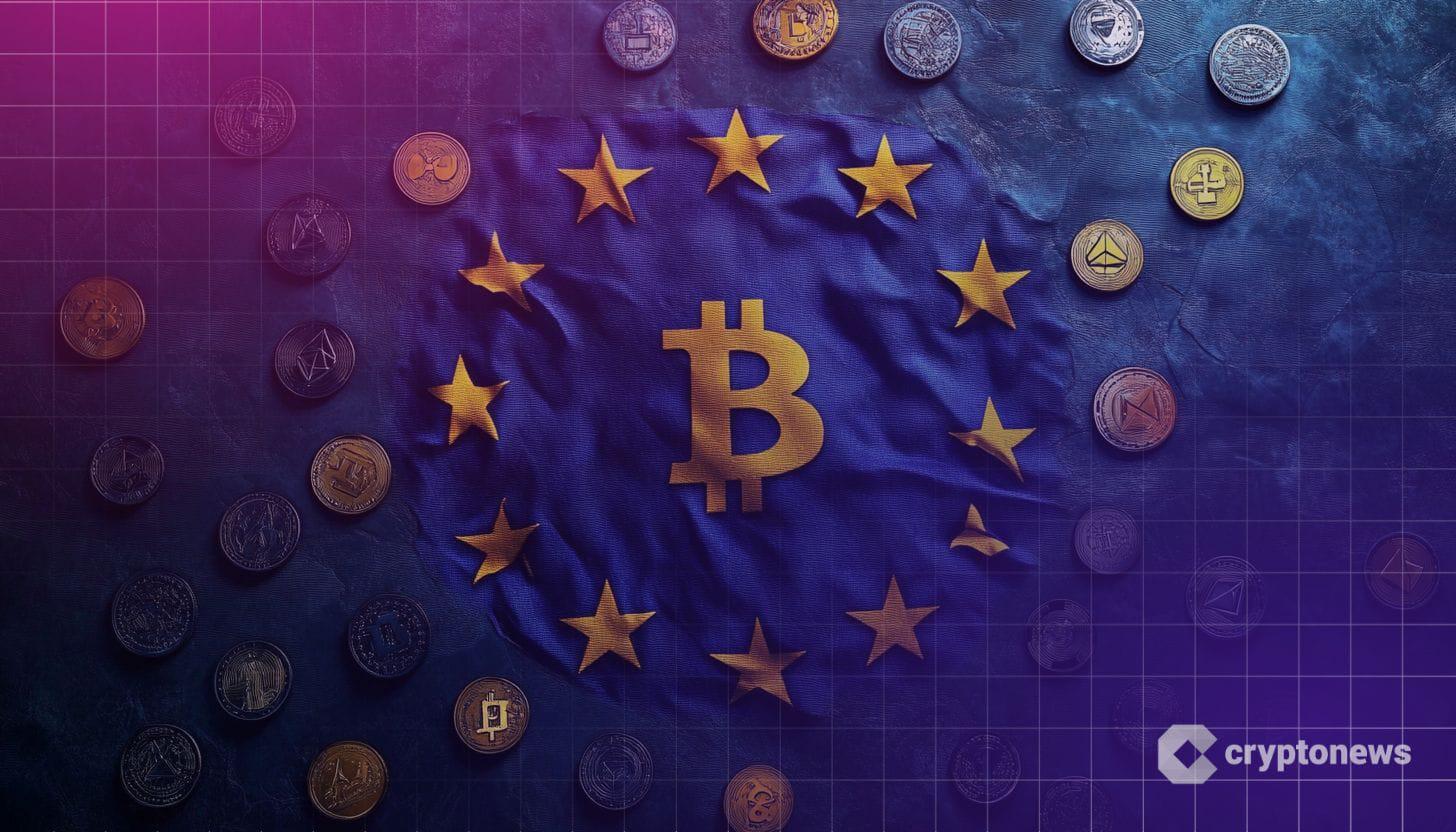
Original article: Cryptonews
Compiled by: Yuliya, PANews
With the arrival of 2025, the European cryptocurrency market is about to usher in major changes. Although the world's attention is often focused on the development of the US market, the development trend of the European market in the coming year is also worthy of special attention. In particular, with the highly anticipated Crypto-Asset Market Regulation Act (MiCA) to be fully implemented across the EU on December 30, 2024, the market landscape will change significantly. The introduction of this bill has had a significant impact on the stablecoin market, especially in recent days, there have been many doubts about USDT in the market. In response, Tether CEO forwarded several clarifications on the social platform X, emphasizing that the reality is that USDT will not be deemed illegal in Europe.
'Major changes' to come
Marina Markezic, co-founder of the European Crypto Initiative (EUCI), said that the implementation of MiCA will prompt EU member states to compete to become the most attractive business and investment destination. She pointed out:
“Jurisdictions that can efficiently adopt MiCA (Markets in Crypto-Assets Directive) and provide a business-friendly environment are expected to become important cryptocurrency hubs, with Germany and France being strong contenders. At the same time, countries such as Estonia, Malta or Portugal may also use their flexible regulatory processes and competitive tax policies to attract global players.”
Markezic explained that MiCA provides a unified regulatory framework that enables companies to operate across the trading area by obtaining a regulatory license in one member state through a "license passport" system. EUCI expects that by 2025, Europe will have a "more mature and regulated cryptocurrency market," providing legal certainty and confidence for institutional and retail investors while promoting the adoption of blockchain technology.
“Retail participation has increased recently due to the rally in the cryptocurrency market. The approval of ETFs and the change in the US government have brought optimism to investors. Nevertheless, given the historical volatility of the market, we believe that most retail cryptocurrency investors remain cautious.”
OKX Europe General Manager Erald Ghoos believes that 2025 will be a key year for the transformation of the cryptocurrency industry, especially in Europe.
“Bitcoin’s recent all-time high is a strong indicator of the growing trust and attention digital assets are receiving. This rally, coupled with Europe’s upcoming MiCA regulation, marks a pivotal moment for the industry, bringing a much-needed framework that promises to provide greater clarity, security, and stability.”
MiCA Challenges
While MiCA is seen as a step in the right direction, Marina Markezic of EUCI expects the regulation could cause “quite a bit of confusion” in implementation, noting that regulatory consistency will be challenging as the 27 EU member states are likely to interpret the regulation differently.
“There is also great uncertainty in determining which projects and assets fall within the scope of MiCA regulation, especially as there is still controversy over what can be considered ‘fully decentralized’. In addition, there is no consensus within the industry on the definition of NFT, which also leads to ambiguity as to whether some tokens are regulated by MiCA.”
Markezic said this is important, the new regulations require projects to prepare white papers before publicly issuing tokens, which may increase the compliance difficulties of small projects and emerging initiatives, thereby inhibiting innovation. In addition, EUCI predicts that a large number of tokens may be delisted from centralized platforms due to failure to meet regulatory standards. This change may lead to a reduction in the number of stablecoins that retail investors can choose on exchanges, which in turn affects market liquidity and accessibility.
In addition, she predicted that MiCA could accelerate the institutionalization and integration of the EU crypto market, promote mergers and acquisitions between traditional finance and crypto-native companies, and may cause some companies or products to exit the market. Although MiCA largely excludes DeFi from direct supervision, its interfaces or service access points may face additional supervision from member states, and this uncertainty may cause friction. ( Related reading )

Europe’s Strategic Bitcoin Reserve
EU lawmaker Sarah Knafo recently proposed in Brussels to establish a strategic reserve of Bitcoin, saying that this move could emulate Trump's policies and warned that the launch of the digital euro could lead to a "dystopian world." Markezic said that the idea is innovative, but controversial in the conservative financial environment of the European Union. She believes that this proposal needs to be discussed comprehensively, focusing on analyzing its potential benefits and risks, especially the strategic importance of Bitcoin and other crypto assets, and the EU's positioning in global competition.
The EU's MiCA regulations were once seen as key to attracting crypto businesses, especially in the context of the US Securities and Exchange Commission's regulation through enforcement. However, with Trump's imminent return to the White House and his promises of a more relaxed environment for the crypto industry, the EU's appeal may be affected.
You May Also Like
FCA komt in 2026 met aangepaste cryptoregels voor Britse markt

Cashing In On University Patents Means Giving Up On Our Innovation Future