Trong những năm gần đây, cổ phiếu VIC của Tập đoàn Vingroup luôn là tâm điểm trên thị trường chứng [...] The post Bitget – Phân Tích Toàn Diện Cổ Phiếu VIC: DiễnTrong những năm gần đây, cổ phiếu VIC của Tập đoàn Vingroup luôn là tâm điểm trên thị trường chứng [...] The post Bitget – Phân Tích Toàn Diện Cổ Phiếu VIC: Diễn

Bitget – Phân Tích Toàn Diện Cổ Phiếu VIC: Diễn Biến, Hiệu Suất Và Triển Vọng

2025/12/29 17:45
7 min read
For feedback or concerns regarding this content, please contact us at crypto.news@mexc.com

Trong những năm gần đây, cổ phiếu VIC của Tập đoàn Vingroup luôn là tâm điểm trên thị trường chứng khoán Việt Nam. Sự phát triển mạnh mẽ cùng những chiến lược đột phá đã đưa VIC trở thành một trong những mã cổ phiếu có vốn hóa lớn nhất và có sức ảnh hưởng nhất trên sàn HoSE. Tuy nhiên, thị trường cũng chứng kiến nhiều biến động mạnh đối với nhóm cổ phiếu này, đặc biệt trong thời gian gần đây. Bài viết cung cấp cái nhìn tổng quan về sự kiện ảnh hưởng đến thị trường chứng khoán, diễn biến của cổ phiếu VIC, kết quả kinh doanh của Tập đoàn Vingroup và đưa ra nhận định chuyên sâu về triển vọng của VIC trong thời gian tới.

Diễn biến nổi bật trên thị trường chứng khoán Việt Nam: “Hiệu ứng Vin”

Ngày 25/12 và 26/12/2025 đánh dấu những biến động mạnh mẽ trên thị trường chứng khoán Việt Nam khi nhóm cổ phiếu “họ Vin” (VIC, VHM, VRE, VPL) đồng loạt giảm sàn sau thông tin Tập đoàn Vingroup gửi công văn xin rút đăng ký đầu tư dự án Đường sắt tốc độ cao Bắc – Nam.

  • VN-Index mất gần 40 điểm chỉ trong phiên 25/12, chuyển từ vùng đỉnh lịch sử (1.805 điểm) về còn 1.742,85 điểm (-2,24%), kéo theo VN30 và HNX-Index cùng giảm mạnh.
  • Đặc biệt, VIC, VHM, VRE giảm sàn, trắng bên mua với dư bán giá sàn lên đến hàng triệu cổ phiếu, thanh khoản đột biến.
  • Các nhóm ngành khác như ngân hàng, bất động sản, chứng khoán cũng chịu áp lực bán lan tỏa, sắc đỏ bao phủ thị trường.
  • Khối ngoại đẩy mạnh bán ròng nhóm “họ Vin” với quy mô nổi bật: VIC hơn 500 tỷ đồng, VHM hơn 300 tỷ đồng.

Tâm lý tiêu cực còn kéo dài sang phiên 26/12 khi VN-Index tiếp tục lao dốc gần 40 điểm trong phiên ATO do tác động mạnh mẽ từ sức ép của các cổ phiếu VN30, đặc biệt là “họ Vin”. Chỉ trong vòng hai phiên, bộ ba VIC, VHM, VRE đã giảm hơn 14%, mức giảm sâu nhất của nhóm này trong năm.

Mối liên hệ giữa thông tin rút lui khỏi dự án lớn và trạng thái thị trường chứng khoán đã cho thấy rõ: nhóm cổ phiếu trọng số lớn có sức ảnh hưởng rất mạnh mẽ đến toàn bộ “sức khỏe” thị trường.

Hiệu suất cổ phiếu VIC & Hoạt động của Tập đoàn trong năm 2025

1. VIC tăng giá thần tốc năm 2025

Bất chấp biến động ngắn hạn do tin tức, VIC đã ghi nhận một năm tăng trưởng phi mã:

  • Tăng giá gấp 7-8 lần: Từ mức 40.000 đồng/cp đầu năm lên 260.000 đồng/cp trước khi thực hiện chia tách cổ phiếu tỷ lệ 1:1 (giá sau chia còn 133.500 đồng/cp).
  • Đỉnh mới liên tục xác lập: Thông tin mở rộng đầu tư và triển khai loạt dự án lớn giúp VIC từng có thời điểm vượt 170.000 đồng/cp (tương đương 340.000 đồng/cp nếu không chia tách).

2. Hoạt động kinh doanh – Những dự án trọng điểm

Thành công của VIC đến từ hệ sinh thái kinh doanh đa ngành và các động thái đầu tư quyết liệt vào hạ tầng:

  • Khởi công 11 công trình trọng điểm toàn quốc (phát triển đô thị, hạ tầng giao thông, năng lượng xanh, công nghiệp nặng…).
    • Nổi bật như Khu đô thị thể thao Olympic tại Hà Nội (quy mô 925.000 tỷ đồng), chuỗi siêu đô thị Hạ Long Xanh, Cam Ranh, dự án nhà ở xã hội, khu đô thị tại Nghệ An, Hà Tĩnh…
    • Hai tuyến đường sắt tốc độ cao quan trọng: Bến Thành – Cần Giờ & Hà Nội – Quảng Ninh.
  • Đồng thời, Vingroup chủ trương tái cơ cấu, tập trung vào các dự án hạ tầng và năng lượng có tính chiến lược cao, rút khỏi dự án đường sắt tốc độ cao Bắc – Nam (giá trị dự án dự kiến 1,7 triệu tỷ đồng), nhằm tối ưu nguồn lực phát triển bền vững về lâu dài.
  • Mở rộng hệ sinh thái: Thành lập các doanh nghiệp mới như VinEnergo, VinRobotics, VinMetal, VinSpace (công ty hàng không vũ trụ), V-Film, V-Culture Talents… cho thấy tham vọng không giới hạn của Vingroup.
  • Giá trị vốn hóa hệ sinh thái tăng mạnh, đưa tổng tài sản tỷ phú Phạm Nhật Vượng lên ~30 tỷ USD, lọt top 71 người giàu nhất thế giới, vượt cả Jack Ma (theo Bloomberg tính đến cuối năm 2025).

Trong bối cảnh Chính phủ Việt Nam đẩy mạnh khuyến khích khu vực kinh tế tư nhân (theo Nghị quyết số 68-NQ/TW), Vingroup tiếp tục chứng minh vai trò động lực then chốt cho nền kinh tế quốc dân.

Dự báo giá cổ phiếu VIC – Cơ hội và thử thách

1. Các yếu tố ảnh hưởng ngắn hạn

Thông tin rút lui khỏi dự án đường sắt Bắc – Nam khiến VIC và nhóm “họ Vin” chịu áp lực điều chỉnh mạnh về giá do hiệu ứng tâm lý và làn sóng chốt lời sau chuỗi tăng nóng. Cả dòng tiền tổ chức lẫn nhà đầu tư cá nhân đều có động thái cơ cấu lại danh mục, trong đó khối ngoại cũng thực hiện bán ròng phòng ngừa rủi ro.

Tuy nhiên, mức thanh khoản vẫn ở mức cao, cho thấy nhà đầu tư vẫn quan tâm lớn đến VIC và xem các nhịp điều chỉnh là cơ hội để giải ngân.

2. Triển vọng trung – dài hạn

Dù đối mặt với biến động ngắn hạn, VIC vẫn sở hữu nhiều lợi thế nổi bật cho tăng trưởng lâu dài:

  • Danh mục dự án đa dạng, quy mô lớn, liên tục mở rộng sang các lĩnh vực tiềm năng mới, nhất là mảng hạ tầng trọng yếu và công nghiệp cao cấp.
  • Thương hiệu Vingroup bền vững, nền tảng tài chính mạnh, khả năng triển khai dự án quy mô lớn vượt trội so với các doanh nghiệp khác.
  • Chiến lược phát triển linh hoạt: Sẵn sàng điều chỉnh danh mục đầu tư, tập trung nguồn lực vào các dự án trọng điểm giúp tối ưu hóa hiệu quả sử dụng vốn.

Theo đánh giá của nhiều chuyên gia, khi thị trường chung ổn định trở lại, cổ phiếu VIC sẽ sớm lấy lại đà tăng giá nhờ các động lực tăng trưởng nội tại vững vàng.

Kết luận

Cổ phiếu VIC tiếp tục là một trong những mã chứng khoán đáng chú ý nhất trên thị trường Việt Nam. Dù chịu áp lực ở một số thời điểm do tin tức vĩ mô, hiệu suất kinh doanh vượt trội và chiến lược phát triển dài hạn đã giúp VIC giữ vững vị thế đầu tàu, là lựa chọn trung – dài hạn hấp dẫn với nhà đầu tư.

Tuy nhiên, nhà đầu tư cần theo dõi kỹ các động thái xuất nhập của dòng vốn tổ chức, chính sách điều hành vĩ mô cùng kế hoạch mở rộng, tái cấu trúc của Tập đoàn để có chiến lược đầu tư tối ưu trong giai đoạn tới.

The post Bitget – Phân Tích Toàn Diện Cổ Phiếu VIC: Diễn Biến, Hiệu Suất Và Triển Vọng appeared first on VNECONOMICS.

Market Opportunity
Viction Logo
Viction Price(VIC)
$0.04763
$0.04763$0.04763
-0.37%
USD
Viction (VIC) Live Price Chart
Disclaimer: The articles reposted on this site are sourced from public platforms and are provided for informational purposes only. They do not necessarily reflect the views of MEXC. All rights remain with the original authors. If you believe any content infringes on third-party rights, please contact crypto.news@mexc.com for removal. MEXC makes no guarantees regarding the accuracy, completeness, or timeliness of the content and is not responsible for any actions taken based on the information provided. The content does not constitute financial, legal, or other professional advice, nor should it be considered a recommendation or endorsement by MEXC.

You May Also Like

UNI Price Prediction: Testing $4.17 Upper Band Resistance, Targets $4.50 by April 2026
UNI Price Prediction: Testing $4.17 Upper Band Resistance, Targets $4.50 by April 2026

Uniswap trades at $3.88 with neutral RSI at 51.98. Technical analysis suggests potential breakout to $4.17 upper Bollinger Band, with bullish targets reaching $
Share
BlockChain News2026/03/12 17:21
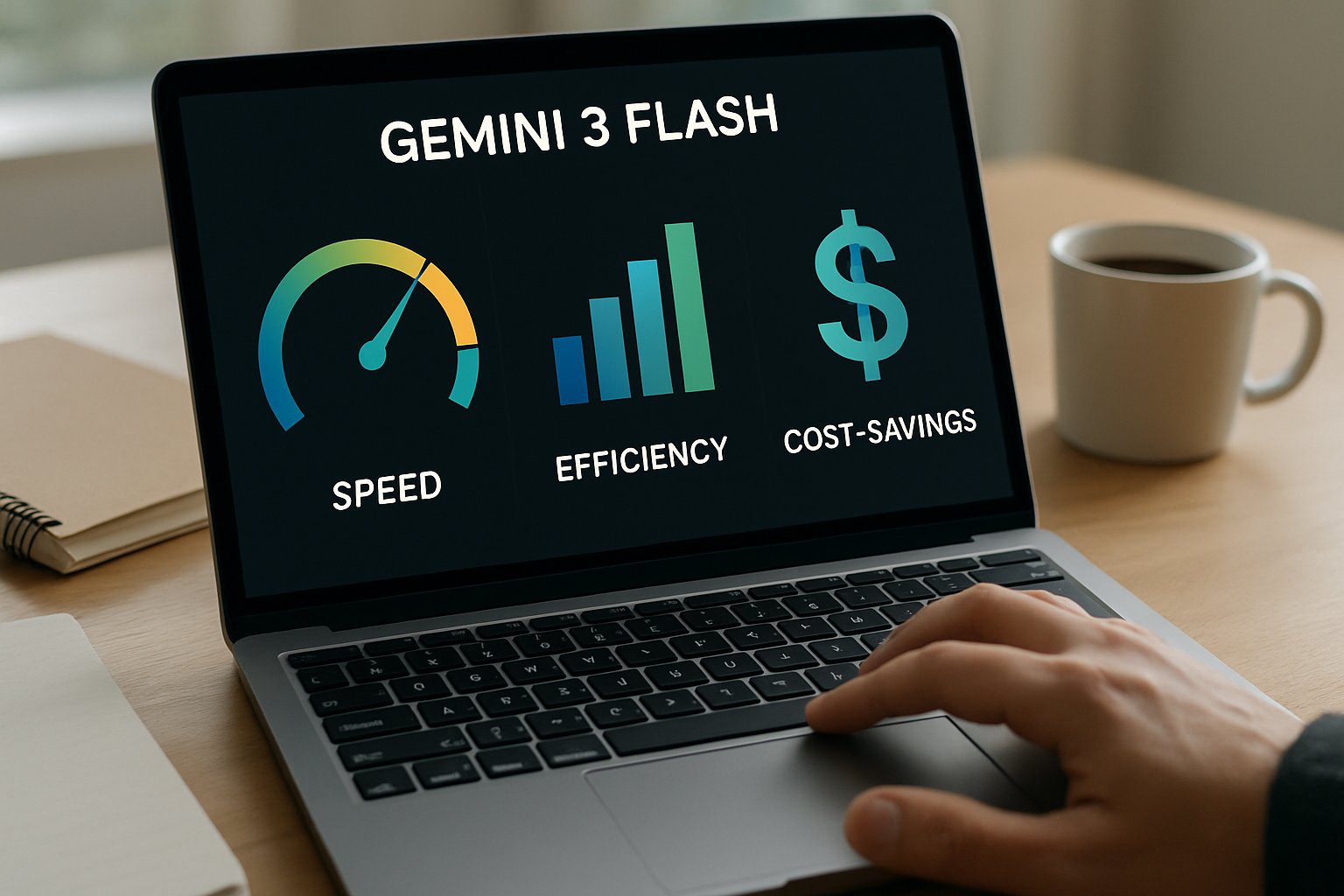
Speed, Cost, and Intelligence: How Kie.ai’s Gemini 3 Flash API Balances Performance and Budget for Developers

Speed, Cost, and Intelligence: How Kie.ai’s Gemini 3 Flash API Balances Performance and Budget for Developers

Integrating AI into applications is a balancing act between performance, cost, and intelligence. Traditionally, high-performance AI models come with steep costs
Share
Techbullion2026/03/12 16:55
Cash Flow Valuation HyperLiquid: Could $HYPE Reach $385 in Five Years?

Cash Flow Valuation HyperLiquid: Could $HYPE Reach $385 in Five Years?

Author: G3ronimo Compiled by: TechFlow HyperLiquid has grown into a mature crypto-native exchange, with the majority of its net fees programmatically distributed directly to token holders through an "Assistance Fund" (AF). This design makes $HYPE one of the few tokens capable of being valued based on cash flow. To date, most valuations of HyperLiquid have relied on traditional multiples, comparing it to established financial platforms like Coinbase and Robinhood, using EBITDA or revenue multiples as a reference. Unlike traditional corporate stocks, where management typically retains and reinvests earnings at their discretion, HyperLiquid systematically returns 93% of transaction fees directly to token holders through a support fund. This model creates predictable and quantifiable cash flows, making it well-suited for detailed discounted cash flow (DCF) analysis rather than static multiple comparisons. Our methodology begins by determining $HYPE's cost of capital. We then invert the current market price to determine the market-implied future earnings. Finally, we apply growth projections to these earnings streams and compare the resulting intrinsic value to today's market price, revealing the valuation gap between current pricing and fundamental value. Why choose discounted cash flow (DCF) over a multiple? While other valuation methods compare HyperLiquid to Coinbase and Robinhood via EBITDA multiples, these methods have the following limitations: The difference between the corporate and token structures: Coinbase and Robinhood are corporate stocks, whose capital allocation is guided by the board of directors, and profits are retained and reinvested by management; while HyperLiquid systematically returns 93% of trading fees directly to token holders through a relief fund. Direct Cash Flow: HyperLiquid's design generates predictable cash flows that are well-suited to DCF models, rather than static multiples. Growth and risk characteristics: DCFs are able to explicitly model different growth scenarios and risk adjustments, whereas multiples may not adequately capture growth and risk dynamics. Determining an appropriate discount rate To determine our cost of equity, we start with reference data from the public market and adjust for cryptocurrency-specific risks: Cost of equity (r) ≈ Risk-free rate + β × Market risk premium + Crypto/illiquidity premium Beta Analysis Based on regression analysis with the S&P 500: Robinhood (HOOD): Beta of 2.5, implied cost of equity of 15.6%; Coinbase (COIN): Beta of 2.0, implied cost of equity of 13.6%; HyperLiquid (HYPE): Beta is 1.38 and the implied cost of equity is 10.5%. At first glance, $HYPE appears to have a lower beta, and therefore a lower cost of equity than Robinhood and Coinbase. However, the R² value reveals an important limitation: HOOD: The S&P 500 explains 50% of its returns; COIN: The S&P 500 explains 34% of its return; HYPE: The S&P 500 only explains 5% of its returns. $HYPE’s low R² suggests that traditional stock market factors are insufficient to explain its price fluctuations, and crypto-native risk factors need to be considered. risk assessment Despite $HYPE’s lower beta, we still adjust its discount rate from 10.5% to 13% (which is more conservative compared to COIN’s 13.6% and HOOD’s 15.6%) for the following reasons: Lower governance risk: Direct programmatic distribution of 93% of fees reduces concerns about corporate governance. In contrast, COIN and HOOD do not return any earnings to shareholders, and their capital allocation is determined by management. Higher Market Risk: $HYPE is a crypto-native asset and is subject to additional regulatory and technological uncertainties. Liquidity considerations: Token markets are generally less liquid than established stock markets. Get the Market Implied Price (MIP) Using our 13% discount rate, we can reverse engineer the market’s implied earnings expectations at the current $HYPE token price of approximately $54: Current market expectations: 2025: Total revenue of $700 million 2026: Total revenue of $1.4 billion Terminal growth: 3% annual growth thereafter These assumptions yield an intrinsic value of approximately $54, which is consistent with current market prices. This suggests that the market is pricing in modest growth based on current fee levels. At this point we need to ask a question: Does the market-implied price (MIP) reflect future cash flows? Alternative growth scenarios @Keisan_Crypto presents an attractive 2-year and 5-year bull market scenario. Original tweet link: Click here Two-year bull market forecast According to @Keisan_Crypto’s analysis, if HyperLiquid achieves the following goals: Annualized fees: $3.6 billion Aid fund income: $3.35 billion (93% of fees) Result: HYPE's intrinsic value is $128 (140% undervalued at current price) Related links Five-year bull market scenario Under a five-year bull market scenario (link), he predicts that transaction fees will reach $10 billion annually, with $9.3 billion accruing to $HYPE. He assumes HyperLiquid's global market share will grow from its current 5% to 50% by 2030. Even if it doesn't reach 50% market share, these figures are still achievable with a smaller market share as global trading volumes continue to grow. Five-year bull market forecast Annualized fees: $10 billion Aid fund income: $9.3 billion Result: HYPE's intrinsic value is $385 (600% undervalued at current price) Related links While this valuation is lower than Keisan's $1,000 target, the difference stems from our assumption of normalized earnings growth at 3% annually thereafter, while Keisan's model uses a cash flow multiple. We believe using cash flow multiples to project long-term value is problematic, as market multiples are volatile and can vary significantly over time. Furthermore, the multiples themselves incorporate earnings growth assumptions, while using the same cash flow multiple five years from now as one or two years later implies that growth levels from 2030 onward will be consistent with those in 2026/2027. Therefore, the multiples are more appropriate for short-term asset pricing. However, regardless of which model is used, $HYPE remains undervalued; this is a subtle difference. Additional Value Driver: USDH Under the Native Market model, USDH will use 50% of its stablecoin revenue for buybacks similar to a bailout fund. As a result, $HYPE can increase its free cash flow by $100 million (50% of $200 million) annually. Looking ahead five years, if USDH's market capitalization reaches $25 billion (currently still one-third of USDC's, and an even smaller portion of the total stablecoin market five years from now), its annual revenue could reach $1 billion. Following the same 50% distribution model, this would generate an additional $500 million in free cash flow per year for the aid fund. This would value each token at over $400. Excluding Value Drivers: HIP-3 and HyperEVM This DCF analysis intentionally excludes two important potential value drivers that are not amenable to cash flow modeling. Clearly, these would provide additional incremental value and could therefore be evaluated separately using different valuation methodologies and then added to this valuation. Summarize Our DCF analysis indicates that if HyperLiquid can maintain its growth trajectory and market position, the $HYPE token is significantly undervalued. The token's unique feature of programmatic fee distribution makes it particularly suitable for cash flow-based valuation methodologies. Methodological Notes This analysis builds on research by @Keisan_Crypto and @GLC_Research. The DCF model is open source and can be modified at the following link: https://valypto.xyz/project/hyperliquid/oNQraQIg Market data and forecasts are subject to change, and models should be updated promptly based on the latest information.
Share
PANews2025/09/19 08:00
