

Poland’s Crypto Bill Triumph: Lower House Overrides Presidential Veto for MiCA Alignment

BitcoinWorld
Poland’s Crypto Bill Triumph: Lower House Overrides Presidential Veto for MiCA Alignment
In a decisive move for digital asset regulation, Poland’s lower house of parliament has re-passed the crucial Crypto-Asset Market Act. This action comes after President Andrzej Duda’s earlier veto, signaling a significant step toward aligning the nation with broader European standards. For crypto enthusiasts and investors watching Central Europe, this development marks a pivotal moment in regulatory clarity.
What Does Poland’s Crypto Bill Actually Do?
The primary goal of Poland’s crypto bill is straightforward: it seeks to harmonize the country’s digital asset regulations with the European Union’s Markets in Crypto-Assets (MiCA) framework. MiCA represents the EU’s comprehensive attempt to create a unified regulatory environment for cryptocurrencies across its member states. Therefore, Poland’s move is not just a national policy shift but a strategic alignment with a continental standard.
By adopting this framework, Poland aims to provide clear rules for crypto asset service providers (CASPs), enhance consumer protection, and establish oversight mechanisms. This legislative push demonstrates Poland’s commitment to integrating into the EU’s digital finance single market while managing the risks associated with crypto assets.
Why Was the Poland Crypto Bill Vetoed Initially?
President Andrzej Duda’s initial veto of the Poland crypto bill created temporary uncertainty. Reports suggested concerns may have involved:
- Technical Inconsistencies: Potential conflicts with existing national financial laws.
- Implementation Timeline: The speed and practicality of adopting the complex MiCA rules.
- National Sovereignty: Balancing EU directives with domestic policy control.
The lower house’s decision to re-pass the bill, however, shows a strong parliamentary consensus on its necessity. This override process highlights the legislative branch’s determination to proceed, sending the bill to the Senate for what is often a formality in the Polish system before it becomes law.
How Will the Poland Crypto Bill Impact the Market?
The successful passage of the Poland crypto bill is poised to create a more stable and attractive environment for cryptocurrency businesses and investors. Key impacts include:
- Legal Certainty: Companies operating in Poland will have a clear regulatory rulebook, reducing operational risks.
- Investor Confidence: Enhanced consumer protection rules should build trust among Polish retail investors.
- Market Growth: Regulatory clarity often attracts investment and fosters innovation in the fintech sector.
- EU Integration: Alignment with MiCA ensures Polish firms can operate seamlessly across the EU once the framework is fully active.
This move positions Poland as a forward-thinking participant in the EU’s digital finance landscape, rather than a laggard. For local crypto exchanges and wallet providers, the bill outlines specific licensing and operational requirements they must meet.
What Are the Next Steps for This Legislation?
With the lower house’s approval secured, the Poland crypto bill now moves to the Senate. While the Senate can propose amendments, the lower house’s strong re-passage vote suggests the bill is likely to proceed. Following Senate review, the legislation would return to the President for promulgation.
The timeline for full implementation will then depend on the specific transitional periods outlined in the bill. Poland, like other EU members, is working toward the MiCA framework’s full application, expected by 2025. This gives local businesses and regulators time to adapt to the new requirements.
Conclusion: A Regulatory Milestone for Poland
Poland’s determined push to pass its crypto bill, even after a presidential veto, underscores the growing importance of formal cryptocurrency regulation. By aligning with the EU’s MiCA, Poland is not just creating domestic rules but is locking into a larger, standardized system that promises greater market stability and cross-border operability. This legislative triumph reduces uncertainty and paves the way for a more mature and secure digital asset ecosystem in Central Europe.
Frequently Asked Questions (FAQs)
What is the Poland crypto bill?
The Poland crypto bill, formally the Crypto-Asset Market Act, is legislation designed to regulate digital assets within Poland by aligning national law with the European Union’s Markets in Crypto-Assets (MiCA) framework.
Why did the President veto the bill initially?
President Andrzej Duda vetoed the initial version, with analysts citing potential technical issues or concerns about the implementation timeline. The specific reasons were not fully detailed in public reports.
What happens now that the lower house has re-passed it?
The bill proceeds to the Polish Senate for deliberation. The Senate can approve, reject, or suggest amendments. Given the lower house’s strong vote, it is expected to pass.
How does this affect crypto users in Poland?
It will provide clearer consumer protections, define the legal status of cryptocurrencies, and establish rules for service providers, leading to a safer and more predictable environment for buying, selling, and holding crypto assets.
When will the new regulations take effect?
The exact date depends on the final legislative process and any transitional periods written into the law. The goal is to be aligned with the EU’s MiCA timeline, which is set for full implementation by 2025.
Does this mean Poland is fully compliant with MiCA?
Passing this bill is the major legislative step required for compliance. Once enacted and implemented, it will transpose the EU’s MiCA regulations into Polish national law.
Found this analysis of Poland’s crypto bill helpful? The regulatory landscape is evolving fast. Share this article on Twitter or LinkedIn to keep your network informed about crucial crypto regulations in Europe.
To learn more about the latest cryptocurrency regulatory trends, explore our article on key developments shaping global crypto policy and institutional adoption.
This post Poland’s Crypto Bill Triumph: Lower House Overrides Presidential Veto for MiCA Alignment first appeared on BitcoinWorld.
You May Also Like

Trading time: Tonight, the US GDP and the upcoming non-farm data will become the market focus. Institutions are bullish on BTC to $120,000 in the second quarter.

XRP Gains Momentum as Gemini Brings RLUSD to the Ledger for Instant, Low-Cost Settlements ⋆ ZyCrypto
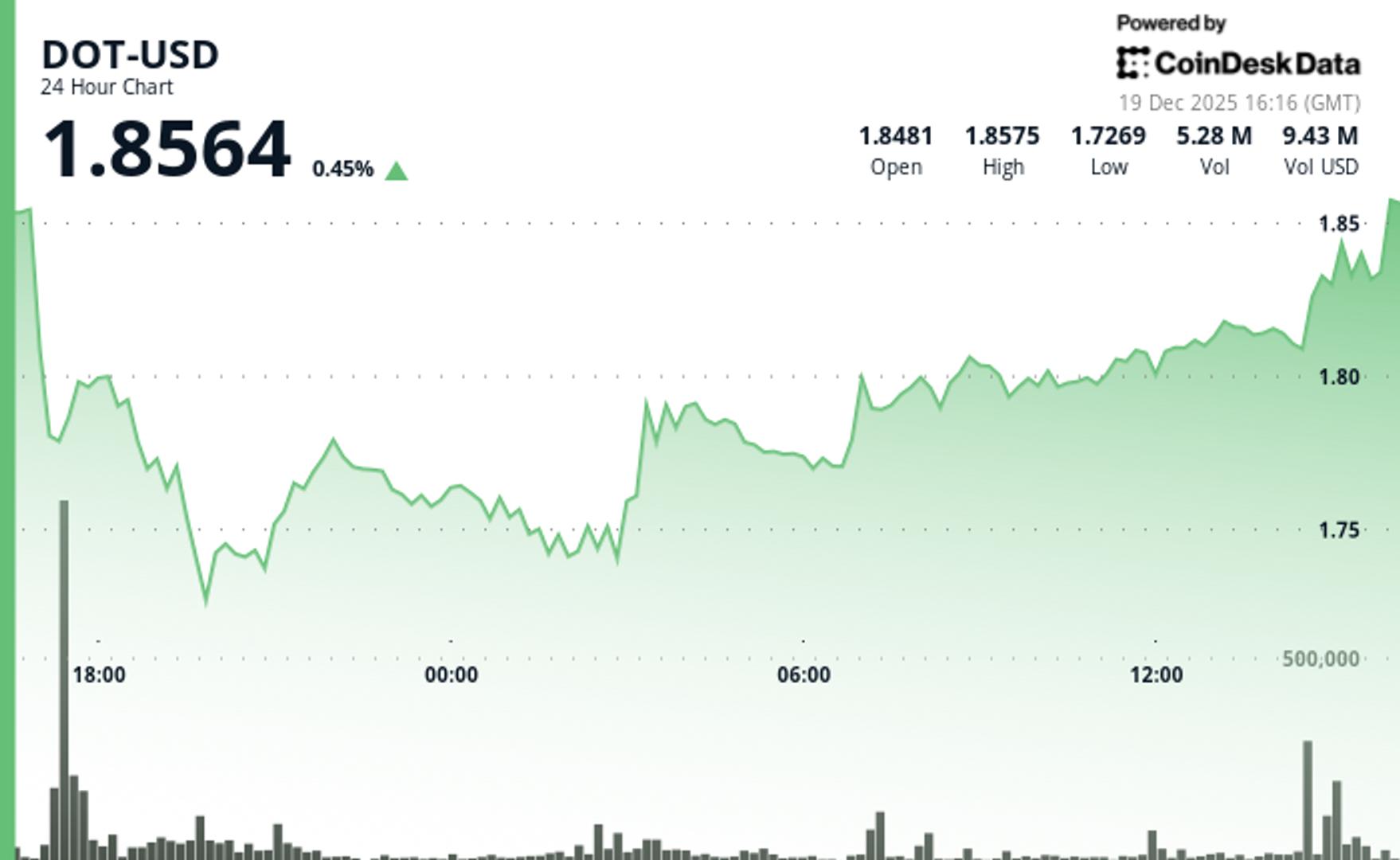
Polkadot's DOT holds steady with token unchanged over 24 hours
Copy linkX (Twitter)LinkedInFacebookEmail