BitcoinWorld Urgent Crypto Fraud Crackdown: US Senators Launch Bipartisan SAFE Act to Protect Investors In a decisive move to protect investors and bring orderBitcoinWorld Urgent Crypto Fraud Crackdown: US Senators Launch Bipartisan SAFE Act to Protect Investors In a decisive move to protect investors and bring order

Urgent Crypto Fraud Crackdown: US Senators Launch Bipartisan SAFE Act to Protect Investors
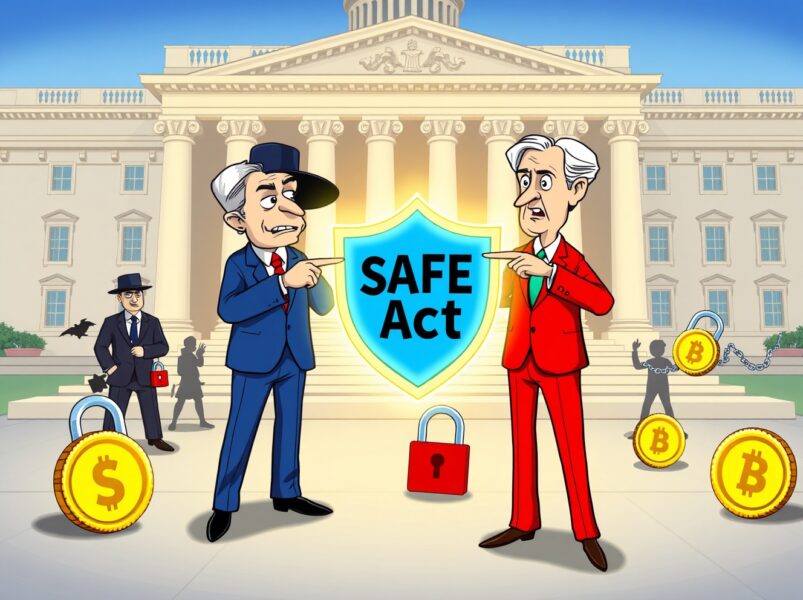
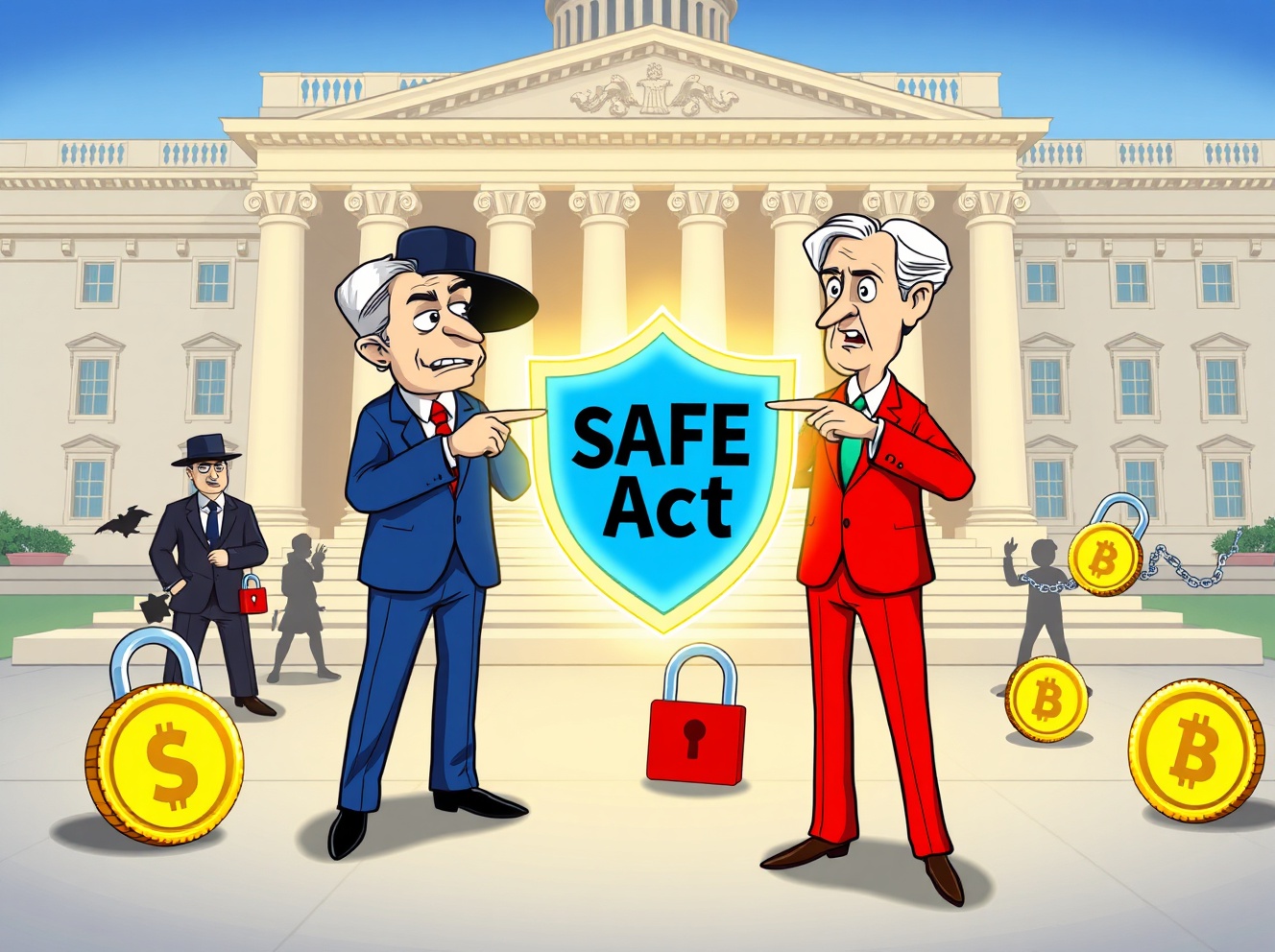
Cartoon illustration of the urgent US Senate crypto fraud crackdown through the SAFE Act bill.

BitcoinWorld

Urgent Crypto Fraud Crackdown: US Senators Launch Bipartisan SAFE Act to Protect Investors

In a decisive move to protect investors and bring order to the digital frontier, a bipartisan group of US senators has launched a powerful new legislative offensive. The target? The rampant scams and illicit activities plaguing the cryptocurrency space. This urgent crypto fraud crackdown represents a significant step toward legitimizing the industry while safeguarding the public.

What Is the New Senate Bill for a Crypto Fraud Crackdown?

Senators Elissa Slotkin (D) and Jerry Moran (R) have co-sponsored groundbreaking legislation known as the SAFE Act. This bill aims to establish a dedicated task force, creating a unified front against digital asset crime. The core mission is to track and disrupt illicit networks in real-time, moving faster than fraudsters can adapt.

The proposed task force would be a joint effort, combining the muscle of key government agencies with the technical expertise of private companies. This collaborative model is crucial for an effective crypto fraud crackdown, as it bridges the gap between traditional law enforcement and the complex, fast-moving world of blockchain technology.

How Will the SAFE Act Task Force Operate?

The legislation mandates cooperation between the U.S. Department of the Treasury, the Financial Crimes Enforcement Network (FinCEN), and other regulatory bodies. Their collective power will focus on several key areas:

  • Real-Time Intelligence Sharing: Breaking down silos between agencies and private firms to identify threats as they emerge.
  • Proactive Disruption: Moving beyond reaction to actively dismantling scam operations and money laundering networks.
  • Resource Pooling: Leveraging government authority and private-sector blockchain analytics to trace illicit funds.

This operational shift is vital. Traditional financial crime units often struggle with the pseudonymous and cross-border nature of crypto transactions. A specialized task force dedicated to this crypto fraud crackdown can develop the specific tools and knowledge needed to win.

Why Is This Bipartisan Move So Significant?

The collaboration between Democratic and Republican senators sends a powerful message: protecting Americans from financial fraud is a universal priority. This political unity increases the bill’s chances of progressing through a divided Congress. It signals that despite debates on broader crypto regulation, there is common ground on punishing clear-cut criminal activity.

For the average investor, this move is a potential game-changer. A successful crypto fraud crackdown could mean:

  • Fewer Scams: Reduced prevalence of phishing sites, fake exchanges, and rug pulls.
  • Increased Confidence: Greater trust in the crypto ecosystem, potentially leading to more mainstream adoption.
  • Clearer Rules: A defined framework for what constitutes fraud, providing clarity for legitimate projects.

What Are the Challenges Ahead?

While the intent is clear, the path forward has hurdles. Defining the scope of the task force’s authority without stifling innovation will be delicate. Furthermore, the global nature of crypto means international cooperation is essential; a US-only crypto fraud crackdown has limited reach.

Another challenge is resource allocation. Building and maintaining a team with the required cutting-edge technical skills requires significant and sustained funding. The bill’s success will depend on whether Congress backs its creation with the necessary budget.

The Bottom Line: A Step Toward Legitimacy

The introduction of the SAFE Act is more than just a new law; it’s a statement. It acknowledges cryptocurrency’s permanence in the financial landscape and the government’s responsibility to police it effectively. This proactive crypto fraud crackdown aims to separate the transformative potential of blockchain technology from the criminals who seek to exploit it.

For the industry, this could be the catalyst for a new era of maturity. By aggressively weeding out bad actors, the space can better focus on building useful, secure, and trustworthy applications for everyone.

Frequently Asked Questions (FAQs)

Q1: What does the SAFE Act stand for?
A1: While the full name hasn’t been widely published in initial reports, “SAFE” in this context is understood to relate to securing assets from fraud and exploitation in the cryptocurrency space.

Q2: How will this task force affect legitimate crypto users and businesses?
A2: The goal is to target criminal activity, not legitimate use. For lawful businesses and users, a reduced fraud environment should increase trust and stability. However, they may see more stringent compliance requirements for transactions.

Q3: Can this task force actually track anonymous crypto transactions?
A3: While not perfectly anonymous, blockchain transactions are pseudonymous and traceable. By partnering with private blockchain analytics firms, the task force will use sophisticated tools to follow the money, making large-scale fraud much harder to hide.

Q4: What types of crypto fraud is this bill aimed at?
A4: It targets a wide range, including investment scams (rug pulls, fake projects), phishing attacks, ransomware payments, and the use of crypto in money laundering and sanctions evasion.

Q5: What’s the next step for the SAFE Act?
A5: The bill has been introduced. It must now pass through committee hearings, possible amendments, and votes in both the Senate and the House of Representatives before it can be signed into law by the President.

Q6: Does this mean the US government is against cryptocurrency?
A6: Not necessarily. This is a targeted action against fraud, not a ban on the technology. Many view it as a necessary step for building a safe, regulated market that can grow sustainably, similar to early regulations in traditional finance.

Found this breakdown of the new Senate crypto fraud crackdown helpful? The fight against scams affects everyone in the digital asset space. Share this article on your social media to help inform your network about this critical development in crypto regulation and investor protection.

To learn more about the latest cryptocurrency regulatory trends, explore our article on key developments shaping blockchain policy and institutional adoption.

This post Urgent Crypto Fraud Crackdown: US Senators Launch Bipartisan SAFE Act to Protect Investors first appeared on BitcoinWorld.

Market Opportunity
Talus Logo
Talus Price(US)
$0.01376
$0.01376$0.01376
+12.14%
USD
Talus (US) Live Price Chart
Disclaimer: The articles reposted on this site are sourced from public platforms and are provided for informational purposes only. They do not necessarily reflect the views of MEXC. All rights remain with the original authors. If you believe any content infringes on third-party rights, please contact service@support.mexc.com for removal. MEXC makes no guarantees regarding the accuracy, completeness, or timeliness of the content and is not responsible for any actions taken based on the information provided. The content does not constitute financial, legal, or other professional advice, nor should it be considered a recommendation or endorsement by MEXC.

You May Also Like

Crucial Insights: Two Fed Interest Rate Cuts on the Horizon?
Crucial Insights: Two Fed Interest Rate Cuts on the Horizon?

BitcoinWorld Crucial Insights: Two Fed Interest Rate Cuts on the Horizon? The financial world is buzzing with discussions around the future of monetary policy, and a recent statement from a key Federal Reserve official has added fuel to the fire. Investors, businesses, and consumers alike are keenly watching for signals regarding potential Fed interest rate cuts and their broader economic implications. What’s Driving Talk of Fed Interest Rate Cuts? Neel Kashkari, the president of the Minneapolis Federal Reserve Bank, recently made headlines by stating his belief that two additional Fed interest rate cuts would be appropriate this year. This isn’t the first time Kashkari has shared this perspective; he expressed a similar view back in August. His comments offer a glimpse into the ongoing internal debates and varying outlooks among policymakers regarding the optimal path for the nation’s economy. Understanding the context behind such statements is crucial. The Federal Reserve uses interest rates as a primary tool to manage inflation and support employment. When inflation is high, the Fed typically raises rates to cool down economic activity. Conversely, when economic growth slows or inflation targets are met, the Fed might consider cutting rates to stimulate spending and investment. How Do Fed Interest Rate Cuts Impact You? The prospect of Fed interest rate cuts carries significant weight for everyone. For instance, lower interest rates generally translate to: Cheaper Borrowing: Mortgages, car loans, and credit card interest rates can decrease, making it more affordable for consumers to borrow money. This can encourage home buying and larger purchases. Business Investment: Companies find it less expensive to borrow for expansion, new projects, and hiring, potentially boosting economic growth and job creation. Stock Market Performance: Lower rates can make bonds less attractive, pushing investors towards stocks, which might see increased valuations. This can also signal a more optimistic economic outlook. Savings Account Returns: On the flip side, interest rates on savings accounts and Certificates of Deposit (CDs) might also fall, offering lower returns for savers. These ripple effects touch various sectors, from housing to retail, and even extend into the cryptocurrency markets, where investor sentiment is often influenced by broader economic conditions and liquidity. Navigating the Economic Landscape: Why Are Policymakers Divided on Fed Interest Rate Cuts? While some policymakers, like Kashkari, see the appropriateness of multiple Fed interest rate cuts, others may hold different views. The Federal Reserve’s decisions are complex, balancing the need to control inflation with the goal of maintaining maximum employment. Key factors influencing these decisions include: Inflation Data: The pace at which inflation is returning to the Fed’s 2% target is a primary concern. Sustained progress is needed. Employment Figures: A strong job market might give the Fed more leeway to keep rates higher for longer, whereas signs of weakness could prompt cuts. Global Economic Conditions: International economic trends and geopolitical events can also influence the Fed’s domestic policy decisions. Market Expectations: The Fed also considers how financial markets are pricing in future rate movements, aiming to avoid undue volatility. The path forward is rarely straightforward, and the Fed’s approach is often described as data-dependent, meaning decisions can shift as new economic information becomes available. The Outlook for Future Fed Interest Rate Cuts Kashkari’s consistent view on two Fed interest rate cuts this year provides an important perspective, but it’s essential to remember that he is one voice among many on the Federal Open Market Committee (FOMC). The committee as a whole determines monetary policy through a consensus-driven process. As the year progresses, market participants will be closely monitoring upcoming inflation reports, employment data, and official Fed statements for further clarity. The timing and magnitude of any potential rate adjustments will significantly shape the economic environment, influencing everything from investment strategies to everyday household budgets. In summary: Neel Kashkari’s consistent advocacy for two Fed interest rate cuts this year highlights a potential shift in monetary policy. These cuts, if they materialize, could offer relief to borrowers, stimulate economic activity, and impact various markets. However, the ultimate decision rests with the broader Federal Reserve committee, which weighs a multitude of economic indicators before acting. Frequently Asked Questions (FAQs) Q1: What does it mean when the Fed cuts interest rates? When the Federal Reserve cuts interest rates, it generally means they are reducing the cost for banks to borrow money. This, in turn, often leads to lower interest rates for consumers and businesses on loans like mortgages, car loans, and credit cards, aiming to stimulate economic activity. Q2: Why would the Fed consider two Fed interest rate cuts this year? The Fed might consider two interest rate cuts if they believe inflation is consistently moving towards their 2% target, or if there are signs of slowing economic growth that could benefit from stimulation. Policymakers like Kashkari may feel the current rates are too restrictive given the economic outlook. Q3: How quickly do Fed interest rate cuts affect the economy? The effects of Fed interest rate cuts can be seen relatively quickly in financial markets, but they typically take several months to fully filter through to the broader economy, impacting consumer spending, business investment, and inflation. Q4: Will Fed interest rate cuts impact my cryptocurrency investments? While not a direct impact, Fed interest rate cuts can indirectly affect cryptocurrency markets. Lower traditional interest rates might make riskier assets like cryptocurrencies more attractive to investors seeking higher returns. Additionally, a more liquid and stimulated economy can sometimes boost overall market sentiment, benefiting crypto assets. Q5: Who is Neel Kashkari? Neel Kashkari is the president of the Federal Reserve Bank of Minneapolis. He is one of the twelve regional Federal Reserve Bank presidents who contribute to the Federal Open Market Committee (FOMC) discussions, which set the nation’s monetary policy. Did you find this article insightful? Share your thoughts and help others understand the potential impact of future Fed decisions! You can share this article on your favorite social media platforms. To learn more about the latest crypto market trends, explore our article on key developments shaping Bitcoin price action. This post Crucial Insights: Two Fed Interest Rate Cuts on the Horizon? first appeared on BitcoinWorld.
Share
Coinstats2025/09/19 19:35
US Senators Introduce SAFE Crypto Act to Target Rising Crypto Scams

US Senators Introduce SAFE Crypto Act to Target Rising Crypto Scams

The post US Senators Introduce SAFE Crypto Act to Target Rising Crypto Scams appeared first on Coinpedia Fintech News Crypto scams are getting faster, smarter and
Share
CoinPedia2025/12/17 18:33
Crypto.com Data Leak Revealed: Hidden Attack Exposed by Bloomberg

Crypto.com Data Leak Revealed: Hidden Attack Exposed by Bloomberg

Bloomberg exposes Crypto.com’s 2023 user data leak. The perpetrators used phishing to access employee accounts, compromising privacy. A data breach that occurred in 2023 at Crypto.com compromised the personal information of its users, according to a disclosure by Bloomberg.  The hacking was planned by a well-known hacker organization known as Scattered Spider.  This team was […] The post Crypto.com Data Leak Revealed: Hidden Attack Exposed by Bloomberg appeared first on Live Bitcoin News.
Share
LiveBitcoinNews2025/09/23 03:00