

Bitcoin Price Plummets: BTC Falls Below $89,000 in Sudden Market Shift
BitcoinWorld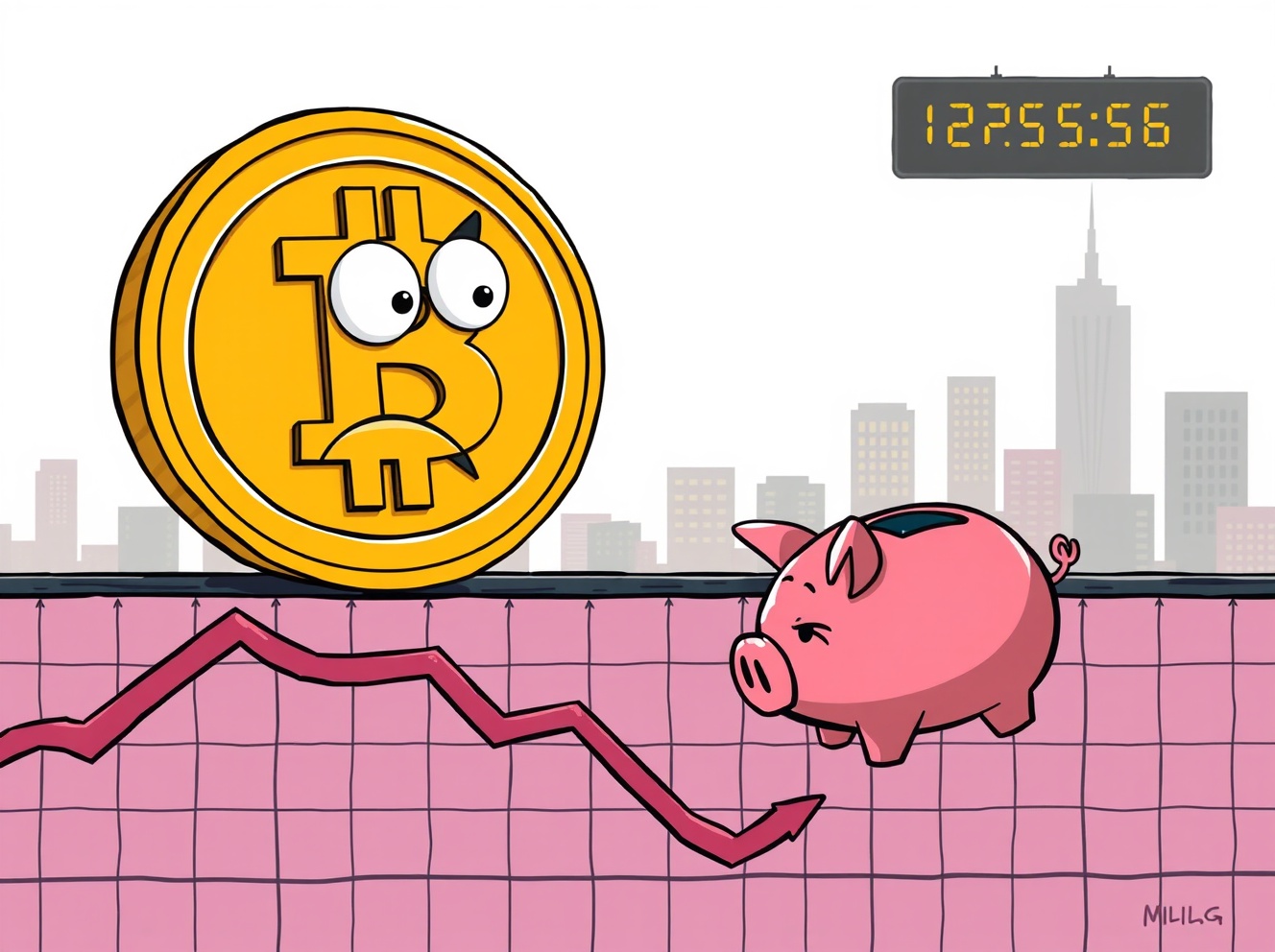
Bitcoin Price Plummets: BTC Falls Below $89,000 in Sudden Market Shift
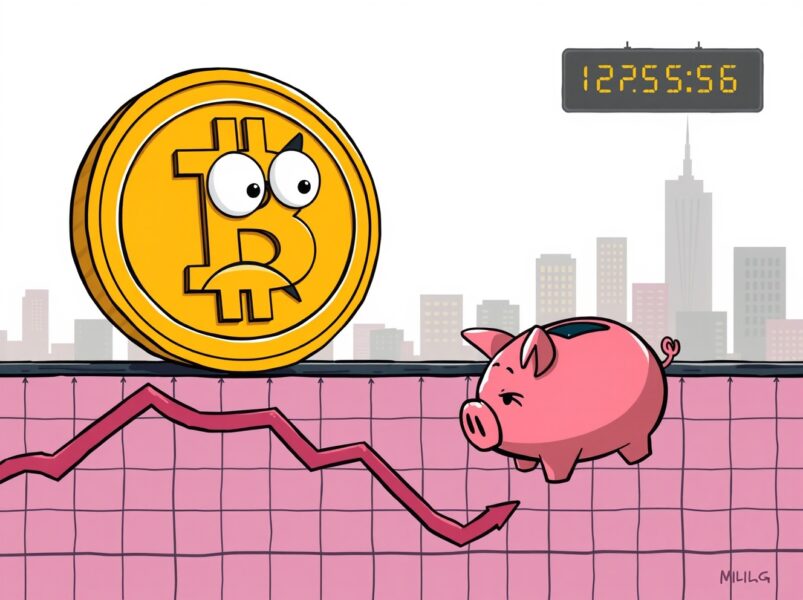
The cryptocurrency market experienced a sudden jolt as the Bitcoin price tumbled below the critical $89,000 support level. According to real-time data from Binance’s USDT market, BTC is currently trading at $88,842.41. This move has sent ripples through the digital asset space, prompting investors to ask: what’s driving this decline, and what comes next?
Why Did the Bitcoin Price Drop Below $89,000?
Market movements are rarely caused by a single event. Therefore, understanding the Bitcoin price action requires looking at several potential factors. A key level like $89,000 often acts as both support and resistance. When it breaks, it can trigger automated sell orders, accelerating the downward move.
Other common contributors to such shifts include:
- Broader Market Sentiment: Negative news or risk-off sentiment in traditional finance can spill over into crypto.
- Profit-Taking: After a period of gains, some investors may be locking in profits, increasing selling pressure.
- Liquidity and Leverage: High leverage in the market can lead to cascading liquidations when the price moves sharply.
What Does This Mean for Bitcoin Investors?
For holders, a dip in the Bitcoin price can be a test of conviction. However, volatility is a fundamental characteristic of the cryptocurrency market. Historically, Bitcoin has experienced significant pullbacks during its long-term bull cycles. This current movement may represent a healthy correction rather than a trend reversal.
Key considerations for investors now include:
- Portfolio Review: Assess your risk exposure and ensure your allocation aligns with your long-term strategy.
- Dollar-Cost Averaging (DCA): For some, a lower Bitcoin price presents an opportunity to accumulate at a discount using a disciplined DCA approach.
- Market Fundamentals: Look beyond the price chart. Network activity, adoption trends, and macroeconomic factors often provide a clearer long-term picture.
Is This a Buying Opportunity or a Warning Sign?
This is the crucial question on every trader’s mind. The answer depends heavily on your investment horizon and risk tolerance. Short-term traders might see increased volatility as a chance for quick gains, but it comes with higher risk. Long-term investors, often called ‘HODLers,’ might view this as a minor setback in a multi-year journey.
Remember, past performance does not guarantee future results. Conduct your own research and never invest more than you can afford to lose. The Bitcoin price is influenced by a complex web of global factors, making precise predictions impossible.
Navigating Market Volatility with Confidence
Ultimately, successful crypto investing is less about timing every dip and peak and more about having a solid plan. The drop below $89,000 is a stark reminder of the market’s inherent unpredictability. By focusing on education, sound risk management, and a long-term perspective, you can navigate these waves without letting fear or greed dictate your decisions.
Frequently Asked Questions (FAQs)
Q1: How low could the Bitcoin price go after breaking $89,000?
A: It’s impossible to predict with certainty. The next major support levels are often watched, but price action depends on market sentiment, news flow, and trading volume. Always be prepared for further volatility in either direction.
Q2: Should I sell my Bitcoin now to avoid more losses?
A: This is a personal financial decision. Panic selling at a loss is rarely a good strategy. Review your original investment thesis. If the long-term fundamentals you believed in are still intact, a price drop may not warrant a sale.
Q3: What are the main technical levels to watch now?
A: Traders will now watch how the price behaves around $88,000 and $85,000 as potential support. On the upside, reclaiming $89,000 and then $90,000 would be seen as a sign of strength.
Q4: Does this price drop affect other cryptocurrencies?
A: Typically, yes. Bitcoin is the market leader. A significant move in the Bitcoin price often pulls the entire crypto market, including Ethereum and major altcoins, in the same direction, a phenomenon known as ‘Bitcoin dominance.’
Q5: Where can I get reliable, real-time Bitcoin price data?
A: Use reputable cryptocurrency data aggregators like CoinMarketCap or CoinGecko, or check the spot price on major exchanges like Binance, Coinbase, or Kraken for the most accurate, real-time information.
Found this analysis helpful? The crypto market moves fast, and knowledge is power. Share this article with fellow investors on Twitter, LinkedIn, or Telegram to help them understand the latest Bitcoin price action and make informed decisions.
To learn more about the latest Bitcoin trends, explore our article on key developments shaping Bitcoin price action and long-term adoption.
This post Bitcoin Price Plummets: BTC Falls Below $89,000 in Sudden Market Shift first appeared on BitcoinWorld.
You May Also Like

The Channel Factories We’ve Been Waiting For


Waarom BTC niet stijgt: OG holders verkopen massaal call opties
