

Critical Warning: 7 Chinese Financial Groups Slam RWA Tokenization and Crypto Activities
BitcoinWorld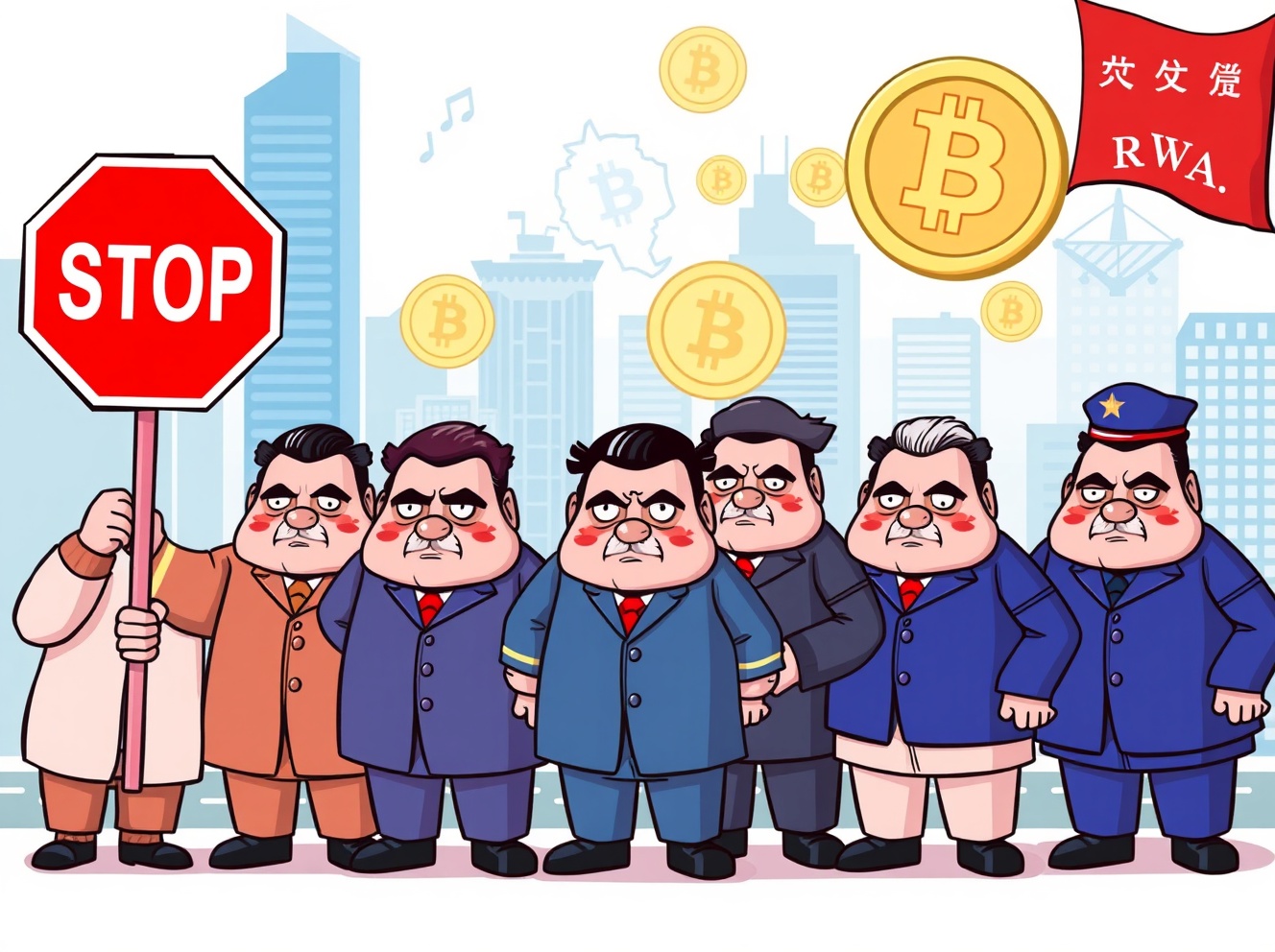
Critical Warning: 7 Chinese Financial Groups Slam RWA Tokenization and Crypto Activities
In a decisive move that reinforces China’s unwavering stance, a powerful coalition of seven major financial associations has issued a stark warning. Their target? The burgeoning world of cryptocurrency, with a specific focus on the tokenization of real-world assets (RWA). This announcement sends a clear message to the global market: China’s crypto ban is not just active; it’s intensifying.
What Exactly Did the Chinese Financial Groups Warn Against?
On December 5th, a united front including the China Internet Finance Association made their position crystal clear. According to state media Xinhua, they explicitly warned the public against participating in or supporting any transactions involving RWA tokenization. However, their warning cast a much wider net. The groups declared all cryptocurrency-related business activities as illegal within China’s borders.
This comprehensive prohibition includes:
- Stablecoin operations and transactions
- Cryptocurrency airdrops and promotions
- Digital asset mining activities
- Any platform facilitating RWA tokenization
Why is RWA Tokenization a Major Concern for China?
The specific mention of RWA tokenization is significant. This process involves converting rights to a physical asset—like real estate, art, or commodities—into a digital token on a blockchain. Globally, it’s seen as a bridge between traditional finance and decentralized technology. For Chinese regulators, however, it represents a potential threat to financial stability and monetary sovereignty.
The associations emphasized a core legal principle: virtual assets do not possess the same status as the official Chinese Yuan. They cannot be used as a lawful means of circulation in the economy. This fundamental distinction is at the heart of China’s restrictive policy.
Is This a New Policy or a Reinforced Stance?
This warning is not an isolated event. It acts as a powerful reinforcement of existing policy. The statement directly follows earlier announcements from the People’s Bank of China (PBOC) regarding a strict crackdown on illegal virtual asset activities, particularly those involving stablecoins.
Therefore, the December 5th warning serves a dual purpose:
- Clarification: It removes any ambiguity about the legality of new crypto concepts like RWA tokenization.
- Deterrence: It aims to deter both domestic participants and foreign entities from testing the boundaries of China’s regulations.
What Are the Global Implications of This Warning?
China’s position creates a fascinating dichotomy in the global crypto landscape. While other major economies are working on regulatory frameworks for RWA tokenization and digital assets, China is drawing a firm line. This stance influences global markets in several ways. It limits a massive pool of potential users and capital from participating in certain crypto sectors. Conversely, it may accelerate innovation and adoption in regions with more favorable regulations.
For international projects involved in RWA tokenization, the message is clear: the Chinese market remains strictly off-limits under current rules. Any attempt to circumvent these regulations risks severe penalties.
Conclusion: A Unwavering Stance in a Shifting World
The coordinated warning from seven financial associations underscores China’s consistent and uncompromising approach to cryptocurrency. By explicitly naming RWA tokenization alongside mining and stablecoins, authorities are closing potential loopholes before they widen. For investors and industry observers, this development reaffirms that navigating the crypto space requires careful attention to jurisdictional boundaries. China’s path remains distinctly separate, prioritizing state control over financial innovation in the digital asset realm.
Frequently Asked Questions (FAQs)
Q1: What is RWA tokenization?
A1: RWA tokenization is the process of converting ownership rights of a physical, real-world asset (like property, gold, or invoices) into a digital token that can be traded on a blockchain.
Q2: Why is China specifically warning against RWA tokenization?
A2: Regulators see it as a high-risk activity that could undermine financial stability, facilitate capital flight, and challenge the monopoly of the official Chinese currency.
Q3: Does this mean all crypto activity is illegal for Chinese citizens?
A3: Yes. The warning reiterates that all cryptocurrency-related business activities are illegal. However, owning crypto assets as a personal holding in a foreign jurisdiction exists in a legal gray area, though accessing platforms to trade them is blocked.
Q4: How does this warning affect global crypto markets?
A4: It reinforces China as a closed market, which can impact liquidity and sentiment for projects focused on RWA tokenization and other sectors. It may also push innovation to other regions.
Q5: Have there been any recent crackdowns?
A5: Yes. The People’s Bank of China has recently announced intensified crackdowns on illegal activities involving virtual assets, indicating ongoing enforcement.
Q6: Could China’s policy on crypto ever change?
A6: While always a possibility, the consistent and escalating nature of these warnings suggests a change is unlikely in the near to medium term. The state’s priority remains control over its financial system.
Found this analysis of China’s critical stance on RWA tokenization insightful? The regulatory landscape is constantly shifting. Help others stay informed by sharing this article on your social media channels like Twitter or LinkedIn.
To learn more about the latest global regulatory trends, explore our article on key developments shaping cryptocurrency adoption and policy worldwide.
This post Critical Warning: 7 Chinese Financial Groups Slam RWA Tokenization and Crypto Activities first appeared on BitcoinWorld.
You May Also Like

Shocking OpenVPP Partnership Claim Draws Urgent Scrutiny

Softer CPI keeps PBoC easing in play – TD Securities
