From Sci-Fi to Reality: How Close Are We to Calling the Moon Home?
For most of human history, the Moon was just a light in the night sky.
\ Mysterious, distant, and unreachable. Then came 1969, when Neil Armstrong left a footprint and a famous line, and for a brief moment, it felt like we’d already started building the future. But after six Apollo landings, we stopped going. No cities. No bases. Just some flags, rovers, and a trail of dust.
Fast-forward to today, and suddenly the Moon is back in the spotlight. NASA aims to have astronauts living there by the end of this decade. China and Russia are drafting plans for a permanent base. Even private companies are pitching hotels and mining outposts.
So the question is, are we finally about to turn the Moon into more than just a stopover and catch up with the science fiction stories that always imagined we would?
\
The Moon in Sci-Fi vs Reality
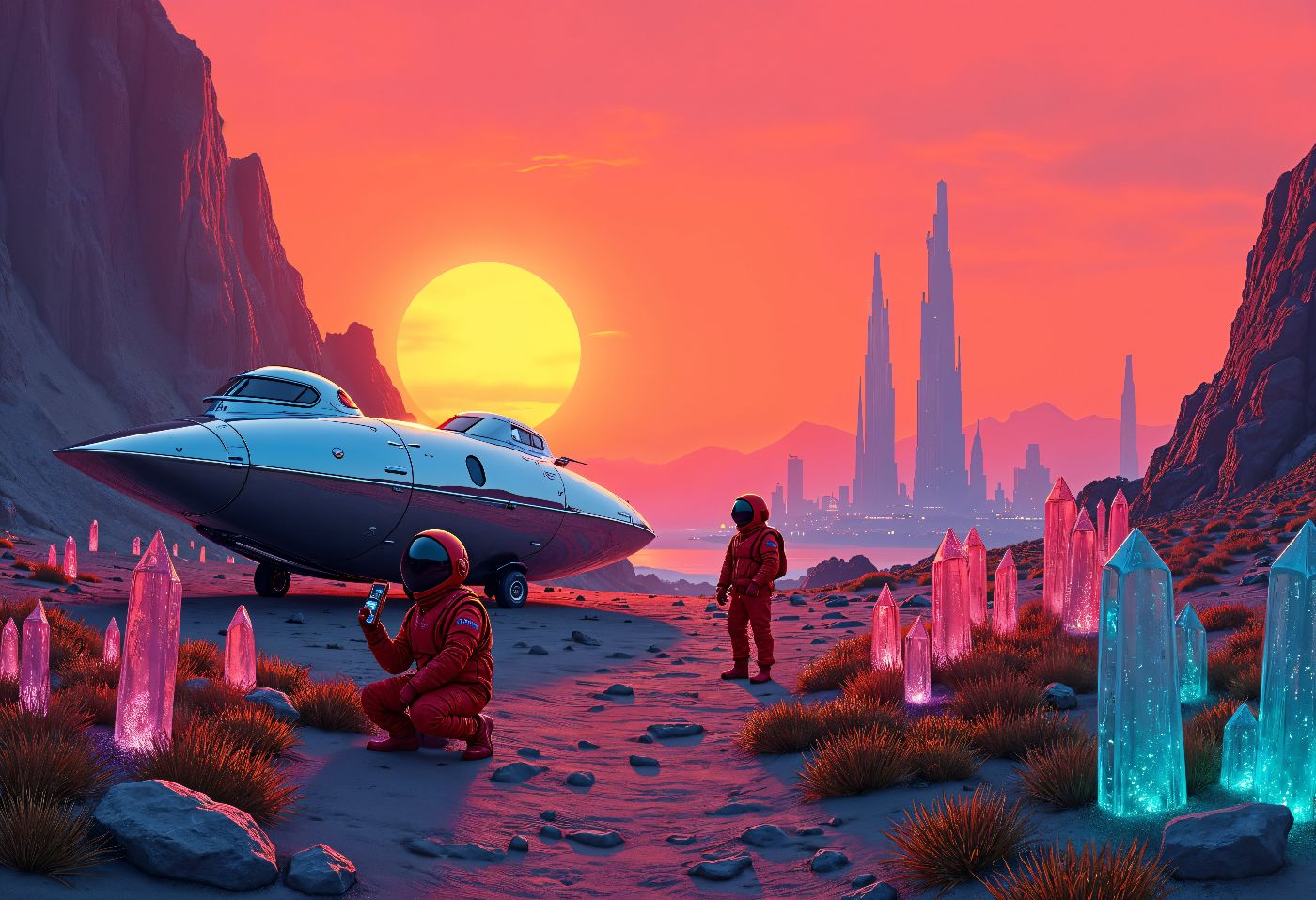
Movies always make the Moon look like a cool second home with big glass domes, people driving rovers, and cities built in craters. It feels normal in sci-fi, like we should already be living there.
\ 
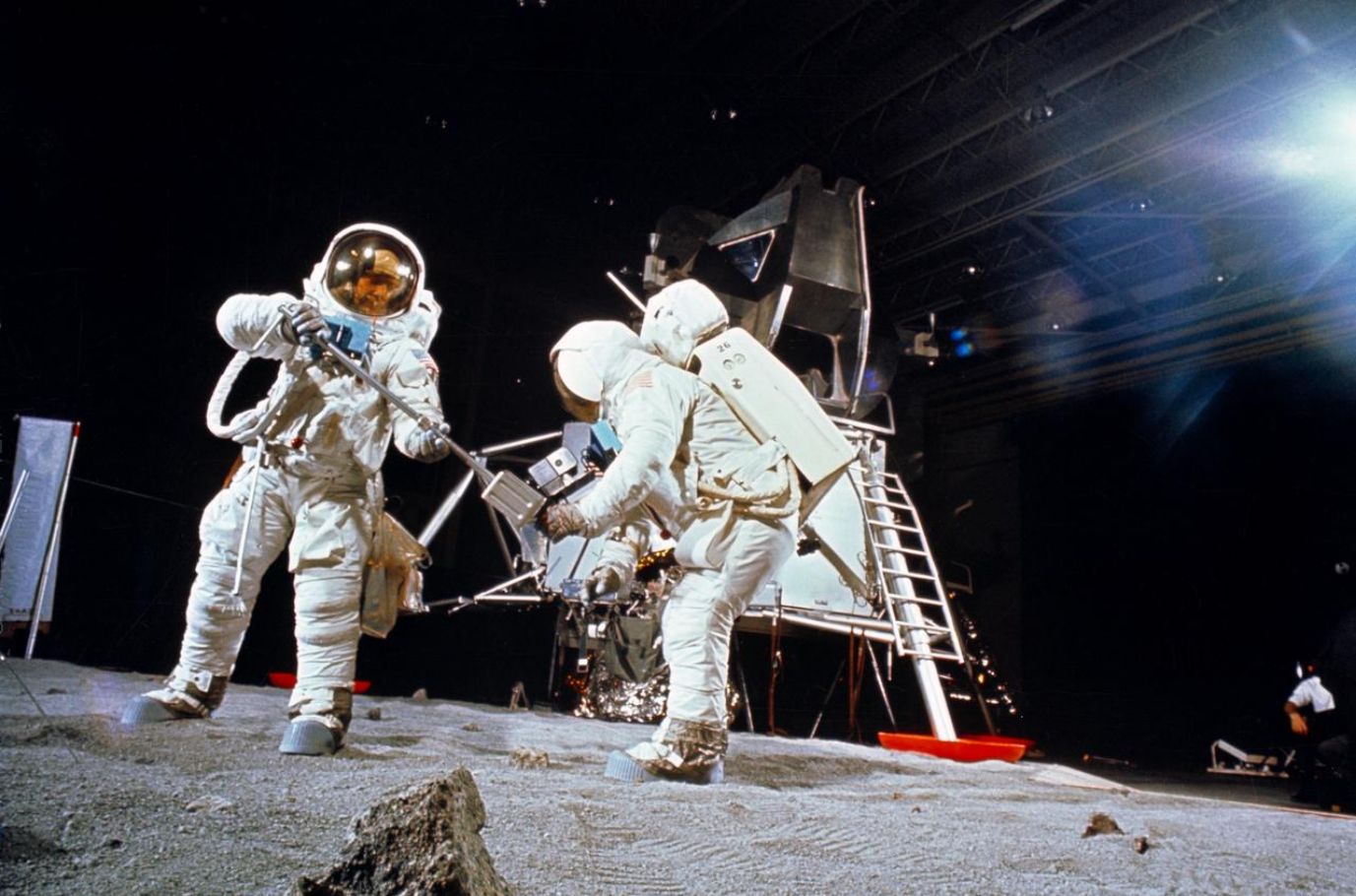
\ But in Reality? Not even close. The last time humans touched the Moon was way back in 1972.
Since then, it’s been quiet, with only robots and satellites doing the visiting.
\ 
\ Here’s where it gets interesting: what used to be just imagination is now turning into real plans. NASA, SpaceX, and others are working on ideas for Moon bases, power stations, and supply chains.
Slowly, the sci-fi version of the Moon doesn’t look so far-fetched anymore.
\
The State of Play: Where We Are Now
We’re entering a new lunar era. NASA’s Artemis program is leading the charge, with plans to send astronauts back to the Moon in the next few years, including the first woman and the first person of color.
Artemis II, a crewed flyby, is targeted for 2026, while Artemis III aims for a landing by 2027–2028 using SpaceX’s Starship lander.
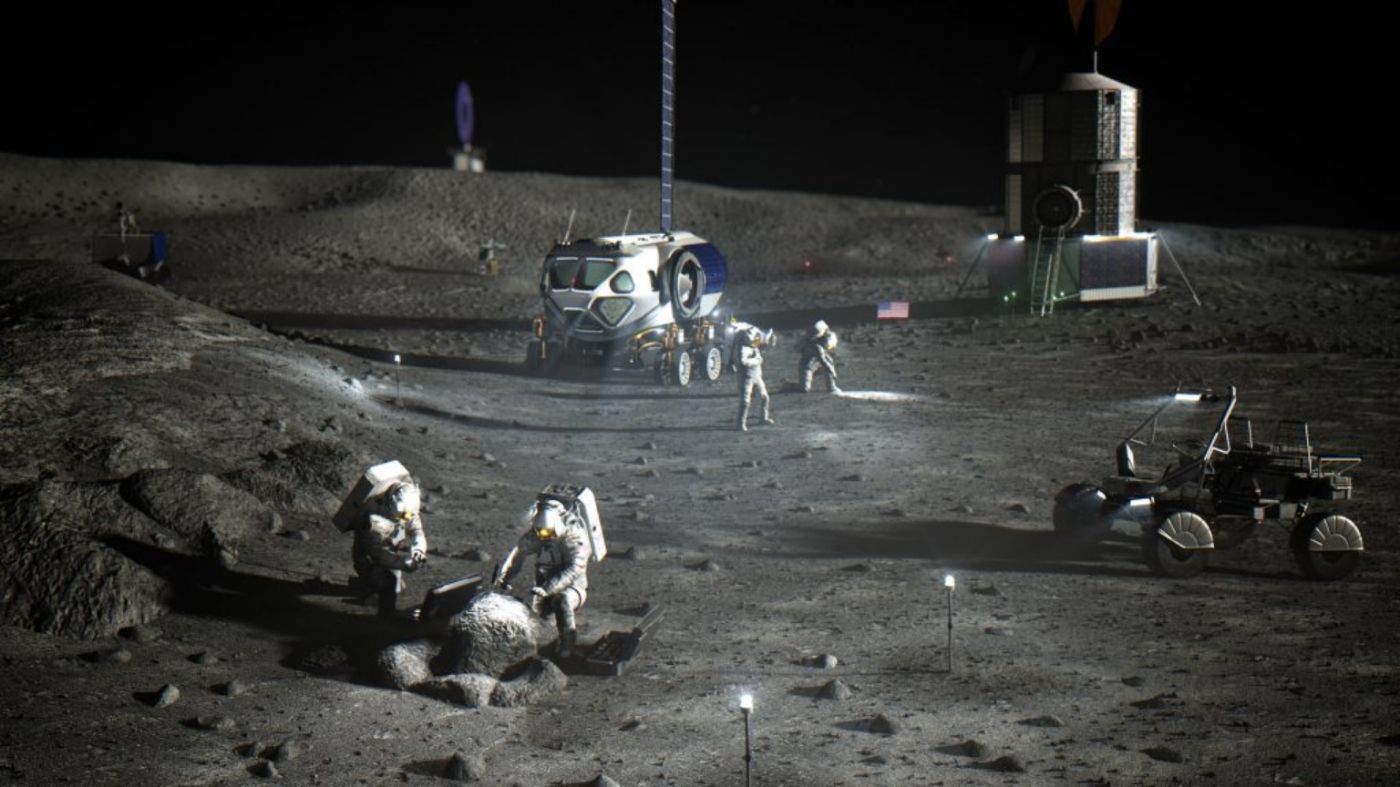
By the 2030s, NASA hopes to set up an Artemis “Base Camp” near the Moon’s south pole, a habitat, rover, and mobile lab designed to let astronauts live and work there for weeks at a time.
\ 
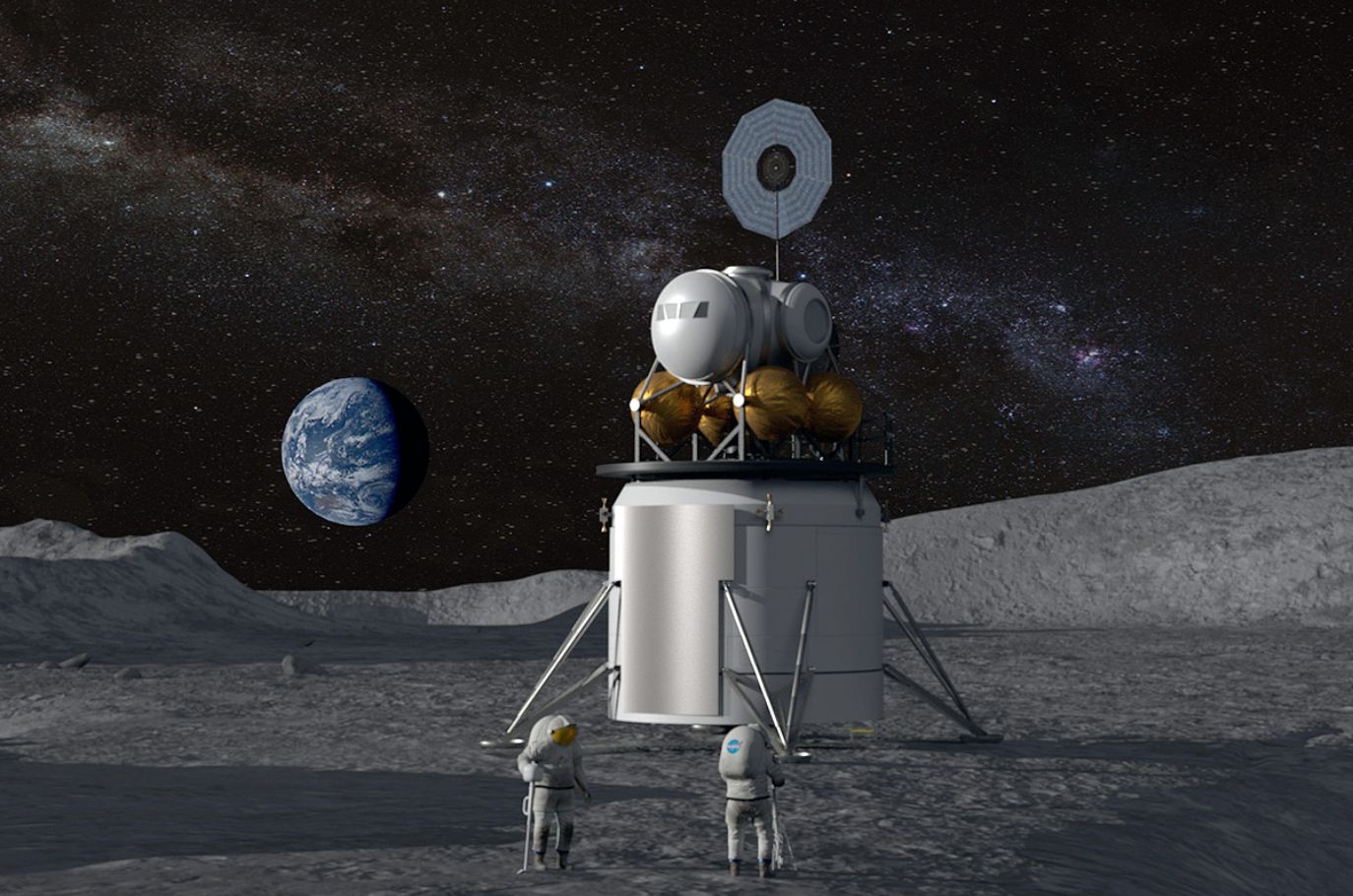
\ NASA isn’t working alone. Through its Commercial Lunar Payload Services (CLPS) program, it’s hiring private companies like Blue Origin to deliver cargo and tech to the lunar surface. For example, NASA’s VIPER rover, which will hunt for ice, is set to land at the south pole by 2027. NASA is also building the Lunar Gateway, a small space station that will orbit the Moon and serve as a pit stop for future missions.
\ 
Meanwhile, China is quickly catching up. It’s aiming to land humans on the Moon by 2030, with missions like Chang’e-8 (in 2028) to test technology for a permanent base. Together with Russia, China has floated plans for a nuclear-powered International Lunar Research Station by 2035. India is setting its sights on a human landing by 2040 with a “moon station” in orbit, and South Korea is planning a robotic lander by 2032 and a lunar base by 2045.
On the industry side, the space economy is exploding. SpaceX’s Starship will mark the first time a private spacecraft carries astronauts to the Moon. Companies like Blue Origin, Intuitive Machines, and Astrobotic are also building landers and rovers, many under NASA contracts. With reusable rockets, 3D-printed habitats, and growing commercial investment, building a lunar base is shifting from a far-off dream to a near-future reality.
\
What It Takes to Stay on the Moon
Building a home on the Moon isn’t just about planting a flag; it’s about figuring out how people can actually live there. Right now, Artemis astronauts will only camp inside their lander for short trips, but the long-term vision is bigger. NASA’s “Artemis Base Camp” includes a small cabin for four people, a rover, and even inflatable or mobile living units that work almost like space RVs. To make that possible, engineers are working on ways to recycle air and water, and maybe even grow food, so crews don’t have to carry every single supply from Earth.
\ Power is another huge challenge. The lunar south pole has sunlight for weeks at a time, which is perfect for tall solar panels that track the Sun. But in the dark craters where water ice might be found, solar won’t cut it.
That’s why NASA and the Department of Energy are also testing small nuclear reactors that could provide constant power. At the same time, scientists are looking at living off the land. Lunar soil isn’t just dust, it contains water and could even be used to turn astronauts’ exhaled carbon dioxide into oxygen or fuel. Since it costs tens of thousands of dollars just to send a single gallon of water from Earth, this could completely change the game.
\ And then there’s the environment. The Moon is harsh. There’s no natural shield from radiation, so astronauts may need walls made from packed lunar dust to protect them. Even the ground itself isn’t always stable.
Researchers have found that the Moon still experiences “moonquakes,” small tremors that could damage buildings if bases are built in risky areas. That means choosing the right location and designing strong, resilient structures will be just as important as getting rockets off the launch pad.
\
Are We There Yet?
So, are we finally about to live on the Moon?
Not quite, but we’re closer than ever. The first Artemis missions will still be short visits with small crews, and a full base probably won’t show up until the mid-2030s. Still, the progress is undeniable. Landers are touching down, rovers are heading out to search for ice, and rockets like SpaceX’s Starship are getting ready to deliver supplies.
This is a long journey, not a quick leap. Every mission, whether it’s a rover, a cargo drop, or a short crew stay, pushes us one step closer to turning the Moon into our first real home beyond Earth. What once lived only in science fiction is now on the drawing board of engineers.
What we should be asking isn’t if we’ll build a lunar base, but when. And when that happens, it won’t just be about the Moon, it’ll be the launchpad for everything that comes next in space.
You May Also Like

Top Solana Treasury Firm Forward Industries Unveils $4 Billion Capital Raise To Buy More SOL ⋆ ZyCrypto

Fed Lowers Rates By 25bps: How Bitcoin And Crypto Prices Responded And What’s Next