

Shocking Berachain Investment Protection: Brevan Howard’s Refund Clause Revealed

BitcoinWorld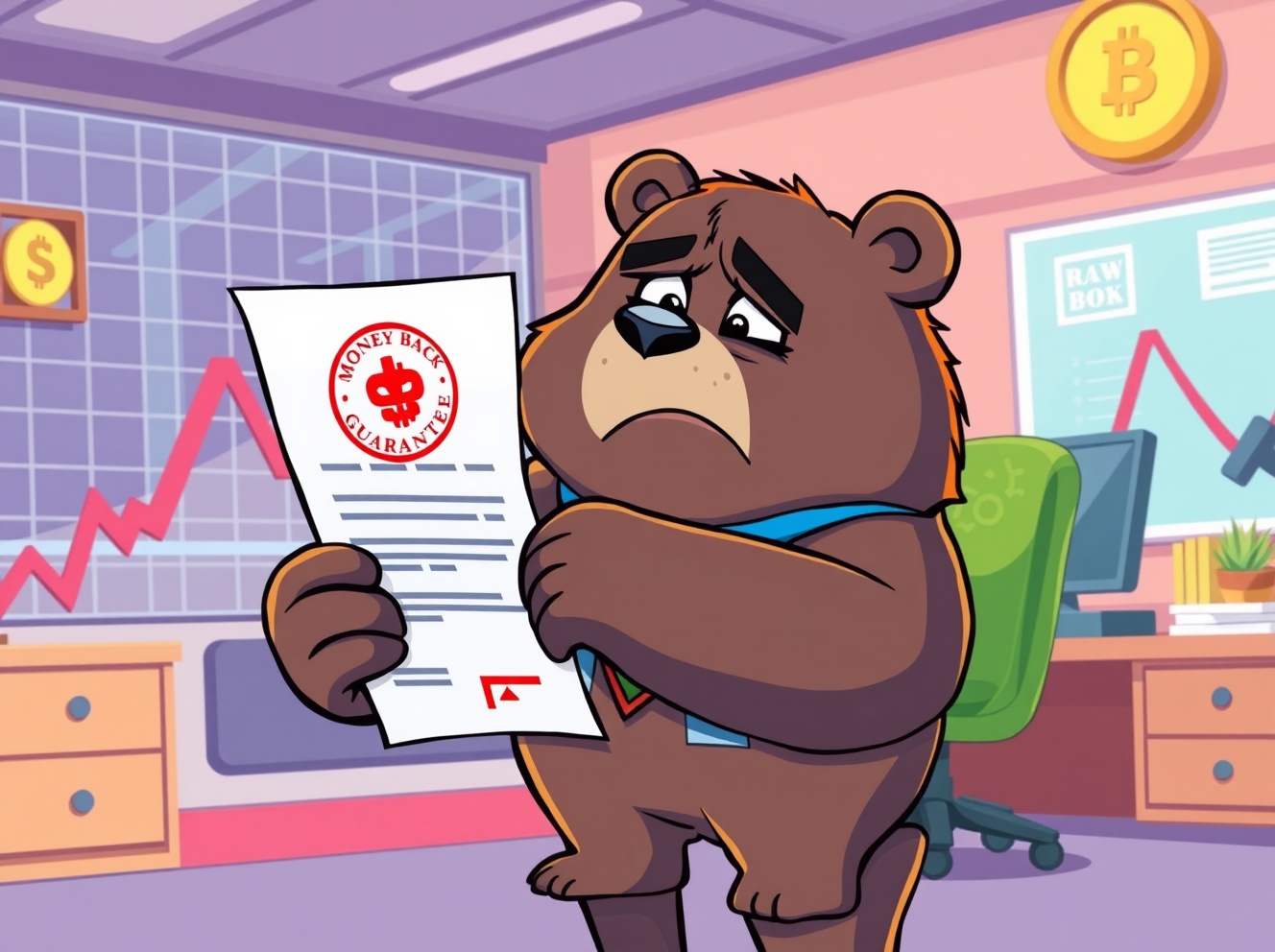
Shocking Berachain Investment Protection: Brevan Howard’s Refund Clause Revealed
Institutional cryptocurrency investments just got a surprising safety net. Brevan Howard’s significant Berachain investment comes with an unprecedented refund option that could reshape how major players approach blockchain ventures. This protective clause emerges as BERA tokens trade dramatically below the asset manager’s purchase price.
What Makes This Berachain Investment Different?
According to documents obtained by Unchained, Brevan Howard’s 2024 agreement includes a refund clause valid for one year following BERA token launch. The Block further clarified this right extends until February 6, 2026. This protection mechanism represents a novel approach to institutional cryptocurrency exposure.
The refund option provides crucial downside protection during market volatility. Currently, BERA trades around $1 per token – approximately 67% below Brevan Howard’s $3 entry price. This substantial discount highlights why the refund clause matters for major investors.
How Does the Berachain Investment Structure Work?
Brevan Howard’s subsidiary, Nova Digital, co-led Berachain’s $69 million Series B funding round. The arrangement demonstrates how sophisticated investors are building safeguards into their blockchain commitments.
- One-year refund window post-token launch
- Exercise deadline: February 6, 2026
- Current token price: ~$1 (67% below investment price)
- Initial investment price: $3 per token
This structure allows Brevan Howard to reassess their Berachain investment after observing real-market performance. The approach balances blockchain innovation enthusiasm with traditional investment caution.
Why Would Investors Need Berachain Investment Protection?
Cryptocurrency markets remain notoriously volatile. Even promising projects can face significant price pressure after token launches. The refund clause acknowledges this reality while supporting blockchain development.
Brevan Howard’s decision reflects growing institutional interest in cryptocurrency, tempered by risk management practices. Their Berachain investment demonstrates how major financial players are adapting traditional investment frameworks to digital assets.
This protective approach might influence future blockchain funding rounds. Other institutional investors may demand similar terms when making substantial cryptocurrency commitments.
What Does This Mean for Crypto Investment Trends?
The refund clause represents an evolution in institutional cryptocurrency strategy. Rather than avoiding blockchain projects entirely, sophisticated investors are developing creative protection mechanisms.
This Berachain investment structure could become more common as traditional finance embraces digital assets. The approach balances innovation support with capital preservation – a combination that appeals to risk-conscious institutions.
Moreover, the current price discrepancy highlights market sentiment challenges. Even well-funded projects can struggle to maintain valuation amid broader cryptocurrency market conditions.
Key Takeaways for Crypto Investors
Brevan Howard’s protected Berachain investment offers several important lessons:
- Institutional investors are demanding better terms in cryptocurrency deals
- Downside protection matters even for promising blockchain projects
- Market performance can diverge significantly from private round valuations
- Sophisticated investors balance innovation enthusiasm with risk management
This case study demonstrates how cryptocurrency investment practices are maturing. As blockchain technology evolves, so do the financial structures supporting its development.
Frequently Asked Questions
What is the Brevan Howard Berachain refund clause?
Brevan Howard’s investment agreement includes a provision allowing them to request a refund within one year of BERA token launch, with a final deadline of February 6, 2026.
How much below investment price is BERA trading?
BERA currently trades around $1 per token, approximately 67% below Brevan Howard’s $3 investment price.
Who co-led Berachain’s Series B funding?
Brevan Howard’s subsidiary Nova Digital co-led the $69 million Series B funding round for Berachain.
Why include a refund clause in cryptocurrency investments?
Refund clauses provide downside protection in volatile cryptocurrency markets, allowing institutional investors to manage risk while supporting blockchain innovation.
Could this investment structure become more common?
Yes, as institutional cryptocurrency investment grows, protective mechanisms like refund clauses may become more standard in major funding rounds.
What happens if Brevan Howard exercises the refund option?
If exercised, Brevan Howard would receive their investment back, though specific terms and conditions would apply as outlined in their agreement.
Found this analysis insightful? Share this article with fellow cryptocurrency enthusiasts and investors on your social media channels to spread knowledge about evolving investment protections in the blockchain space.
To learn more about the latest cryptocurrency investment trends, explore our article on key developments shaping institutional adoption and risk management strategies.
This post Shocking Berachain Investment Protection: Brevan Howard’s Refund Clause Revealed first appeared on BitcoinWorld.
Jums taip pat gali patikti

TrendX Taps Trusta AI to Develop Safer and Smarter Web3 Network

Nvidia wants to boost H200 chip production to appease China
