

Philippines Energy Emergency: President Marcos Jr. Declares Critical National Crisis
BitcoinWorld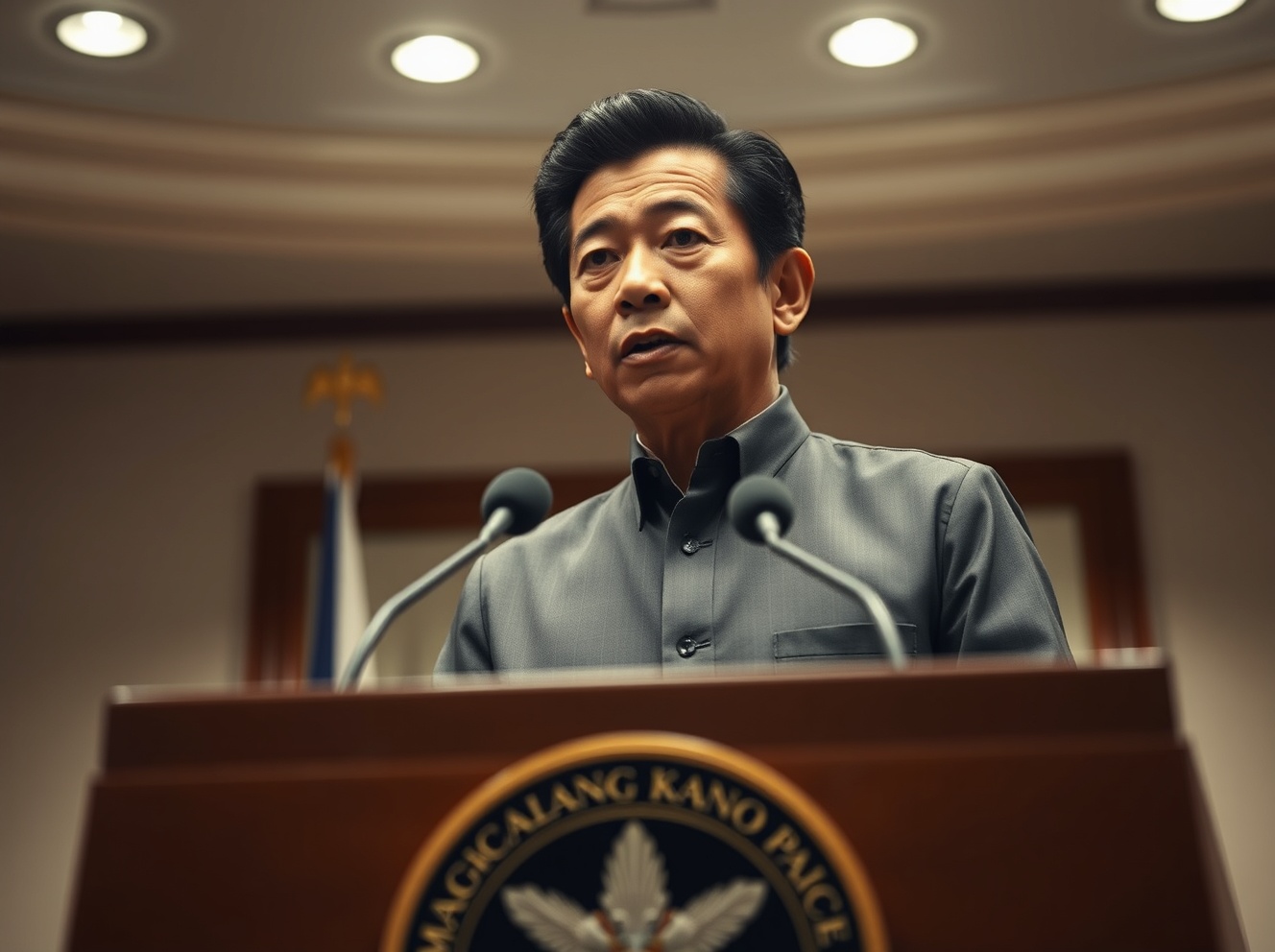
Philippines Energy Emergency: President Marcos Jr. Declares Critical National Crisis
MANILA, Philippines – President Ferdinand “Bongbong” Marcos Jr. has formally declared a national energy emergency, a decisive move confirming the severity of the country’s escalating power crisis. This announcement, reported by state media, triggers a coordinated government response to address immediate shortages and long-term energy security vulnerabilities.
Understanding the Philippines Energy Emergency Declaration
The presidential proclamation activates special powers under existing laws. Consequently, the government can now implement rapid measures to secure additional power supply. Historically, such declarations are rare and signal systemic, rather than temporary, challenges. The Department of Energy will lead the emergency task force, focusing on stabilizing the national grid.
Furthermore, this situation stems from a confluence of critical factors. A prolonged dry season has drastically reduced hydropower output. Simultaneously, unscheduled outages at several aging coal-fired plants have removed gigawatts of capacity from the Luzon grid. The Visayas and Mindanao regions also face similar, though less publicized, supply constraints.
Root Causes of the National Power Crisis
Analysts point to deep-seated structural issues within the Philippine energy sector. For decades, the country has struggled with insufficient investment in new baseload power generation. Additionally, the transition to renewable sources has progressed slower than planned. The national grid’s vulnerability to extreme weather events, a symptom of climate change, exacerbates these foundational problems.
A short table illustrates the capacity deficit:
| Region | Peak Demand (MW) | Available Supply (MW) | Deficit |
|---|---|---|---|
| Luzon Grid | 12,500 | 11,200 | -1,300 MW |
| Visayas Grid | 2,400 | 2,150 | -250 MW |
| Mindanao Grid | 2,100 | 1,950 | -150 MW |
This supply gap forces the grid operator to implement rotating brownouts, disrupting daily life and business operations nationwide.
Expert Analysis on Economic and Social Impact
Economists warn the energy crisis could stifle post-pandemic economic recovery. Manufacturing hubs report production slowdowns due to unreliable power. The retail and service sectors face higher operational costs from running backup generators. Moreover, households, especially low-income families, bear the brunt of both power interruptions and potential tariff hikes.
Energy policy experts emphasize the declaration’s importance. It allows for faster procurement processes and temporary relaxation of some regulations. This step could enable the government to lease or commission modular power plants urgently. However, experts also caution that emergency measures must align with the country’s long-term clean energy goals to avoid locking in fossil fuel dependency.
Government Response and Mitigation Strategies
The Marcos administration has outlined a multi-pronged strategy. Immediate actions include:
- Activating the Interruptible Load Program (ILP), where large businesses use their own generators to relieve grid stress.
- Accelerating the commissioning of new power projects already in the pipeline.
- Exploring emergency power supply agreements with existing generation companies.
Simultaneously, the government is pushing for longer-term solutions. These involve fast-tracking permits for renewable energy projects like solar and wind farms. The strategy also includes upgrading transmission infrastructure to reduce technical losses and improve grid resilience.
Public advisories have been issued, calling for voluntary conservation. Officials urge reduced use of high-consumption appliances during peak hours. The public response has been a mix of concern and cooperation, as communities prepare for possible extended outages.
Conclusion
President Ferdinand Marcos Jr.’s declaration of a national energy emergency marks a critical juncture for the Philippines. It underscores the urgent need to address both immediate power shortages and the structural weaknesses of the national energy system. The success of the government’s response will significantly impact economic stability, public welfare, and the nation’s trajectory toward a secure and sustainable energy future. The world watches as the archipelago navigates this complex crisis.
FAQs
Q1: What does a national energy emergency mean for ordinary citizens?
It means the government recognizes a severe threat to power supply. Citizens should expect possible rotating brownouts, public calls for energy conservation, and the activation of contingency plans to minimize disruption to essential services.
Q2: What legal powers does this declaration give the President?
The declaration, based on the Electric Power Industry Reform Act (EPIRA) and other laws, allows the executive branch to implement extraordinary measures. These can include streamlining procurement for new power capacity, directing grid operations, and mobilizing resources to secure emergency supply.
Q3: How long is this energy emergency expected to last?
While the immediate crisis response may last weeks or months, addressing the root causes of the Philippine energy crisis is a long-term endeavor. The emergency status will likely remain until grid reliability is restored and reserve margins are deemed sufficient.
Q4: Will electricity prices increase because of this emergency?
There is a significant risk of higher generation costs, which may be passed on to consumers. Emergency power purchases and the use of expensive diesel-fired generators typically increase the overall cost of electricity in the market.
Q5: What are the main obstacles to solving the Philippines’ energy problems?
Key obstacles include high upfront costs for new power plants, lengthy permitting processes, regulatory challenges, and the geographical difficulty of connecting the nation’s many islands into a resilient grid. Investment in both generation and modern transmission infrastructure is crucial.
This post Philippines Energy Emergency: President Marcos Jr. Declares Critical National Crisis first appeared on BitcoinWorld.
You May Also Like

Coinbase Slams ‘Patchwork’ State Crypto Laws, Calls for Federal Preemption

Time Management For Entrepreneurs

