The post Scammers are using new malware to steal crypto login appeared on BitcoinEthereumNews.com. Crypto scammers are now using a new malware to steal crypto loginsThe post Scammers are using new malware to steal crypto login appeared on BitcoinEthereumNews.com. Crypto scammers are now using a new malware to steal crypto logins

Scammers are using new malware to steal crypto login

Crypto scammers are now using a new malware to steal crypto logins from traders and investors in the crypto gaming industry. According to research from cybersecurity firm Kaspersky, the scammers are inserting malware into pirate mods for Roblox and other games to steal crypto login credentials from users.

According to a post from Kaspersky, there is now a new variety of infostealer called Stealka, which it has so far encountered on distribution platforms like GitHub, SourceForge, Softpedia, and sites.google.com. The malware is disguised as unofficial mods, cheats, and cracks for Windows-based games and other apps. Stealka is used by scammers to exfiltrate sensitive login and browser information, which they in turn use to steal digital assets.

Scammers deploy new malware to steal digital assets

The malware primarily targets data contained in browsers such as Chrome, Opera, Firefox, Edge, Yandex, Brave, as well as the settings and databases of over 100 browser extensions. The extensions include digital asset wallets from Binance, Crypto.com, MetaMask, and Trust Wallet. It also targets password managers like LastPass, NordPass, and 1Password, and 2FA apps like Google Authenticator, Authy, and Bitwarden.

In addition, Kaspersky noted that Stealka doesn’t stop with browser extensions, noting that it can also lift encrypted private keys, seed phrase data, and wallet file paths from standalone cryptocurrency wallet apps. This includes applications like MyCrypto, MyMonero, Binance, Exodus, as well as other applications for Bitcoin, Ethereum, Solar, Novacoin, Monero, Dogecoin, and BitcoinABC.

Kaspersky cybersecurity expert Artem Ushkov explained that the new malware was detected by the company’s endpoint solutions for Windows machines in November. The Stealka malware can also steal data and authentication tokens for messaging apps like Discord and Telegram, password managers, email clients like Mailbird and Outlook, note taking applications like StickyNotes on Microsoft, Notezilla, NoteFly, and VPN clients like Windscribe, OpenVPN, and ProtonVPN.

Ushkov details the activities of the malware

According to Ushkov, the malware is based in Russia, targeting mainly users from that region. However, attacks by the malware have also been detected in other countries, including Türkiye, Brazil, Germany, and India,” he added. In view of this threat, Kaspersky has advised users to stay away from ploys by scammers trying to use this malware and others to steal their credentials. They have urged users to stay away from unofficial or pirated mods, noting the need to use antivirus software from reputable companies.

The blog also advised users against storing important and sensitive information in browsers, asking them to employ the use of two-factor authentication wherever available. In addition, they are asked to use backup codes in most situations, urging them not to store these codes on browsers or in text documents. In addition, users are enjoined to be watchful of where they download games and other files from, noting that these scammers play on users’ need to download free files from unofficial sources.

In a popular case mentioned by authorities this week, an entrepreneur based in Singapore lost his entire crypto portfolio after downloading a fake game. The entrepreneur said he came across a beta testing opportunity for Telegram in an online game called MetaToy. He noted that he felt the game was genuine because of some metrics, including the appearance of its website and the activity of its Discord. However, after downloading the game launcher, he unknowingly installed malware, which wiped more than $14,189 in crypto from his system.

While scammers can use Stealka to steal personal info and digital assets, there is no indication that it has done any huge damage, the cybersecurity expert noted. “We are not aware of the amount of crypto that has been stolen using it,” said Ushkov. “Our solutions protect against this threat: all detected Stealka malware was blocked by our solutions.” This means that it remains unknown if scammers have used the malware to steal digital assets and the scale of their theft.

Get $50 free to trade crypto when you sign up to Bybit now

Source: https://www.cryptopolitan.com/scammers-new-malware-to-steal-crypto-login/
Market Opportunity
Nowchain Logo
Nowchain Price(NOW)
$0.00209
$0.00209$0.00209
-0.47%
USD
Nowchain (NOW) Live Price Chart
Disclaimer: The articles reposted on this site are sourced from public platforms and are provided for informational purposes only. They do not necessarily reflect the views of MEXC. All rights remain with the original authors. If you believe any content infringes on third-party rights, please contact service@support.mexc.com for removal. MEXC makes no guarantees regarding the accuracy, completeness, or timeliness of the content and is not responsible for any actions taken based on the information provided. The content does not constitute financial, legal, or other professional advice, nor should it be considered a recommendation or endorsement by MEXC.

You May Also Like

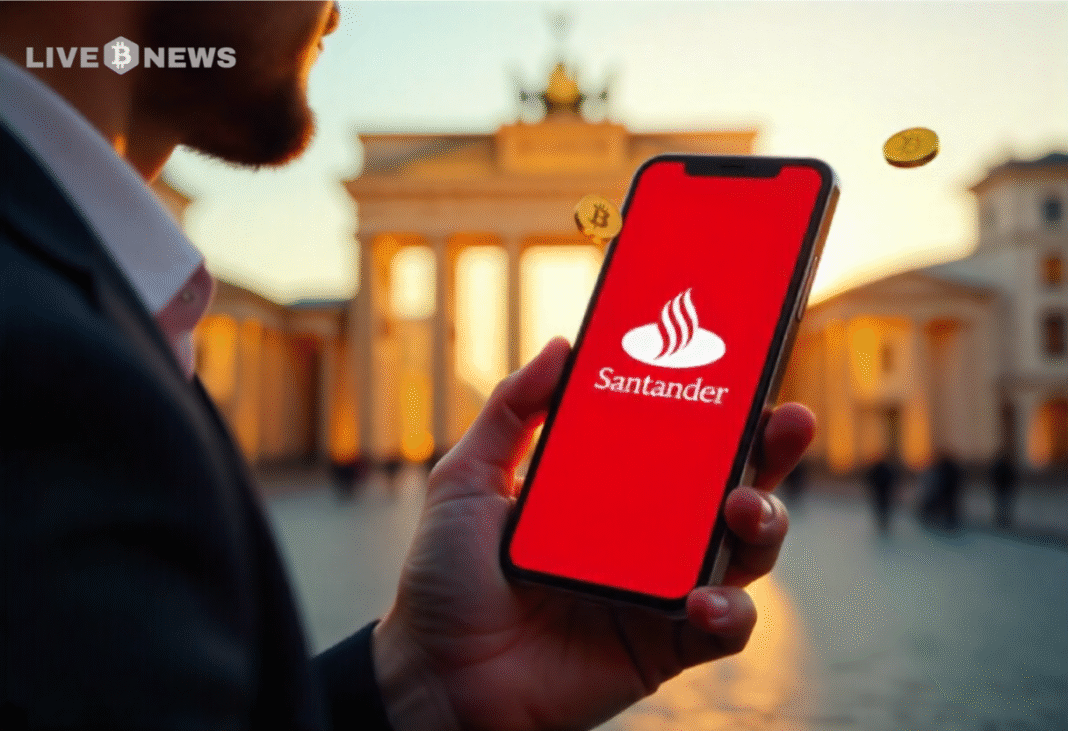
Santander’s Openbank Sparks Crypto Frenzy in Germany

Santander’s Openbank Sparks Crypto Frenzy in Germany

 In Germany, the digital bank Santander Openbank introduces trading in crypto, which offers BTC, ETH, LTC, POL, and ADA in the MiCA framework of the EU. Santander, the largest bank in Spain, has officially introduced cryptocurrency trading to its clients in Germany, using its digital division, Openbank.  With this new service, users can purchase, sell, […] The post Santander’s Openbank Sparks Crypto Frenzy in Germany appeared first on Live Bitcoin News.
Share
LiveBitcoinNews2025/09/18 04:30
The GENIUS Act Is Already Law. Banks Shouldn’t Try to Rewrite It Now

The GENIUS Act Is Already Law. Banks Shouldn’t Try to Rewrite It Now

The post The GENIUS Act Is Already Law. Banks Shouldn’t Try to Rewrite It Now appeared on BitcoinEthereumNews.com. Healthy competition drives innovation and better products for consumers; it is at the center of American economic leadership. Unfortunately, now that the bipartisan GENIUS Act has been signed into law, major legacy financial institutions seem to be having second thoughts about the innovations that stablecoins can bring to financial markets. Bank lobbying groups and public affairs teams have been peppering Congress with complaints about the law, urging members to reopen debate and introduce changes to the legislation that will ensure the stablecoin market doesn’t grow too quickly, protecting banks’ profits and stifling consumer choice. This reactionary response is both overblown and unnecessary. What legacy financial firms should do instead is embrace competition and offer exciting new products and services that consumers want, not try to kneecap emerging players through anti-innovation rules and regulations. The GENIUS Act was carefully designed with a thorough bipartisan process to strengthen consumer safeguards, ensure regulatory oversight, and preserve financial stability. Efforts to roll back its provisions are less about protecting families and more about protecting entrenched banking interests from the competition that helps ensure the U.S. banking system stays the strongest and most innovative in the world. Critics warn that allowing stablecoins to provide rewards could lead to massive deposit outflows from community banks, with figures as high as $6.6 trillion cited. But closer examination shows this fear is unfounded. A July 2025 analysis by consulting firm Charles River Associates found no statistically significant relationship between stablecoin adoption and community bank deposit outflows. In fact, the overwhelming majority of stablecoin reserves remain in the traditional financial system — either in commercial bank accounts or in short-term Treasuries — where they continue to support liquidity and credit in the broader U.S. economy. The dire estimates rely on unrealistic assumptions that every dollar of stablecoin issuance permanently…
Share
BitcoinEthereumNews2025/09/18 09:39
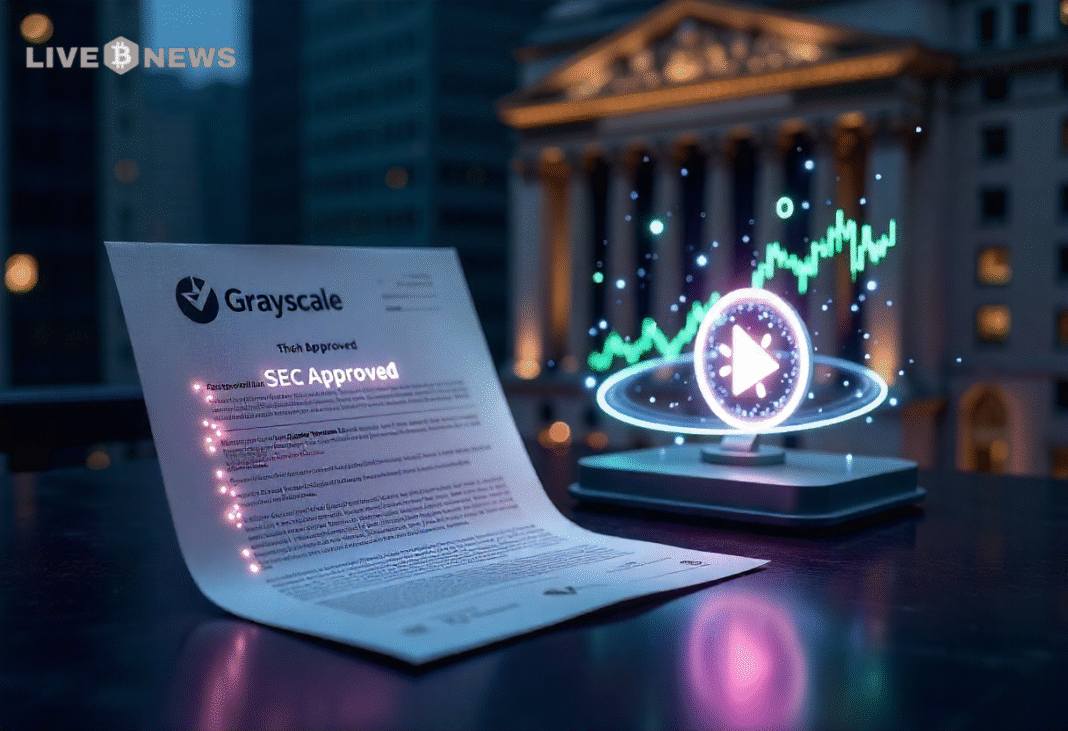
Grayscale’s GDLC Fund, Holding SOL and ADA, Receives SEC Approval for NYSE Listing

Grayscale’s GDLC Fund, Holding SOL and ADA, Receives SEC Approval for NYSE Listing

Grayscale’s GDLC Fund, holding BTC, ETH, XRP, SOL, and ADA, receives SEC approval to list on NYSE Arca, offering crypto exposure.   Grayscale’s Digital Large Cap Fund (GDLC) holds major cryptocurrencies like Bitcoin, Ethereum, XRP, Solana, and Cardano. The U.S. SEC has approved GDLC to list on NYSE Arca. This gives investors regulated access to […] The post Grayscale’s GDLC Fund, Holding SOL and ADA, Receives SEC Approval for NYSE Listing appeared first on Live Bitcoin News.
Share
LiveBitcoinNews2025/09/18 19:30