

JPMorgan Chase reiterates: It expects the stablecoin market size to fall short of $1 trillion by 2028.
PANews reported on December 19th, citing The Block, that JPMorgan analysts reiterated their prediction that the stablecoin market will not reach a trillion-dollar level in the coming years, and its growth will likely be in line with, rather than significantly exceeding, the broader cryptocurrency market. Their report noted that the stablecoin market has expanded by approximately $100 billion this year, surpassing the $300 billion mark, with growth primarily concentrated in the two major stablecoins. This confirms their long-held view that stablecoin growth remains primarily driven by activity within the crypto ecosystem. This year alone, driven by a surge in perpetual futures trading, stablecoin holdings on derivatives exchanges increased by approximately $20 billion, an activity that remains the main driver of stablecoin supply growth. Therefore, in the coming years, the stablecoin market size is likely to continue growing in tandem with the overall cryptocurrency market capitalization, potentially reaching $500 billion to $600 billion by 2028, significantly lower than the most optimistic forecast of $2 trillion to $4 trillion.
While the applications of stablecoins in payments are expanding, this doesn't necessarily mean a significant increase in their market capitalization. As stablecoins become more deeply integrated into payment systems, their velocity of circulation will be more important than their absolute stock. With the increasing adoption of stablecoins, banks are increasingly exploring tokenized deposits. Tokenized deposits aim to mitigate the risks associated with stablecoins. Furthermore, regional CBDC projects, as another competing force, may reduce reliance on privately issued stablecoins, particularly in institutional and cross-border applications.
You May Also Like

Trading time: Tonight, the US GDP and the upcoming non-farm data will become the market focus. Institutions are bullish on BTC to $120,000 in the second quarter.

XRP Gains Momentum as Gemini Brings RLUSD to the Ledger for Instant, Low-Cost Settlements ⋆ ZyCrypto
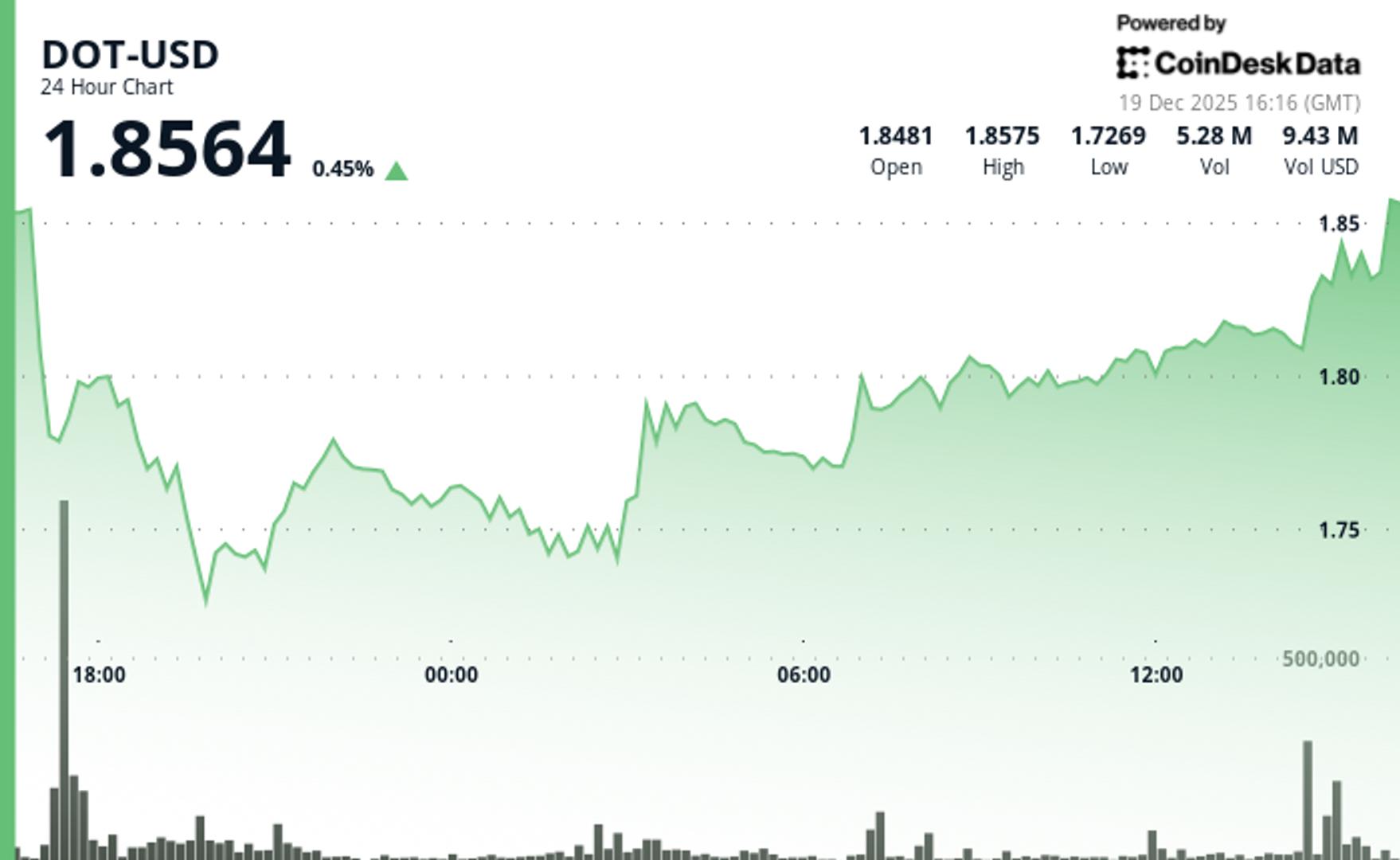
Polkadot's DOT holds steady with token unchanged over 24 hours
Copy linkX (Twitter)LinkedInFacebookEmail