Mt. Gox Hacker’s $114 Million Bitcoin Move Sparks Market Jitters and Unanswered Questions
BitcoinWorld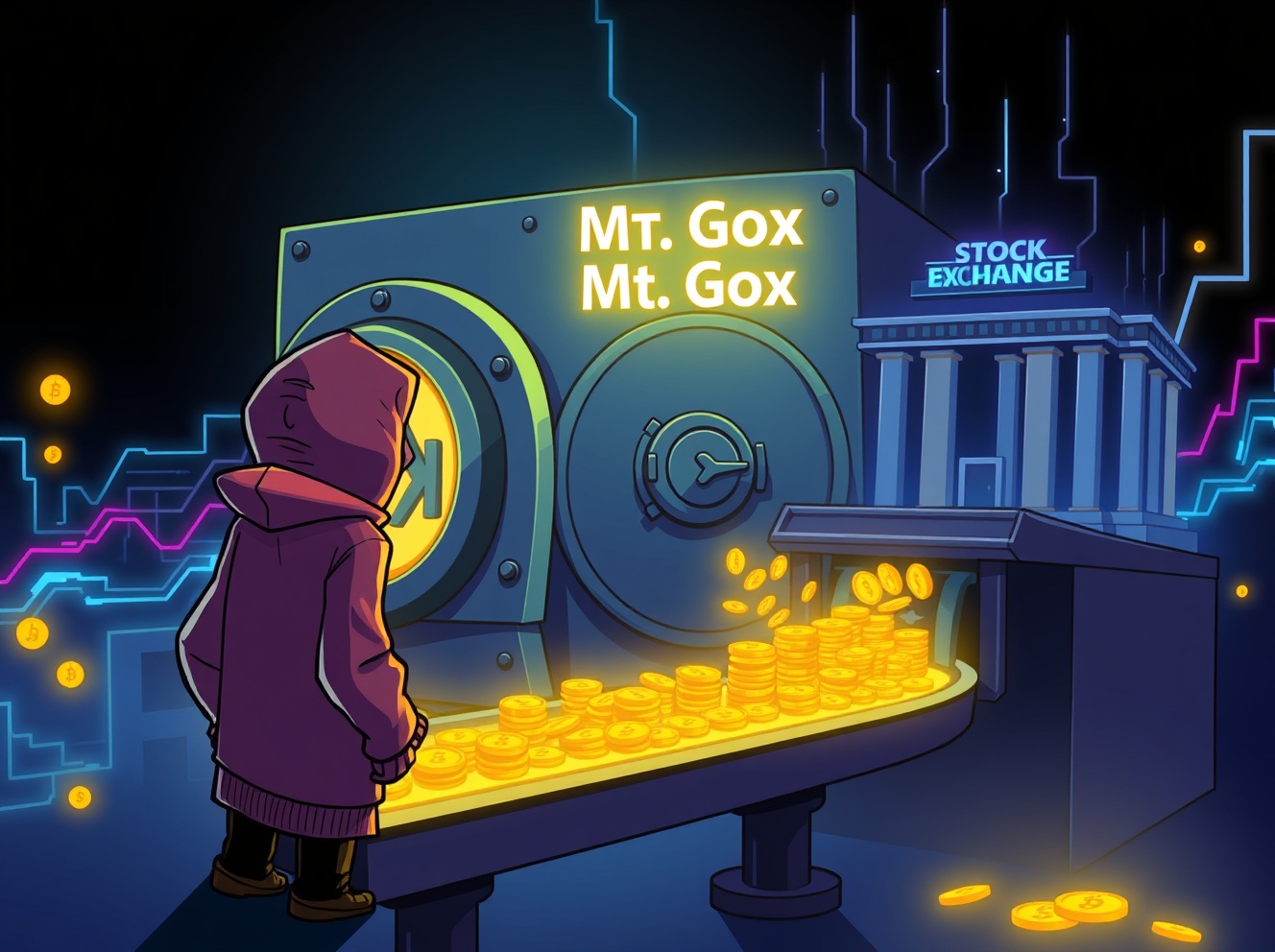
Mt. Gox Hacker’s $114 Million Bitcoin Move Sparks Market Jitters and Unanswered Questions
A chilling development has rocked the cryptocurrency world. On-chain data reveals a massive transfer of Bitcoin, worth a staggering $114 million, from an address linked to the infamous Mt. Gox hacker. This move, tracked by analysts over the past week, raises urgent questions about market stability, the elusive perpetrator, and the long shadow of one of crypto’s greatest heists.
Who is the Mt. Gox Hacker and What Just Happened?
According to prominent on-chain analyst Emmett Gallic, an address associated with Aleksey Bilyuchenko—the indicted Mt. Gox hacker—has deposited 1,300 BTC to an unknown exchange. Bilyuchenko was formally charged in June 2023 for his alleged role in the catastrophic 2014 exchange collapse, yet he remains at large. This recent activity suggests the accused individual or entity is actively liquidating assets.
The scale is immense. The analyst notes the address still holds 4,100 BTC (roughly $360 million) and has sold a total of 2,300 BTC to date. This isn’t a one-off event but part of an ongoing process that could exert significant selling pressure on the Bitcoin market.
Why is This $114 Million Bitcoin Deposit So Alarming?
This transaction is more than just a large transfer; it’s a direct link to an unresolved chapter of crypto history that cost investors billions. The movement of such a vast sum from a Mt. Gox hacker-linked wallet triggers several immediate concerns:
- Market Pressure: The sudden injection of 1,300 BTC into an exchange’s order books can create downward price pressure, affecting all holders.
- Investor Anxiety: It serves as a stark reminder of the ecosystem’s vulnerabilities and the real-world consequences of security failures.
- Legal Limbo: The fact that Bilyuchenko is indicted but not arrested highlights the complex challenges of cross-border crypto crime enforcement.
What Does On-Chain Analysis Tell Us About the Hacker’s Strategy?
Blockchain analysis provides a transparent, if anonymous, ledger. By tracking these wallets, analysts like Gallic can piece together a narrative. The steady selling—2,300 BTC sold in total—indicates a methodical, rather than panicked, liquidation strategy. However, key questions remain unanswered:
- Which exchange received the $114 million in BTC?
- Is this an attempt to cash out, or to obfuscate the funds further through mixing services?
- What does this mean for the ongoing Mt. Gox creditor repayment process?
This activity proves that the fallout from the Mt. Gox hack is not a closed case but an ongoing event with real-time market impacts.
How Should the Crypto Community and Investors Respond?
For traders and long-term holders alike, this news underscores critical lessons. First, the blockchain’s transparency is a powerful tool for monitoring whale movements and potential market risks. Second, the saga of the Mt. Gox hacker reinforces the non-negotiable importance of self-custody and robust security practices for storing digital assets.
While exchanges have improved security dramatically since 2014, the principle of “not your keys, not your coins” remains paramount. This event is a sobering case study in the enduring impact of a single security breach.
Conclusion: A Shadow from the Past Looms Over the Present
The deposit of $114 million in BTC from a Mt. Gox hacker-linked address is a stark reminder that cryptocurrency’s history is always present. It intertwines unresolved justice, market mechanics, and the relentless transparency of the blockchain. While the immediate market effect may be absorbed, the psychological impact—the reminder of lost funds and elusive perpetrators—lingers. The community must watch the chain, prioritize security, and continue advocating for the regulatory frameworks that can bring such actors to justice.
Frequently Asked Questions (FAQs)
Q1: Who is Aleksey Bilyuchenko?
A: Aleksey Bilyuchenko is the individual indicted by U.S. authorities in June 2023 for allegedly orchestrating the hack of the Mt. Gox cryptocurrency exchange in 2014. He has not been arrested.
Q2: How do analysts know the address is linked to the Mt. Gox hacker?
A: On-chain analysts use clustering techniques, tracing the flow of funds from known Mt. Gox-related wallets, and correlating transaction patterns with intelligence from legal indictments to identify associated addresses.
Q3: Could this $114 million deposit crash the Bitcoin price?
A> While 1,300 BTC is a significant sum, the daily trading volume of Bitcoin is in the billions. It may cause localized selling pressure or short-term volatility, but a single crash is unlikely.
Q4: What happened to the rest of the stolen Mt. Gox Bitcoin?
A: The total hack involved approximately 850,000 BTC. A large portion was reportedly recovered by the exchange’s trustee. The whereabouts of the remainder, including funds linked to hackers, is a subject of ongoing investigation and analysis.
Q5: What is the status of repayments to Mt. Gox creditors?
A: The civil rehabilitation process is ongoing, with creditors beginning to receive repayments in Bitcoin and Bitcoin Cash in recent years. This criminal case involving the hacker is separate from the civil repayment process.
Q6: Does this affect the security of modern crypto exchanges?
A> The Mt. Gox hack was a watershed moment that led to vastly improved security standards across the industry, including cold storage, multi-sig wallets, and regular audits. However, the incident remains a foundational lesson in risk management.
Share This Insight: Did this analysis help you understand the market implications of this major move? Help others stay informed by sharing this article on your social media channels. The more the community understands on-chain activity and historical context, the smarter and more resilient it becomes.
To learn more about the latest Bitcoin trends, explore our article on key developments shaping Bitcoin price action and institutional adoption.
This post Mt. Gox Hacker’s $114 Million Bitcoin Move Sparks Market Jitters and Unanswered Questions first appeared on BitcoinWorld.
You May Also Like

Husky Inu (HINU) Completes Move To $0.00020688

Mind Reading: Tay And Taylor Lautner Are Growing Their Mental Health Platform