Bolt announced that it has completed over 400 million trips in South Africa since its launch in 2016,…Bolt announced that it has completed over 400 million trips in South Africa since its launch in 2016,…

Bolt celebrates over 400 million trips in South Africa since launching in 2016

Bolt announced that it has completed over 400 million trips in South Africa since its launch in 2016, establishing one of the continent’s largest user bases. The company shared this milestone while highlighting a notable increase in activity on its platform nationwide.

Senior Operations Manager Simo Kalajdzic noted that Bolt serves approximately 1.4 million passengers each month, supported by over 40,000 active drivers. The platform operates across all nine provinces and in 23 cities, highlighting the significant expansion it has achieved since entering the market.

The figures were released as Bolt adjusted to new e-hailing regulations implemented by the National Department of Transport. These regulations include platform licensing fees, driver licensing requirements, and the addition of physical panic buttons in e-hailing vehicles.

Bolt suspended in Tunisia over alleged money laundering and tax evasion

Adjusting to new sector rules

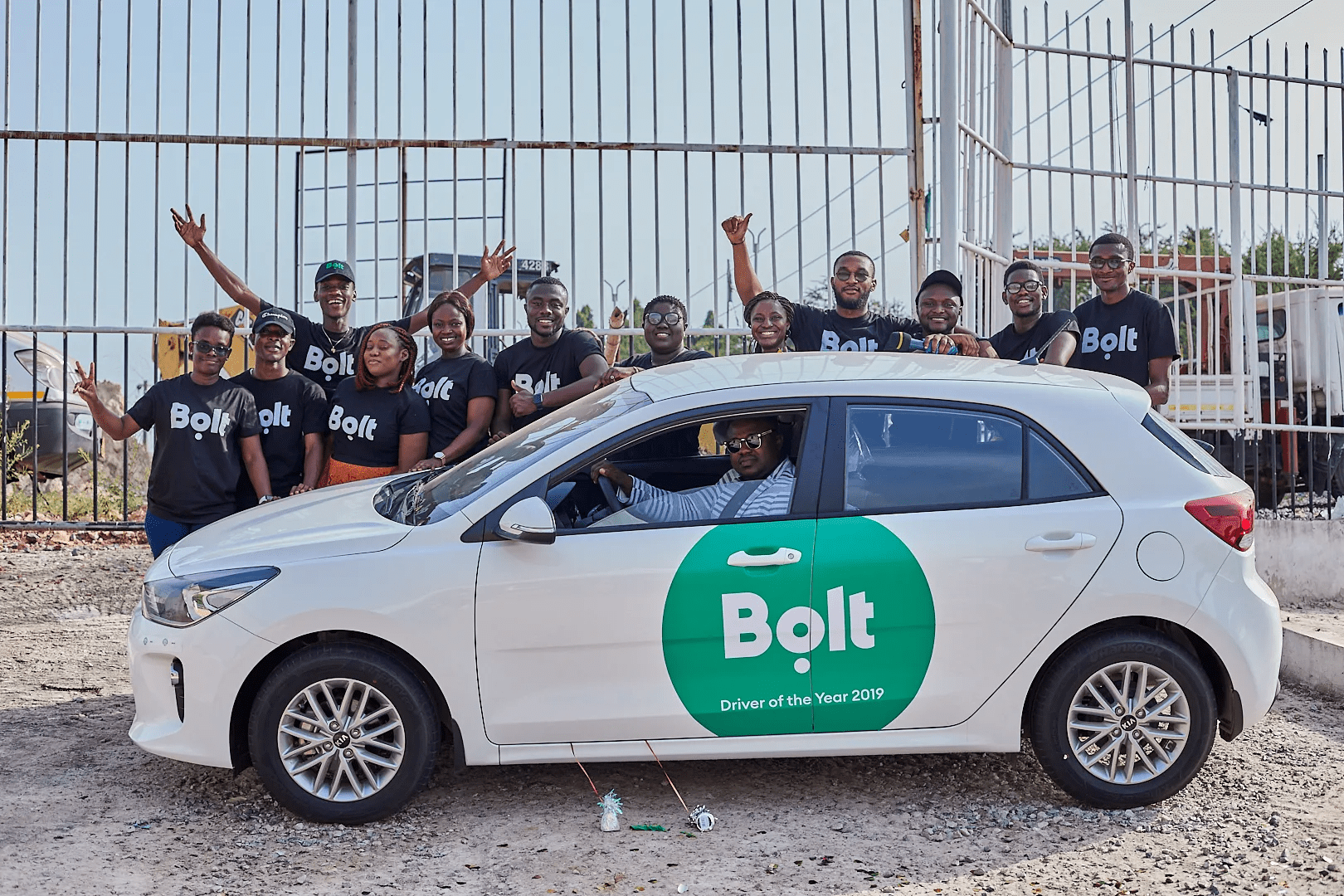
The company must pay a R5,000 licensing fee every seven years to operate its platform legally. Drivers also need to pay around R1,000 each for their own operating licenses. Bolt is seeking ways to reduce drivers’ costs and plans to assist them by offering free vehicle branding to those who choose to participate.

The new rules require e-hailing vehicles to be easily recognisable, but they don’t have to display the company’s name. Drivers can use their own branding, as long as the vehicles meet the new identification guidelines.
Bolt Nigeria to suspend drivers who solicit offline trips as it introduces offline trip cancellation for riders

Also read: 50% fare hike: Bolt Kenya says focus is on balancing driver earnings with affordability

Another part of the regulation requires all vehicles to have physical panic buttons installed. Bolt is working with a private armed response company to figure out how to add this feature to thousands of vehicles. The goal of the panic button is to improve safety for both riders and drivers as part of the broader regulatory changes.

Effect on drivers, compliance pressure, and the broader market

Bolt also announced that it is conducting workshops with the Department of Transport to help drivers navigate the new processes and receive support during the transition. The company emphasised that many drivers are still adapting to these changes, particularly regarding licensing costs and the new branding requirements.

The push for compliance in the e-hailing industry is driven by increasing pressure to enhance safety measures and improve driver identification. Bolt believes that implementing clearer vehicle markings and introducing panic buttons will significantly contribute to this shift as the rollout continues.

South African Bolt Driver

With over 400 million completed trips and millions of monthly users, Bolt’s next phase in South Africa will depend on how quickly drivers adapt to the new regulations and how quickly the company meets the compliance deadlines across all its operational cities.

Disclaimer: The articles reposted on this site are sourced from public platforms and are provided for informational purposes only. They do not necessarily reflect the views of MEXC. All rights remain with the original authors. If you believe any content infringes on third-party rights, please contact service@support.mexc.com for removal. MEXC makes no guarantees regarding the accuracy, completeness, or timeliness of the content and is not responsible for any actions taken based on the information provided. The content does not constitute financial, legal, or other professional advice, nor should it be considered a recommendation or endorsement by MEXC.

You May Also Like

Ethereum unveils roadmap focusing on scaling, interoperability, and security at Japan Dev Conference

Ethereum unveils roadmap focusing on scaling, interoperability, and security at Japan Dev Conference

The post Ethereum unveils roadmap focusing on scaling, interoperability, and security at Japan Dev Conference appeared on BitcoinEthereumNews.com. Key Takeaways Ethereum’s new roadmap was presented by Vitalik Buterin at the Japan Dev Conference. Short-term priorities include Layer 1 scaling and raising gas limits to enhance transaction throughput. Vitalik Buterin presented Ethereum’s development roadmap at the Japan Dev Conference today, outlining the blockchain platform’s priorities across multiple timeframes. The short-term goals focus on scaling solutions and increasing Layer 1 gas limits to improve transaction capacity. Mid-term objectives target enhanced cross-Layer 2 interoperability and faster network responsiveness to create a more seamless user experience across different scaling solutions. The long-term vision emphasizes building a secure, simple, quantum-resistant, and formally verified minimalist Ethereum network. This approach aims to future-proof the platform against emerging technological threats while maintaining its core functionality. The roadmap presentation comes as Ethereum continues to compete with other blockchain platforms for market share in the smart contract and decentralized application space. Source: https://cryptobriefing.com/ethereum-roadmap-scaling-interoperability-security-japan/
Share
BitcoinEthereumNews2025/09/18 00:25
Offchain Labs Purchases Additional ARB Tokens as Arbitrum Surpasses $20 Billion TVL

Offchain Labs Purchases Additional ARB Tokens as Arbitrum Surpasses $20 Billion TVL

Offchain Labs, the development company behind the Arbitrum Layer 2 scaling solution, has purchased additional ARB tokens under a previously approved token buyback plan, coinciding with Arbitrum surpassing $20 billion in total value locked (TVL) and reinforcing the company's commitment to ecosystem growth as competition intensifies among Ethereum Layer 2 networks for market share, developer activity, and liquidity.
Share
MEXC NEWS2025/12/25 14:21
Ondo Finance to Launch Tokenized US Stocks and ETFs on Solana in Early 2026

Ondo Finance to Launch Tokenized US Stocks and ETFs on Solana in Early 2026

Ondo Finance plans to launch tokenized U.S. stocks and exchange-traded funds on the Solana blockchain in early 2026, marking a significant expansion of the company's real-world asset (RWA) tokenization platform beyond its current focus on Treasury bonds and money market funds into equity markets with custody-backed structures enabling round-the-clock on-chain transfers and trading.
Share
MEXC NEWS2025/12/25 14:19