The post How Build-A-Bear went from a penny stock to a retail winner appeared on BitcoinEthereumNews.com. Build-A-Bear Workshop wasn’t always a retail winner. TheThe post How Build-A-Bear went from a penny stock to a retail winner appeared on BitcoinEthereumNews.com. Build-A-Bear Workshop wasn’t always a retail winner. The

How Build-A-Bear went from a penny stock to a retail winner

Build-A-Bear Workshop wasn’t always a retail winner.

The toy store, known for its interactive experience of building and accessorizing stuffed animals, has gone through a significant turnaround since CEO Sharon Price John took the helm of the company over a decade ago.

“When I first came in 2013, that assessment of the brand was strong,” she told CNBC. “We don’t have a broken brand, we have a broken business, and when you started doing interviews, you really understood how much this brand meant to people.”

The company found initial success in malls in the early 2000s, but Build-A-Bear’s stock plunged after the 2008 financial crisis, with the company reporting a $49 million loss in fiscal 2012.

Under Price John, the company began investing in e-commerce, shifting orders to stores instead of its distribution center and diversifying its sales beyond just malls to turn around the company.

“Our goal overall was to create sustained, profitable growth, but the profitable was first,” Price John said.

That strategy worked. Virtually all of Build-A-Bear’s stores are now profitable, and the stock experienced an Nvidia-like run earlier this year, hitting an all-time high of about $76 in September. The stock has come down some since then, but it’s still up more than 125% over the past two years.

But tariffs have taken a hit to the business. Build-A-Bear imports over 90% of its products from China and Vietnam, and the company said in its third-quarter earnings report in early December that it expects to take a roughly $11 million hit from tariffs for fiscal 2025.

Company executives also said on a call with analysts that the company experienced a slowdown in traffic in October during the government shutdown.

Small Cap Consumer Research analyst Eric Beder wrote in a note this month that the firm was lowering projections and reducing its price target by $10 due to the company reporting lighter-than-expected revenue and the “implied deep tariff impacts.”

Still, the company is outperforming most of its retail competitors, expecting to reach $500 million in annual revenue for the first time.

“You can buy stuffed animals or a plush pretty much everywhere, right from Target to FAO Schwarz and every place in between,” Beder told CNBC. “The difference is that at Build-A-Bear, it’s yours. You helped make it.”

Watch the video to learn more about how Build-A-Bear has made its comeback.

Source: https://www.cnbc.com/2025/12/20/build-a-bear-workshop-bbw.html
Market Opportunity
Threshold Logo
Threshold Price(T)
$0.009273
$0.009273$0.009273
+0.76%
USD
Threshold (T) Live Price Chart
Disclaimer: The articles reposted on this site are sourced from public platforms and are provided for informational purposes only. They do not necessarily reflect the views of MEXC. All rights remain with the original authors. If you believe any content infringes on third-party rights, please contact service@support.mexc.com for removal. MEXC makes no guarantees regarding the accuracy, completeness, or timeliness of the content and is not responsible for any actions taken based on the information provided. The content does not constitute financial, legal, or other professional advice, nor should it be considered a recommendation or endorsement by MEXC.

You May Also Like

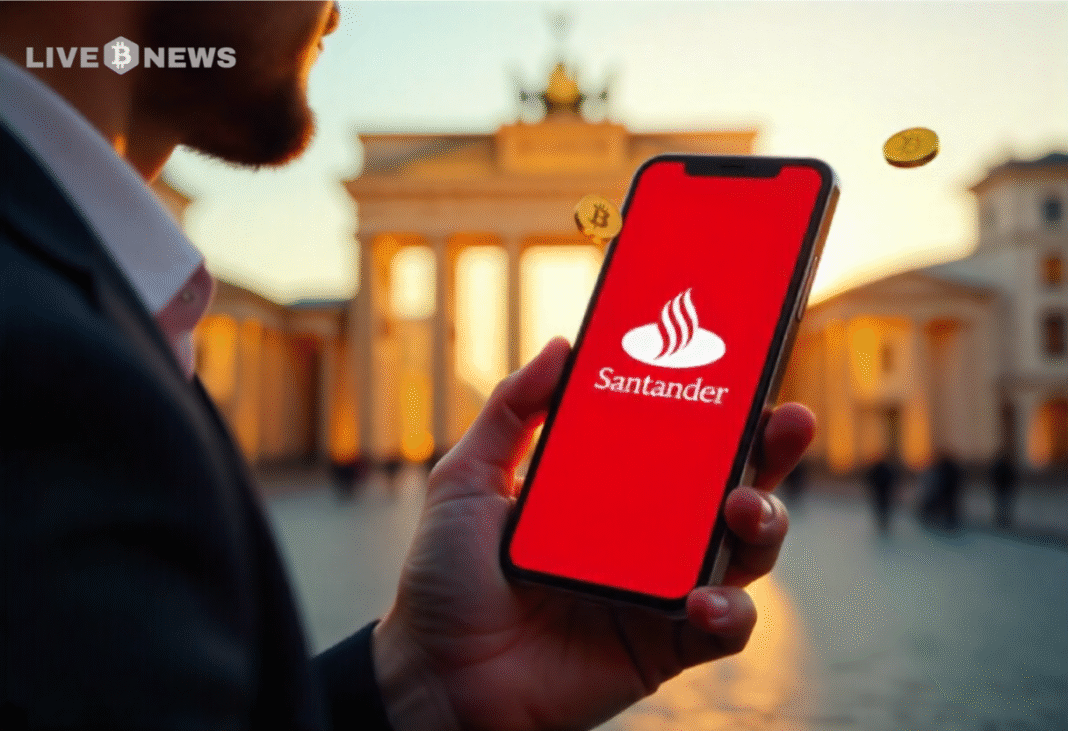
Santander’s Openbank Sparks Crypto Frenzy in Germany

Santander’s Openbank Sparks Crypto Frenzy in Germany

 In Germany, the digital bank Santander Openbank introduces trading in crypto, which offers BTC, ETH, LTC, POL, and ADA in the MiCA framework of the EU. Santander, the largest bank in Spain, has officially introduced cryptocurrency trading to its clients in Germany, using its digital division, Openbank.  With this new service, users can purchase, sell, […] The post Santander’s Openbank Sparks Crypto Frenzy in Germany appeared first on Live Bitcoin News.
Share
LiveBitcoinNews2025/09/18 04:30
The GENIUS Act Is Already Law. Banks Shouldn’t Try to Rewrite It Now

The GENIUS Act Is Already Law. Banks Shouldn’t Try to Rewrite It Now

The post The GENIUS Act Is Already Law. Banks Shouldn’t Try to Rewrite It Now appeared on BitcoinEthereumNews.com. Healthy competition drives innovation and better products for consumers; it is at the center of American economic leadership. Unfortunately, now that the bipartisan GENIUS Act has been signed into law, major legacy financial institutions seem to be having second thoughts about the innovations that stablecoins can bring to financial markets. Bank lobbying groups and public affairs teams have been peppering Congress with complaints about the law, urging members to reopen debate and introduce changes to the legislation that will ensure the stablecoin market doesn’t grow too quickly, protecting banks’ profits and stifling consumer choice. This reactionary response is both overblown and unnecessary. What legacy financial firms should do instead is embrace competition and offer exciting new products and services that consumers want, not try to kneecap emerging players through anti-innovation rules and regulations. The GENIUS Act was carefully designed with a thorough bipartisan process to strengthen consumer safeguards, ensure regulatory oversight, and preserve financial stability. Efforts to roll back its provisions are less about protecting families and more about protecting entrenched banking interests from the competition that helps ensure the U.S. banking system stays the strongest and most innovative in the world. Critics warn that allowing stablecoins to provide rewards could lead to massive deposit outflows from community banks, with figures as high as $6.6 trillion cited. But closer examination shows this fear is unfounded. A July 2025 analysis by consulting firm Charles River Associates found no statistically significant relationship between stablecoin adoption and community bank deposit outflows. In fact, the overwhelming majority of stablecoin reserves remain in the traditional financial system — either in commercial bank accounts or in short-term Treasuries — where they continue to support liquidity and credit in the broader U.S. economy. The dire estimates rely on unrealistic assumptions that every dollar of stablecoin issuance permanently…
Share
BitcoinEthereumNews2025/09/18 09:39
Grayscale’s GDLC Fund, Holding SOL and ADA, Receives SEC Approval for NYSE Listing

Grayscale’s GDLC Fund, Holding SOL and ADA, Receives SEC Approval for NYSE Listing

Grayscale’s GDLC Fund, holding BTC, ETH, XRP, SOL, and ADA, receives SEC approval to list on NYSE Arca, offering crypto exposure.   Grayscale’s Digital Large Cap Fund (GDLC) holds major cryptocurrencies like Bitcoin, Ethereum, XRP, Solana, and Cardano. The U.S. SEC has approved GDLC to list on NYSE Arca. This gives investors regulated access to […] The post Grayscale’s GDLC Fund, Holding SOL and ADA, Receives SEC Approval for NYSE Listing appeared first on Live Bitcoin News.
Share
LiveBitcoinNews2025/09/18 19:30